
How to Organize an Employee Headshot Day: A Checklist for the Office Manager
Organizing an employee headshot day: room, space, schedule and dress-code notice before, the day itself and what comes after. Without stopping work.
Organizing an employee headshot day breaks into three stages: before, when you set the room, the space and the schedule and tell employees what to wear; the day itself, when each employee comes in for a few minutes and someone from the company accompanies the round; and after, when pictures are selected and delivered edited. Whoever prepares those three stages in advance gets a day that passes without stopping work.
This article is for whoever actually books: the office manager, the HR person, the marketing person. Not for the people being photographed. Each employee's personal preparation, clothes, sleep, what to bring, is written in the guide to how to prepare for a headshot session, and you can simply send it to employees. What a concentrated photo day looks like from my side is in corporate team headshot day. Here, only the organizing side.
Before the photo day
Room and space
You need a free space the size of a standard meeting room, roughly 3 by 3 meters. A meeting room is the usual solution: it has a door, it is quiet, and it can be blocked in the calendar for the whole day. A quiet corner in an open space works too, provided traffic behind the camera can be prevented.
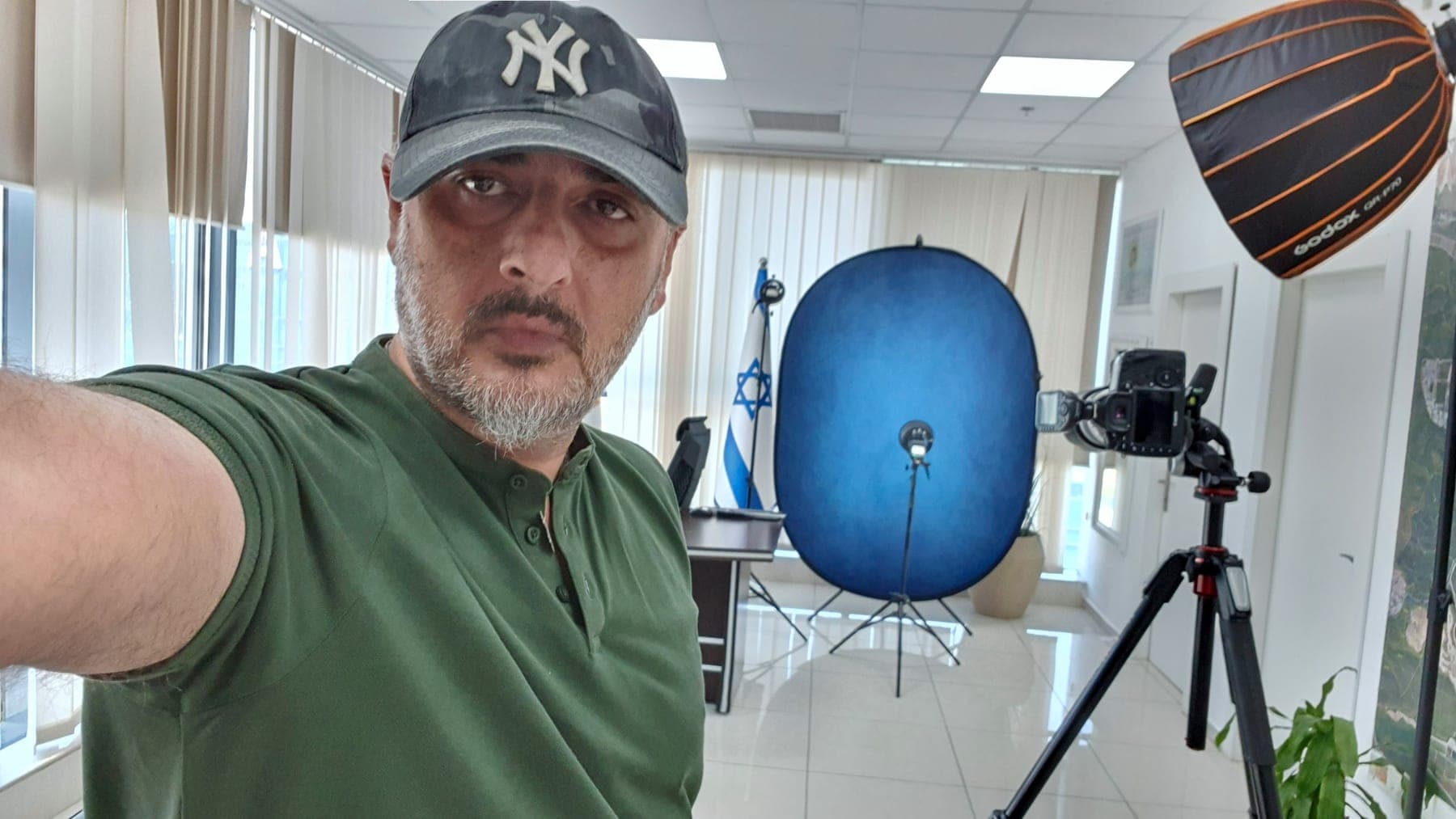
What is not needed: a window, a particular wall or special lighting. The backdrop and the lighting come with the mobile studio, and the room can be the most ordinary there is. One power socket nearby is enough.
Schedule
The pace is about ten participants per hour and a half. From that you build: a team of 20 is done before the lunch break, 40 to 45 people fill a whole day. The setup takes 20 to 30 minutes and starts before the first employee.
The simple way: a list of everyone being photographed with a time for each, at short intervals, arranged by department so that no department disappears all at once. Whoever is busy in the morning gets an afternoon slot. Senior managers whose time is tight come in when it suits them, without queuing. It is worth leaving a few empty slots before the end, for latecomers and changes.
Notice to employees
The notice goes out about two weeks before, so people have time to choose clothes and get a haircut. What it includes:
- The date, the room and each person's own time.
- How long it takes: a few minutes in front of the camera.
- What to wear: solid, uniform colours, no large prints, fine stripes or logos. The level of formality as agreed in the scoping call, so everyone is on the same line.
- What to bring: one alternative garment is fine. No special makeup needed.
- A link to the personal preparation guide.
One clear notice saves dozens of questions on the day itself, and above all prevents the situation in which half the team arrived in t-shirts and half in suits.
The scoping call
Before the day there is a short conversation between me and the organizer: what the pictures are for, which backdrop suits the branding, grey, black, light or dark, what the dress code is, and what the running order is. At the end of the call we both know exactly how the day will look.
On the day
The setup
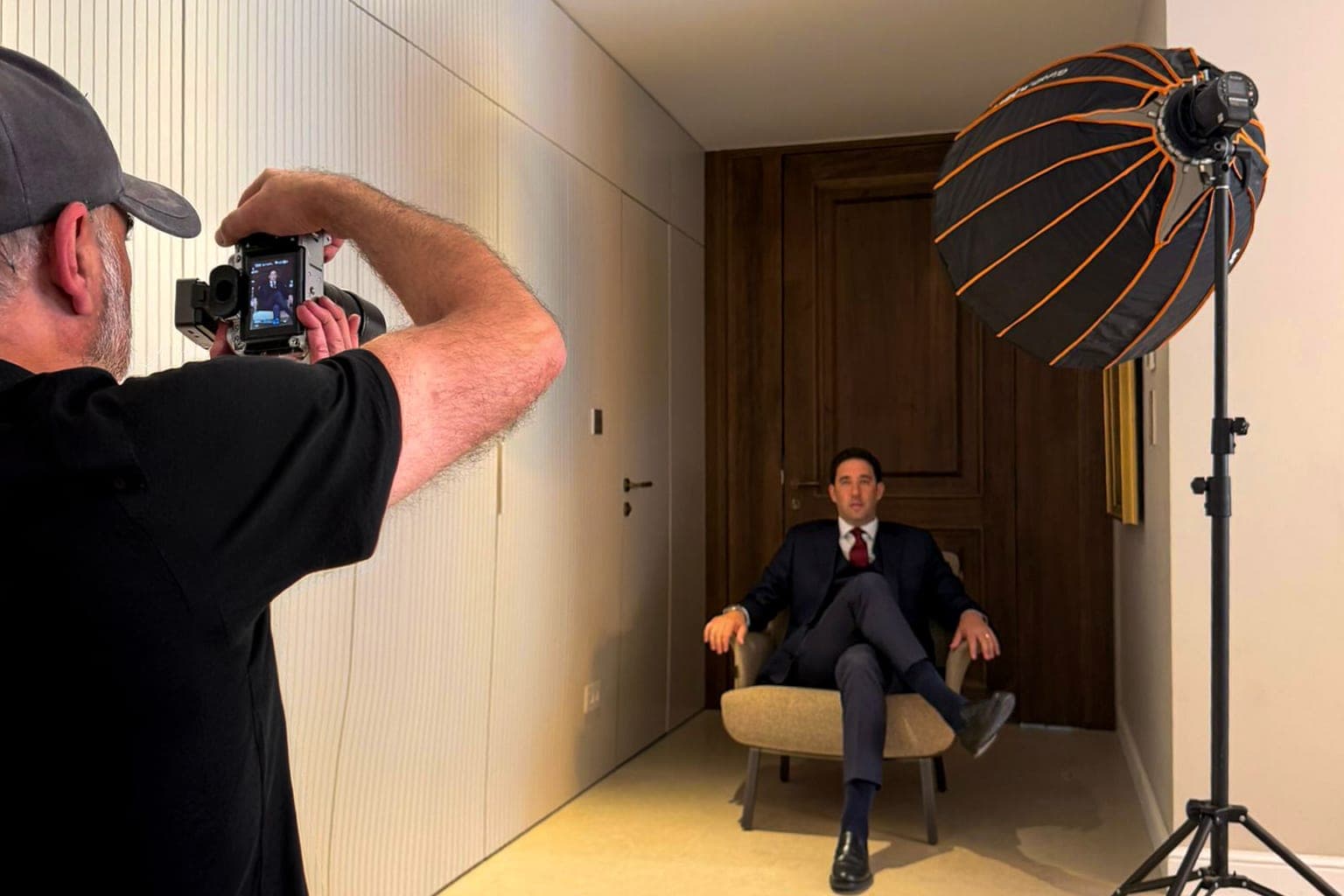
I arrive 20 to 30 minutes before the first employee, set up the studio in the agreed room and calibrate the light. From the moment the light is calibrated it does not move all day, and that is what guarantees that the first employee's picture and the last one's look the same.
The round
Each employee comes in, gets short direction, pose, head angle, expression, and is photographed. A few minutes, and back to the desk. Nobody needs to know how to be photographed, and that is exactly what I tell whoever walks in saying "I don't photograph well".
Who accompanies
One person from the company accompanies the day, and not as a full-time role: they call in the next in line when the previous one leaves, swap people when someone is stuck in a meeting, and decide who takes a slot that opened up. That is what keeps the pace and prevents a queue in the corridor.
What not to worry about
The light, the backdrop, the consistency, the people who dislike being photographed. All of that is with me.
After the photo day
Selecting pictures
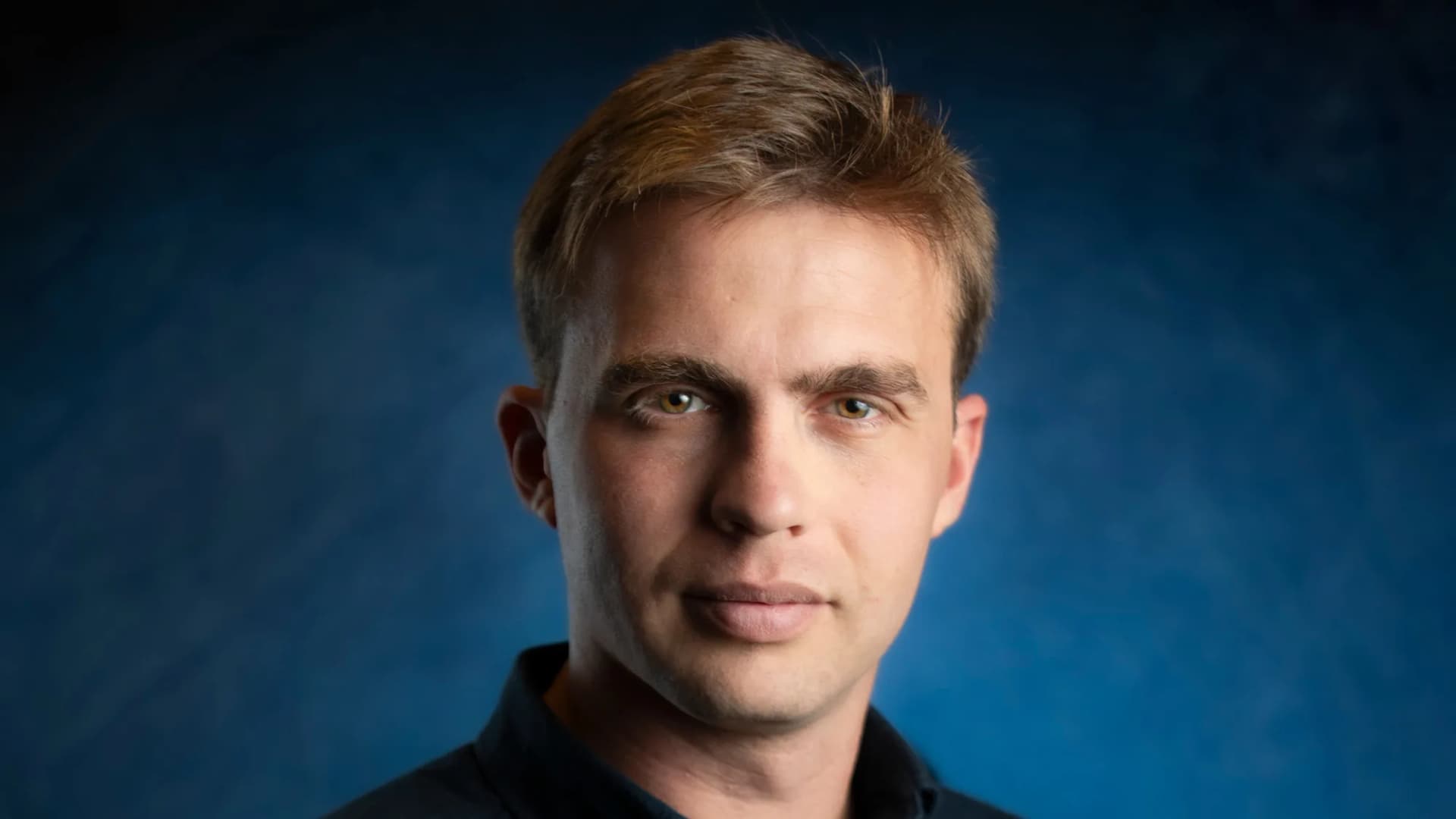
All the raw files from the day are delivered in a digital gallery. You choose each employee's picture, and usually there are several good candidates for each. Who chooses, the employee or the company, is decided in advance, and both models work.
Editing and delivery
The selected pictures are edited and retouched, and delivered in ready-to-use digital formats: for the website, LinkedIn, presentations and the email signature. It is worth keeping an orderly copy of the raw and the edited files at the company, so that a new website format can be re-cropped without shooting again.
Whoever was absent
An employee who was absent, or a new joiner, gets a catch-up session that recreates the same conditions: backdrop, light position, distance and crop. The parameters of every photo day are recorded for that, and the new picture enters the team page with no sign that it was taken on another date. Large companies gather two or three joiners for one catch-up session.
Five mistakes that recur, and how to avoid them
No individual times. "Come whenever it suits you" produces a queue of ten people at ten in the morning and an empty room at two. A list with a time for each solves it.
The dress-code notice did not go out. Half the team in t-shirts and half in suits, and the team page looks like two companies. One sentence on dress code in the notice prevents it.
The room was not blocked. In the middle of the round someone needs the meeting room for a meeting, and the studio has to move. Block it in the calendar for the whole day, including half an hour before and half an hour after.
The managers have no slot. The seniors "will come in when they're free", and then they are not free. They of all people need a fixed, short slot at an hour they choose.
No one accompanies. Without someone calling in the next in line, every changeover takes minutes of waiting, and at the end of the day four people are missing.
The five questions of the scoping call
To keep the conversation with me short, it is worth arriving with answers to five questions: what the pictures are for, website, LinkedIn or both; which backdrop suits the branding, grey, dark or light; what the dress code is, formal or open; how many people are being photographed, including doubtful ones; and who accompanies on the day itself. Whoever answers all five, the scoping is over in five minutes.
How much it costs
The price is per person, not per day: ₪690 per person from five participants and up, decreasing gradually to ₪400 per person from 50 participants and up, VAT included. The full breakdown, what is included and what moves the price, is in the guide to how much a company headshot day costs, and the official price list is on the services page.
The checklist, one line per item
- A room of 3 by 3 meters, blocked in the calendar for the whole day.
- A list of participants with a time for each, by department, with reserve slots.
- A notice to employees two weeks before: date, time, dress, a link to the preparation guide.
- A scoping call: use, backdrop, dress code, running order.
- One person accompanying on the day.
- After: selection, editing, delivery, a backup of the files, a catch-up session for the absent.
To plan an employee photo day: WhatsApp 054-2000-300.

Frequently asked questions
- How much space does a photo day at the office need?
- A free space the size of a standard meeting room, roughly 3 by 3 meters. A meeting room is the usual solution, but a quiet corner in an open space works too if it can be closed to traffic.
- How far in advance should employees be told about the photo day?
- Enough time to choose clothes and get a haircut: about two weeks. The notice should include the date, each person's time, what to wear and what not to, and that the shoot takes a few minutes.
- How many employees can be photographed in one day?
- About ten participants per hour and a half. A team of 20 is done before the lunch break, and a full photo day covers 40 to 45 people.
- Who should accompany the shoot on the company's side?
- One person who knows the schedule and the people: calls in the next in line, resolves last-minute changes and decides who takes the place of someone absent. It is not a full-time role, but it saves the waiting.
- What about an employee who was not there on the photo day?
- A catch-up session that recreates the same conditions: backdrop, light position, distance from the camera and crop. The parameters of the photo day are recorded for exactly that, so the new picture fits into the team page.
- How much does an employee photo day cost?
- The price is per person: ₪690 from five participants and up, decreasing gradually to ₪400 per person from 50 participants and up, VAT included. The full price list is on the services page.
Written by
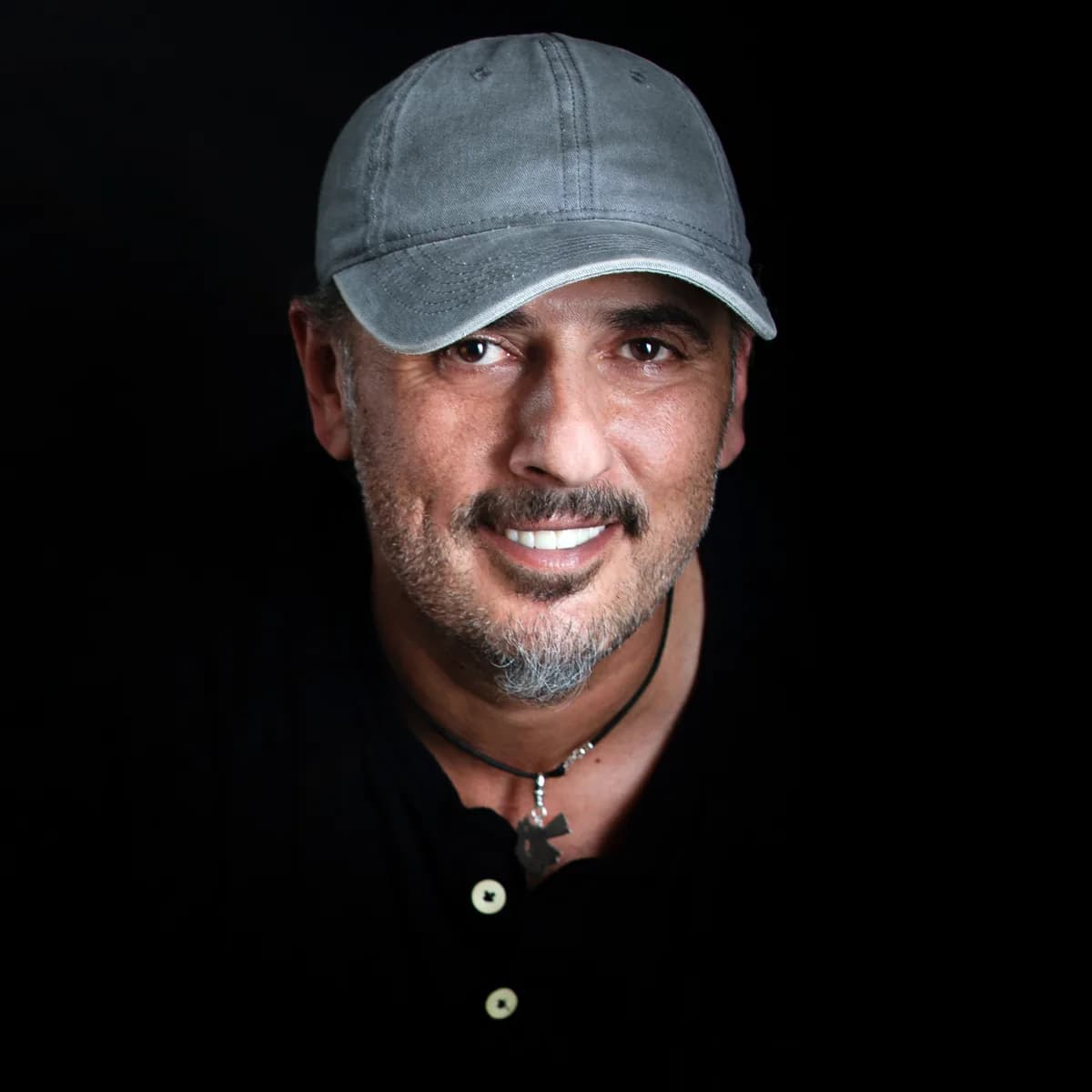
Sharon Gabay
Portrait, headshot & fine-art photographer · author of six photography books
More about Sharon Gabay →Related articles
Ready for a photo that works for you?
Tell me what you need and we'll find the right format together. We can shoot in my professional studio, or I'll come to you with a full mobile studio — anywhere in Israel.