
How to Prepare for a Headshot Session | Sharon Gabay
How to prepare for a headshot session, step by step: what to wear, mental prep, what to bring and what to expect. Walk away with headshots you love.
A photo session is an important investment in your personal brand. Many people feel uneasy in front of the camera, but the right preparation can turn that experience into something enjoyable and empowering. This detailed guide walks you through, step by step, how to prepare for a headshot session. Everything you need to know to arrive at your best and come away with photos you'll be proud to show.
Long before anyone reads your résumé, checks your references, or even clicks "read more" on your profile, they do one thing first: they look you in the eye. Your photo is the opening small talk, the digital handshake. In a crowded virtual space, it's the first opportunity, and sometimes the only one, to create a human connection that comes before any text or any data point.
But how do you make sure that connection lands the way you want? That the message, whether it's authority, approachability, creativity, or trust, comes through exactly as you intended? The answer begins long before the flash fires. It begins with careful preparation that turns the shoot day from a technical process into a strategic exercise in building your brand.
Many people feel nervous or uncomfortable in front of the camera. The good news is that proper preparation can transform that stressful experience into a process that's enjoyable, empowering, and ultimately, genuinely successful. The more prepared, calm, and confident you are on the day, the more your final photos will reflect your professionalism, personality, and authenticity with real precision.
This detailed guide will walk you through, step by step, everything you need to know and do to arrive at your best and come away with photos you'll be proud to display on any platform.
How long does a headshot session actually take?
A "shoot day" sounds like a whole day out of your calendar. In practice, sessions run 30–120 minutes depending on the package. On-site too — only about half an hour of setup and half an hour of teardown are added, and you never leave the office.
The session is short because the preparation is precise: by the discovery call it is already clear what message needs to come through and how the light should be arranged for it. You walk into the shoot with everything already solved — which is exactly what this guide will help you achieve.
Step 1: The Strategic Foundations
Preparation starts long before you stand in front of the camera. The planning stage is critical, and it sets the tone for the entire process.
1. Define your goal and your message:
Before anything else, ask yourself: "What do I actually need these photos for?" The answer to that question will guide every decision you make from here on.
Your audience: Who are you trying to attract? Investors, private clients, recruiters, social media followers? The message changes for different audiences. A photo meant for a lawyer should convey authority and trust, while a photo of a graphic designer can signal creativity and innovation.
Your brand personality: What are the three words you'd want to pop into people's minds when they see your photo? (For example: "approachable, expert, reliable" or "dynamic, creative, bold.") Write those words down and hold onto them. They'll be your compass.
Platforms: Where will the photos be used? A LinkedIn profile calls for a professional, focused look. A website can hold a wider variety of images. A marketing campaign might call for photos with empty space for text.
2. Visual research and building a "mood board":
Open a folder on your computer or start a secret board on Pinterest. Collect 5 to 10 examples of headshots you love. Try to analyze what you liked about each one: the lighting? The composition? The subject's body language? The clothing? That mood board is an excellent visual communication tool that will help you convey your vision to the photographer precisely.
3. Choosing the location:
Your background tells a story. There are two main options, and both keep things clean, focused, and professional:
Studio: Gives you full control over the lighting and creates a classic, polished look. Ideal for headshots, professional network profiles, and a consistent look across an entire company. Clients often mention the breathtaking view from the studio and the warm, homey feeling inside it.
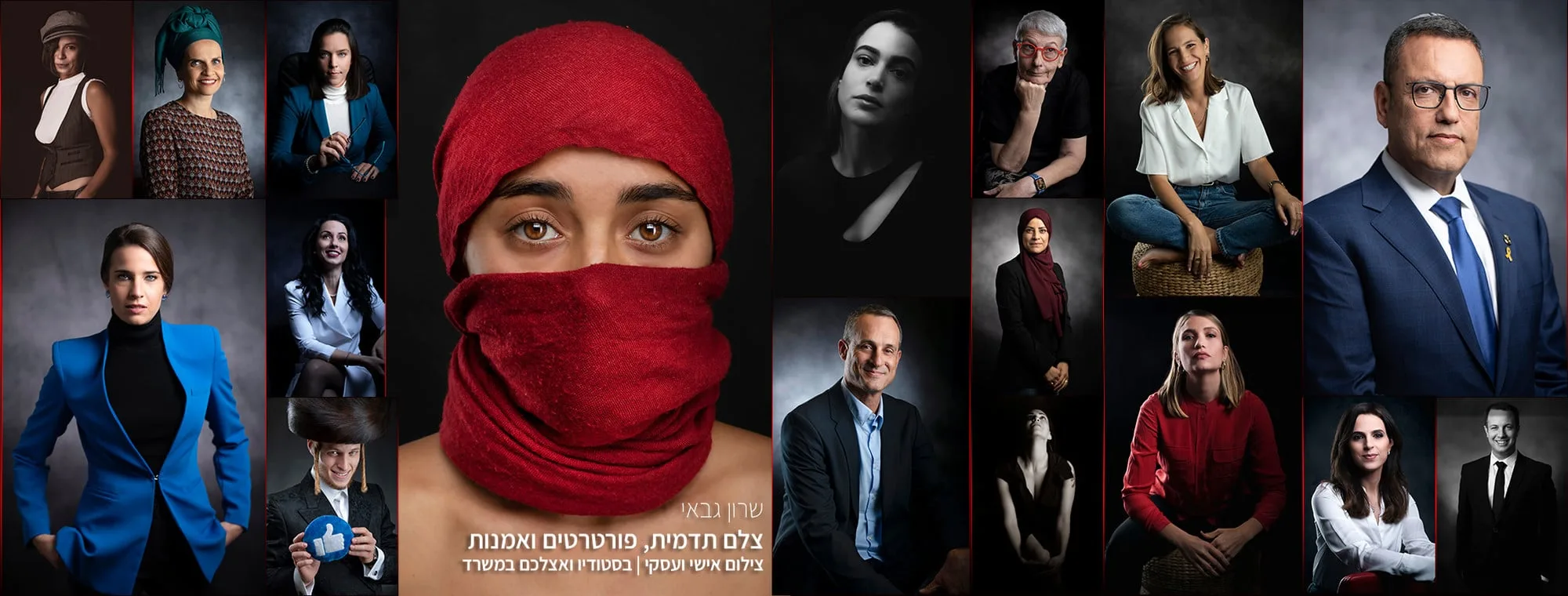
On-location at the client's site (office, clinic, and so on): Here the shoot happens in the comfort of your own work environment, while still holding to the studio standard. We arrive with a full professional kit and build a shooting set on the spot, including a neutral backdrop and controlled lighting. This approach makes sure the focus stays on you and that the final result is consistent, professional, and free of distractions.
4. Planning a winning wardrobe:
Clothing is an inseparable part of the message. The goal is for it to flatter you and serve the purpose, without stealing the show.
Match it to your brand: Make sure your clothes align with the brand personality you defined.
Color and psychology: Choose solid, even colors that flatter your skin tone.
Fit is the key: A garment that fits you perfectly will make you look and feel good.
What not to wear: Avoid large prints, thin stripes, prominent logos, or anything too trendy.
Plan 3 to 5 outfits: Bring a range of options to allow for flexibility and creativity on the day.
Case study: The power of a second option
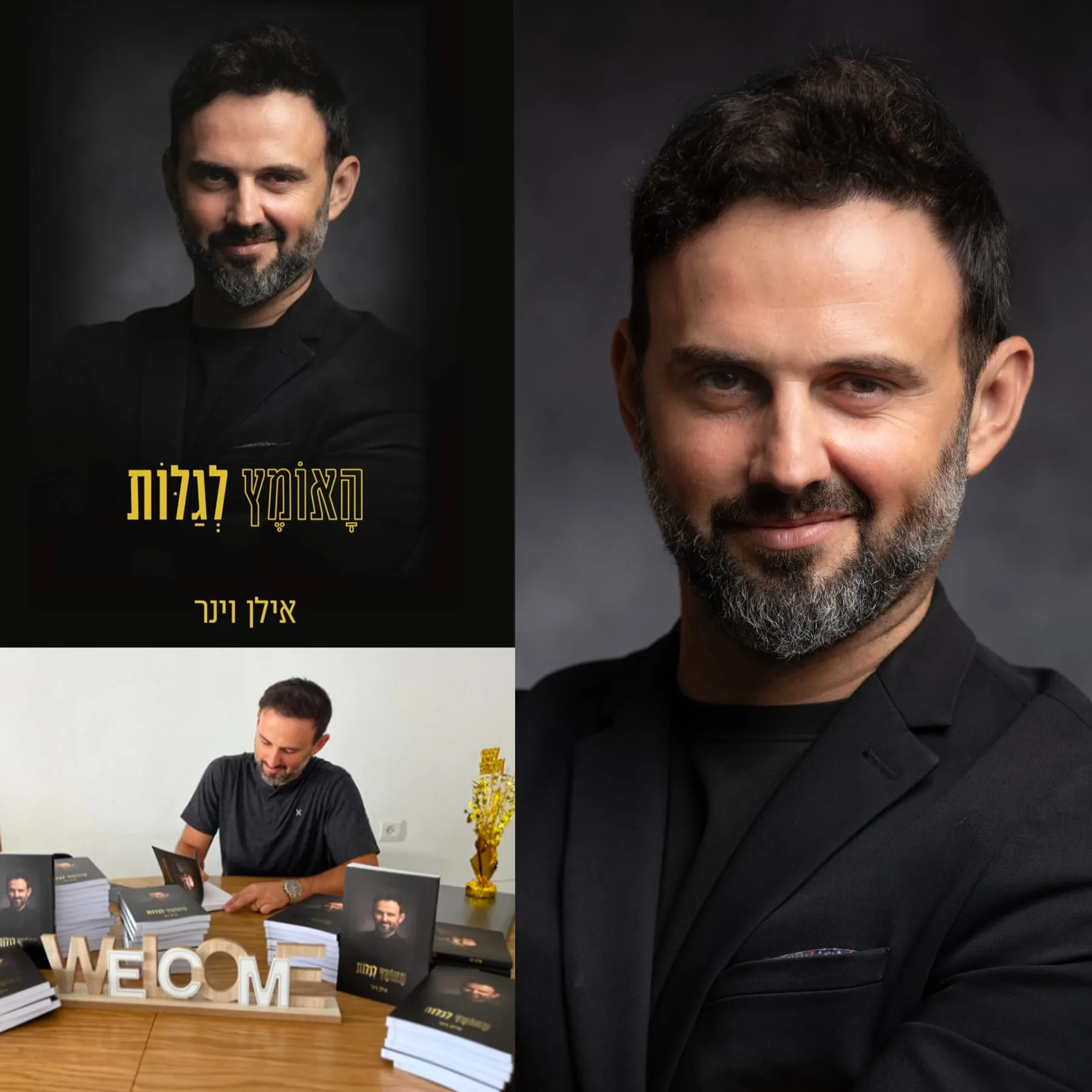
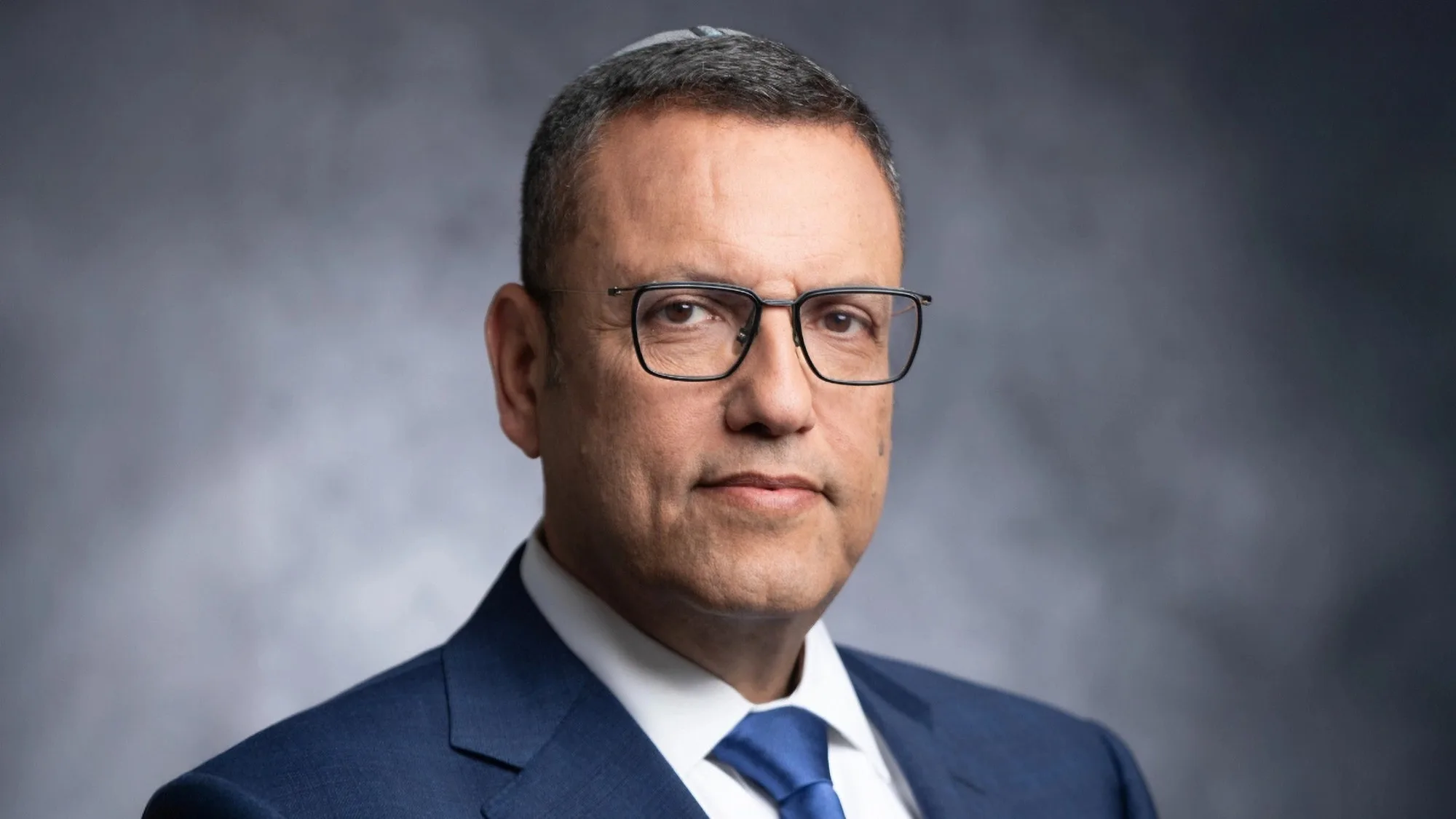
Planning ahead is critical, but sometimes the best result comes from exactly the place you didn't expect. In the photo accompanying this article you can see the author Ilan Wiener. When he came in to be photographed for the cover of his new book, "The Courage to Discover," his original request was to be shot in a white button-down shirt and a jacket.
As an additional idea, I asked him to also bring a black T-shirt and a matching jacket. During the session, we tried both options. In the end, the photo chosen for the cover, the one that conveyed exactly the right message of strength and approachability, turned out to be the one with the black T-shirt.
This case highlights two important points:
Bring options: It's always worth bringing an extra outfit, even if you're sure about your first choice.
Stay open to suggestions: The photographer has the experience and the eye to understand how clothes, colors, and textures translate through the lens. Trust that experience.
Step 2: Grooming and Final Details
1. Hair:
Schedule a haircut or color about 5 to 7 days before the shoot. That gives your hair time to "settle in" and look more natural.
2. Skin and body care:
Your skin is the canvas. Start drinking plenty of water. Stick to a cleansing and moisturizing routine. This is not the time to try new products or undergo aggressive facials.
3. Hands and nails:
Your hands may appear in the photos. Keep your nails clean and well-groomed.
4. Practice in the mirror:
This might sound odd, but it works. Stand in front of the mirror and practice. Find your most flattering angle and rehearse different smiles. Pay attention to your posture, standing tall instantly conveys confidence.
Step 3: The Final Preparation
1. Packing the "winning bag":
Organize everything you need the night before.
Clothing: Bring all the outfits you chose on hangers, clean and pressed.
Shoes and accessories: Add polished shoes for each outfit, along with any relevant accessories.
Touch-up kit: Powder, lipstick, a hairbrush, and so on.
Water and a healthy snack: It's important to keep your energy up.
2. Nutrition and hydration:
Avoid salty food and alcohol. Go for light meals and keep drinking plenty of water.
3. Sleep, sleep, and more sleep:
Aim for at least 8 hours of sleep the night before. Quality sleep is the best beauty treatment there is.
Step 4: Shoot Day, Your Moment to Shine!
This is the moment when all the preparation flows into a single experience. The main goal on shoot day is to feel comfortable, and the responsibility for that is shared between you and the photographer. A good photographer knows how to set the right atmosphere, one that lets even people who "hate being photographed" loosen up and enjoy it.
Another client shares: "I came to Sharon under terrible stress, convinced that I hate being photographed but there's no choice, I need photos for my website. Over a cup of coffee and within a few minutes of conversation, he created exactly the right, fitting atmosphere."
"As someone who isn't inclined to and doesn't enjoy being photographed, Sharon's sensitivity and professionalism made me feel comfortable right away, as if we'd known each other for years." - Neta Granit
1. A calm morning:
Start the day in an unhurried way. Eat a nourishing breakfast, listen to music you love.
2. Makeup and hair:
In my way of working, which includes a precise selective light technique, significant professional makeup isn't essential. Even everyday makeup looks great under this lighting, since it's designed to flatter your features and preserve your natural, authentic look. If you do decide to bring a makeup artist, choose one who is experienced in business makeup.
3. Arrive on time and at ease:
Leave early so you reach the studio about 10 to 15 minutes ahead of time, without any rush.
4. Communicate with the photographer and trust them:
The photographer is your partner in success. A professional doesn't just press the button, they lead you step by step, direct you, and make sure you walk away with an impressive result.
Iris Barkan describes the experience: "Sharon turned out to be an attentive soul with an especially sensitive eye, the kind that lets you peel away slowly and patiently, layer by layer, from awkwardness, embarrassment, and self-criticism... I left the whole world outside and gave myself over to the wonderful process of self-discovery through Sharon's caressing lens."
The process should be transparent. A good photographer pauses between outfits, shows you the raw shots, and makes sure you're happy before moving on. In the end, the result is a product of talent, professionalism, and human connection.
Summary: Preparation is the recipe for confidence and stunning results
A successful headshot is far more than the press of a button. It's the result of a deliberate process of planning, preparation, and collaboration. When you invest time and thought in the preparation, you not only guarantee a better technical result, you also build your own self-confidence. That confidence, knowing that you look great, that your message is clear, and that you're in professional hands, is the secret ingredient that turns a good photo into a photo that creates opportunities.
"I received a headshot session with Sharon as a gift and it's one of the best gifts I've ever gotten! It was pleasant, intimate, friendly, professional, and the photos came out wonderfully. Sharon doesn't compromise on a single frame and also manages to create a great atmosphere and a direct connection, which is far beyond talent." - Rotem Nir
In the end, the goal is to come away with photos that are varied, distinctive, and most importantly, authentic, the kind you'd want to see on the cover of the book of your life.
Want to read what other clients have to say? Visit the reviews page on the site.
Frequently asked questions
- How do I choose the right clothes for a headshot session?
- Your choice should be based on the message you want to convey. Go for clean garments without busy prints. It helps to bring a few different outfits so we can fine-tune the look during the session.
- I don't feel photogenic. How do I look good in photos?
- The secret lies in professional direction and proper lighting. A skilled headshot photographer guides you step by step through facial expressions and body angles. A prep call beforehand helps ease the tension and creates a relaxed result.
- What is a discovery call and why is it critical to a successful session?
- In a discovery call we define your target audience and your brand values. Understanding the goal, whether the photo is for LinkedIn or your website, lets us plan the exact lighting and composition for your message.
- Do I need a professional makeup artist for a headshot session?
- Thanks to a selective light technique, everyday makeup looks great and a professional makeup artist isn't essential. The precise lighting flatters your features and keeps your natural, authentic look intact.
- How far in advance should I start preparing for the session?
- It's best to start preparing about two weeks ahead by choosing your clothes. Getting good sleep and drinking plenty of water the day before the shoot ensures a fresh, relaxed look on the day.
- How long does a headshot session actually take?
- Sessions run 30–120 minutes depending on the package. On-site shoots add about half an hour for setting up the mobile studio and half an hour for teardown. The session is short thanks to precise preparation in advance — never at the expense of quality.
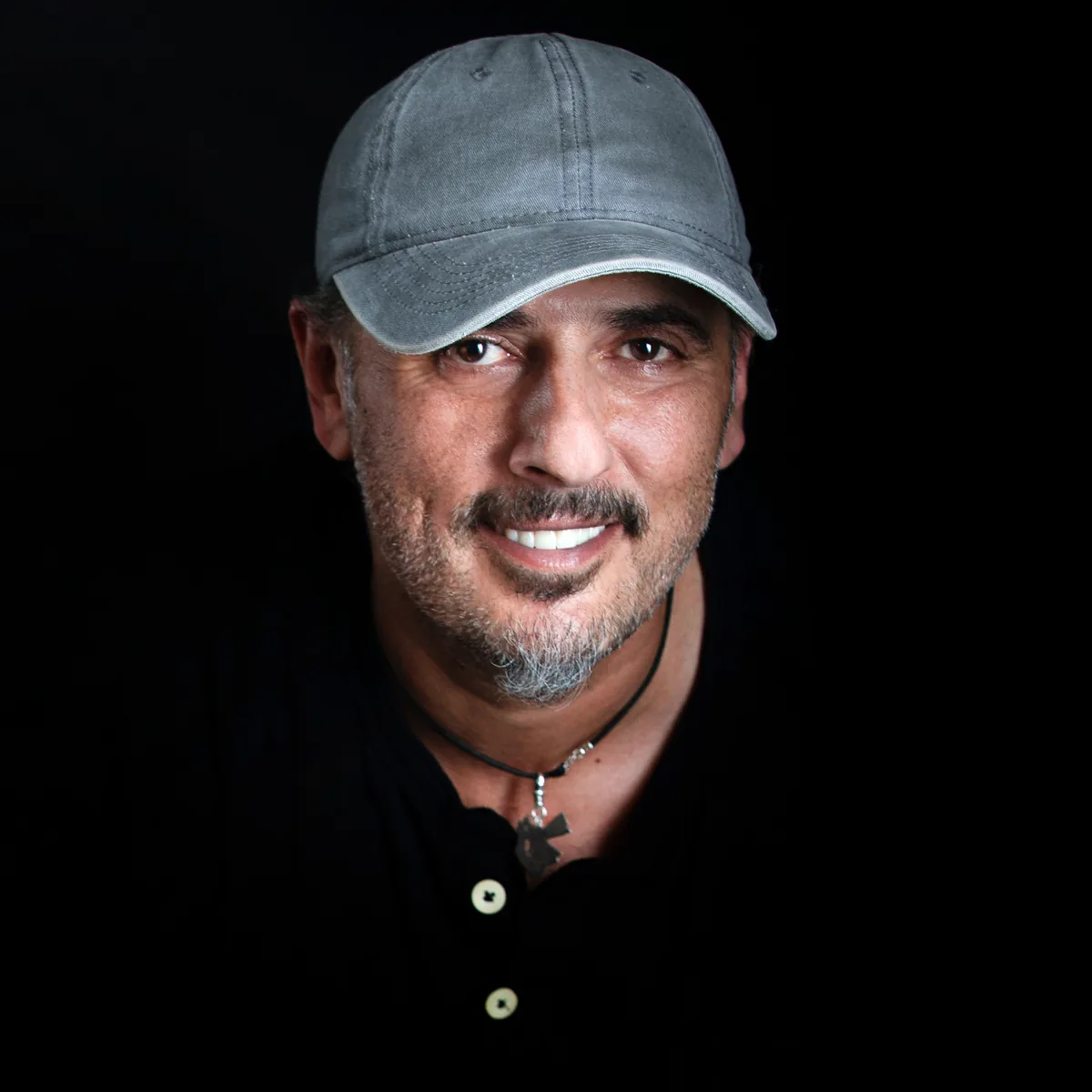
Written by
Sharon Gabay
Portrait, headshot & fine-art photographer · author of six photography books
More about Sharon Gabay →Related articles
Ready for a photo that works for you?
Tell me what you need and we'll find the right format together. We can shoot in my professional studio, or I'll come to you with a full mobile studio — anywhere in Israel.