
What Are Professional Headshots? The Difference from a Passport Photo, a Portrait and a Selfie
What professional headshots are, who they are for, where they are used, and how they differ from a passport photo, a fine-art portrait and a selfie.
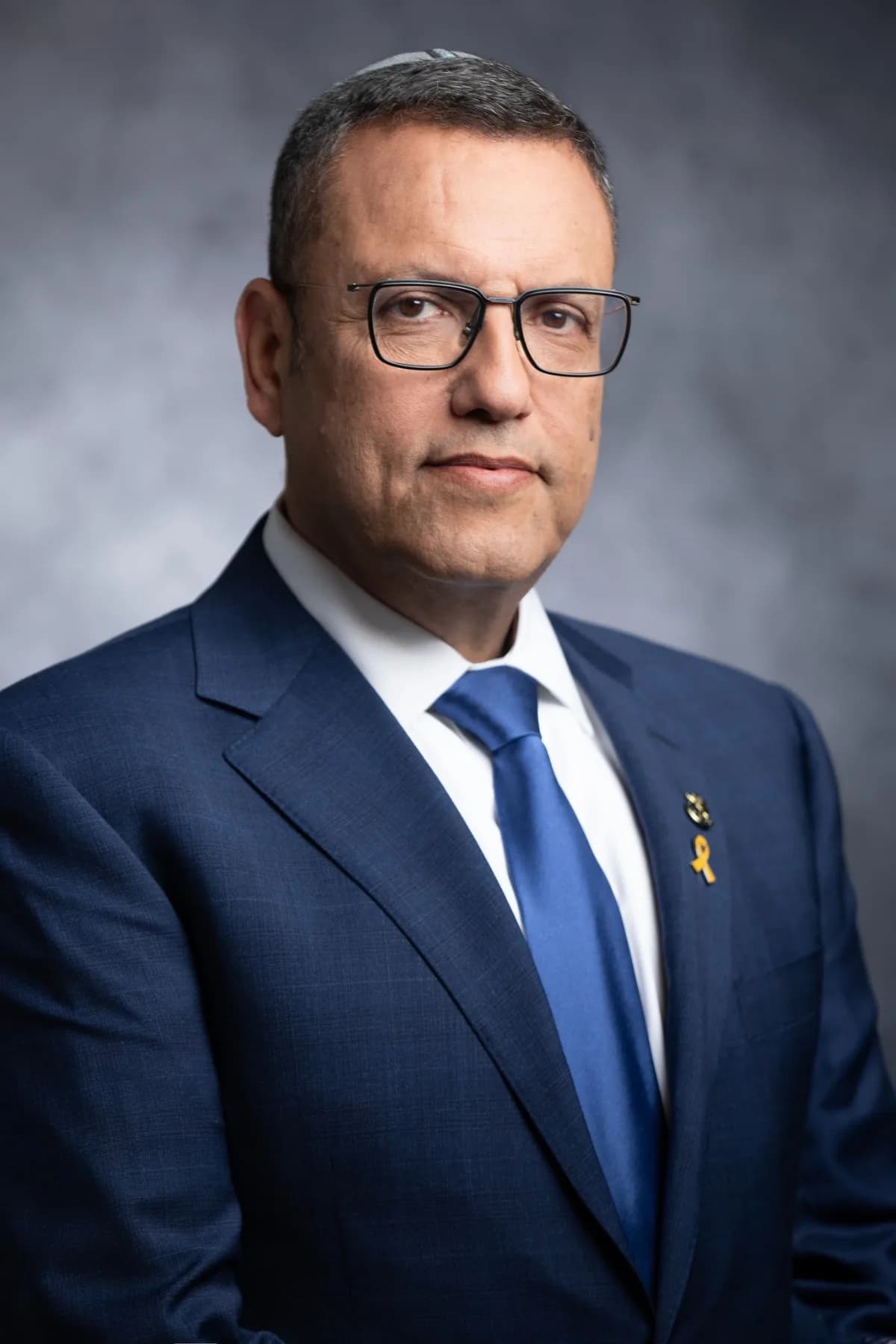
Professional headshots are a professional photograph of a person for professional use: for a website, for LinkedIn, for the press and for the team page. They are made in light that is built for the face, on a clean backdrop and with the photographer's direction, and their purpose is a picture that represents the person as they look on a good day and carries their professional message.
That definition is simple. The confusion starts with what professional headshots are not: not a passport photo, not a fine-art portrait, not a picture cropped from an event and not a good selfie. In this article I explain the differences, who headshots are for, where they are used and how long it takes. The precise comparison between a headshot and a business portrait, the two kinds within headshot photography itself, is written separately in headshot or business portrait, and I will not repeat it here.
Who professional headshots are for
Anyone whose face is part of their work. Executives and CEOs, public figures, lawyers and accountants, doctors and therapists, academics, entrepreneurs and business owners, employees of a company that is building a team page. What they have in common: someone will see the picture before they meet the person, and decide something.
The difference between the professions is in the message. A lawyer needs to convey authority and credibility, a therapist approachability and warmth, an entrepreneur sharpness and openness. The picture is built differently for each, which is why the site has guides by field, gathered under headshots by profession.
Where professional headshots are used
LinkedIn and professional profiles. The place where the picture works hardest: recruiters, clients and partners see it before every decision.
The company website and the team page. Here consistency is required: the same backdrop and the same light for every member of the team, or the page looks like a collection of pictures from different periods.
Press and public relations. A journalist preparing an article needs a high-resolution picture. If there is none, they will use whatever they find.
Email signature, Zoom, WhatsApp Business. Small circles in which only a face that fills the frame and a clear expression survive.
Reports, presentations, conferences, CVs. Anywhere a name appears beside a face.
The difference from a passport photo
A passport photo records. It has fixed rules: flat, even light, a neutral expression, a white background, a straight gaze. The purpose is identification, so anything flattering or interpretive is forbidden.
A headshot represents. The light is built to give the face volume, the expression is chosen out of dozens of frames, the backdrop and clothing are matched to the message, and the crop is set by where the picture will appear. A passport photo says "this is the person". A headshot says "this is the person, and this is how you should meet them".
The difference from a fine-art portrait
A portrait is a likeness of a person. In its fine-art form it expresses the photographer's interpretation: dramatic light, deep shadow, pose, story. The viewer is meant to think about the picture, not only about the person.
A headshot is a kind of portrait, but one that serves a professional purpose. It is more focused on the face, quieter in the background, and its expression is clear rather than mysterious. The same techniques of light and shadow serve both, only in a different dose. On that boundary, and on what portraiture can give a business picture, see portrait photography.
The difference from event photography and from a selfie
A picture from an event was taken for the event: the light is whatever the hall had, the background is whoever stood behind, and the expression belongs to the moment. When a face is cropped out of it for a profile, it shows at once: an unintended angle, light from the ceiling, a piece of someone else's shoulder.
A selfie suffers from three built-in problems: a close lens that distorts the proportions, the light of the room, and nobody to tell you the chin is too high. Even a successful selfie remains a selfie. More on that in why phone headshots don't work.
Kinds of professional headshots
Within the broad definition there are several kinds, each with its use:
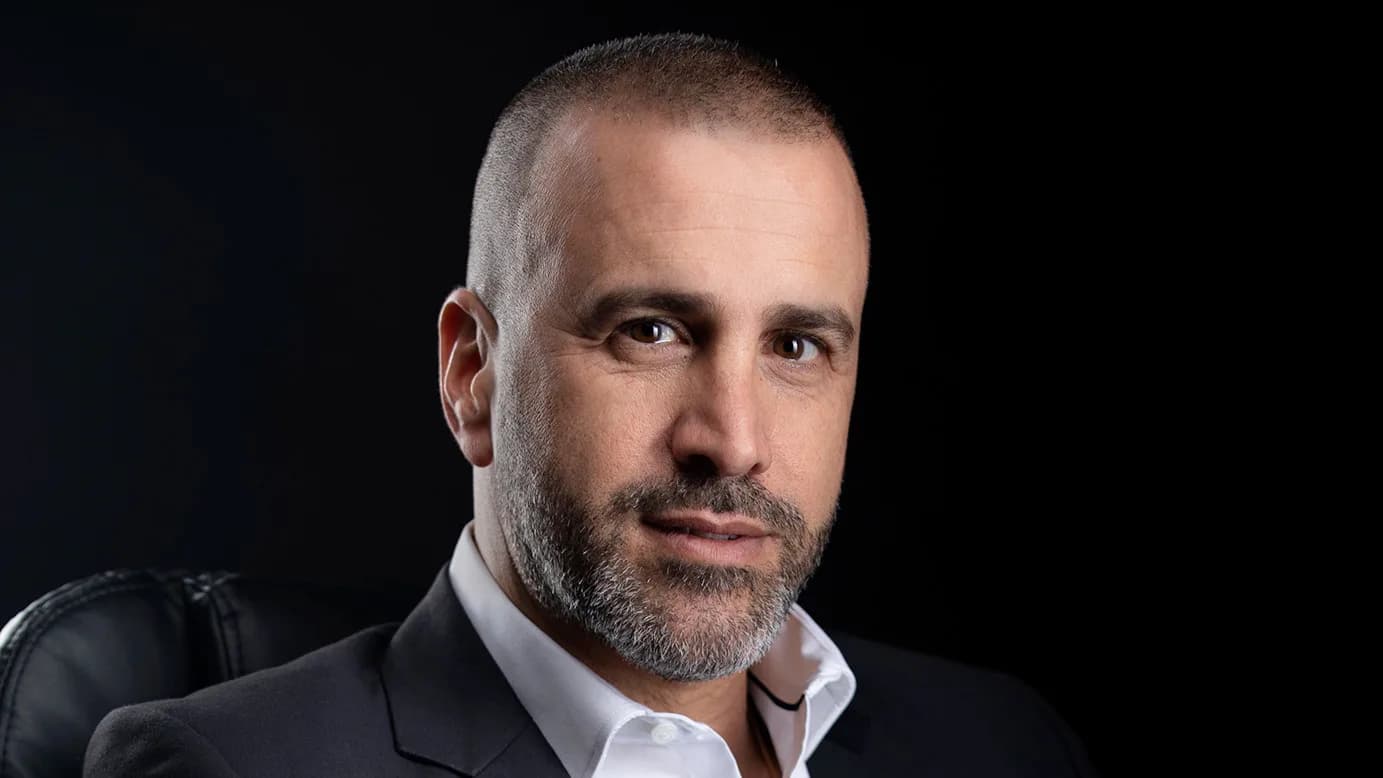
The headshot. Head and shoulders on a clean backdrop. For profiles, the team page and the email signature. The most common kind.
The business portrait. A wider picture, with body language, sometimes with a prop or with the office as background. For the website, the press and personal branding.
Team photography. The same headshot for dozens of people, on the same backdrop and in the same light, on a concentrated photo day at the office. For the team page and the management page.
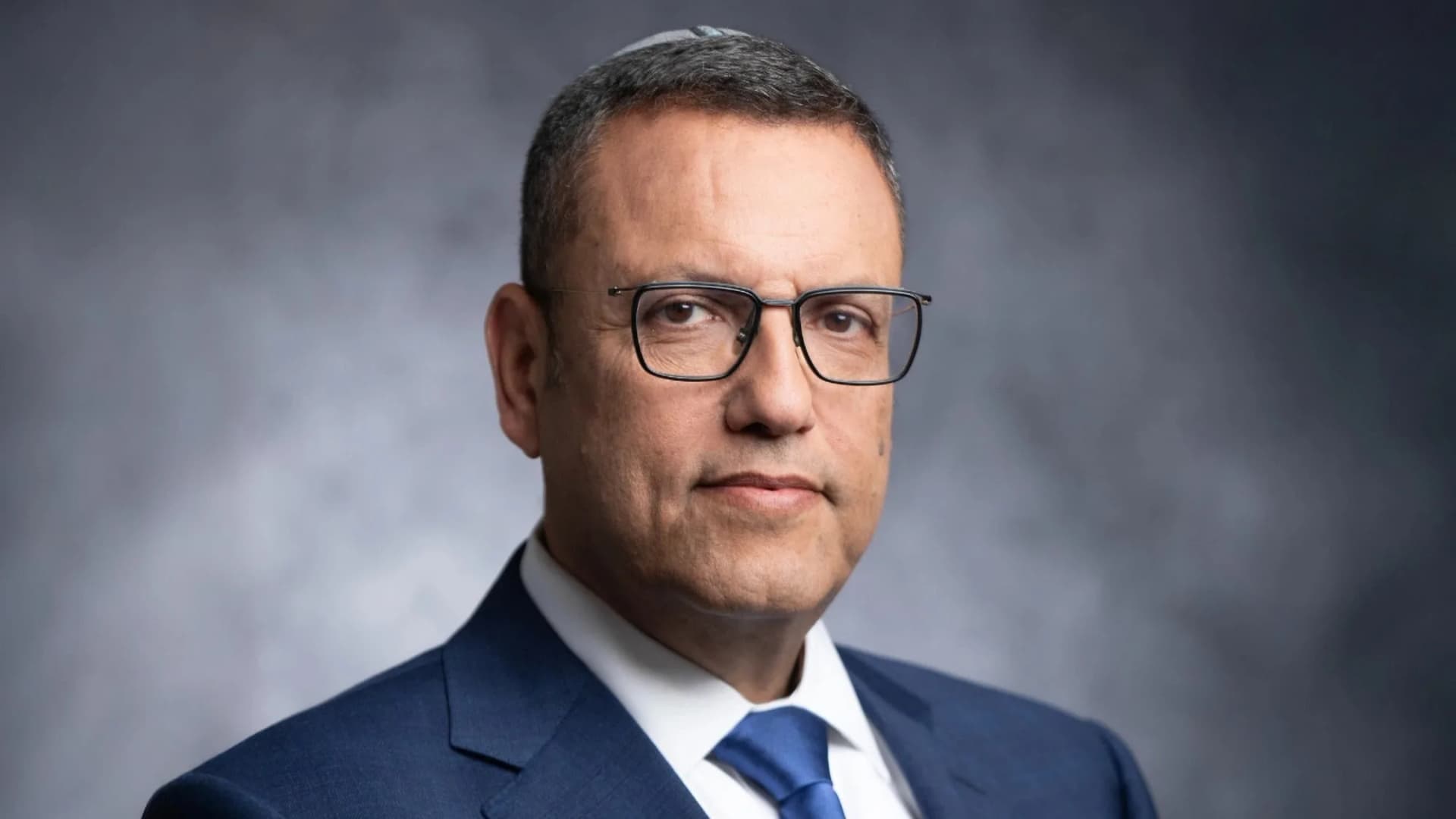
Campaign photography. Pictures for elected officials and candidates, for billboards and campaign materials, sometimes with a flag or an emblem as background. See the campaign photography page.
A portrait for the encyclopedia. A headshot chosen to represent a person in their Wikipedia article. Dozens of the pictures taken here have been chosen that way, and they are gathered on the portrait for the encyclopedia page.
What happens in a session
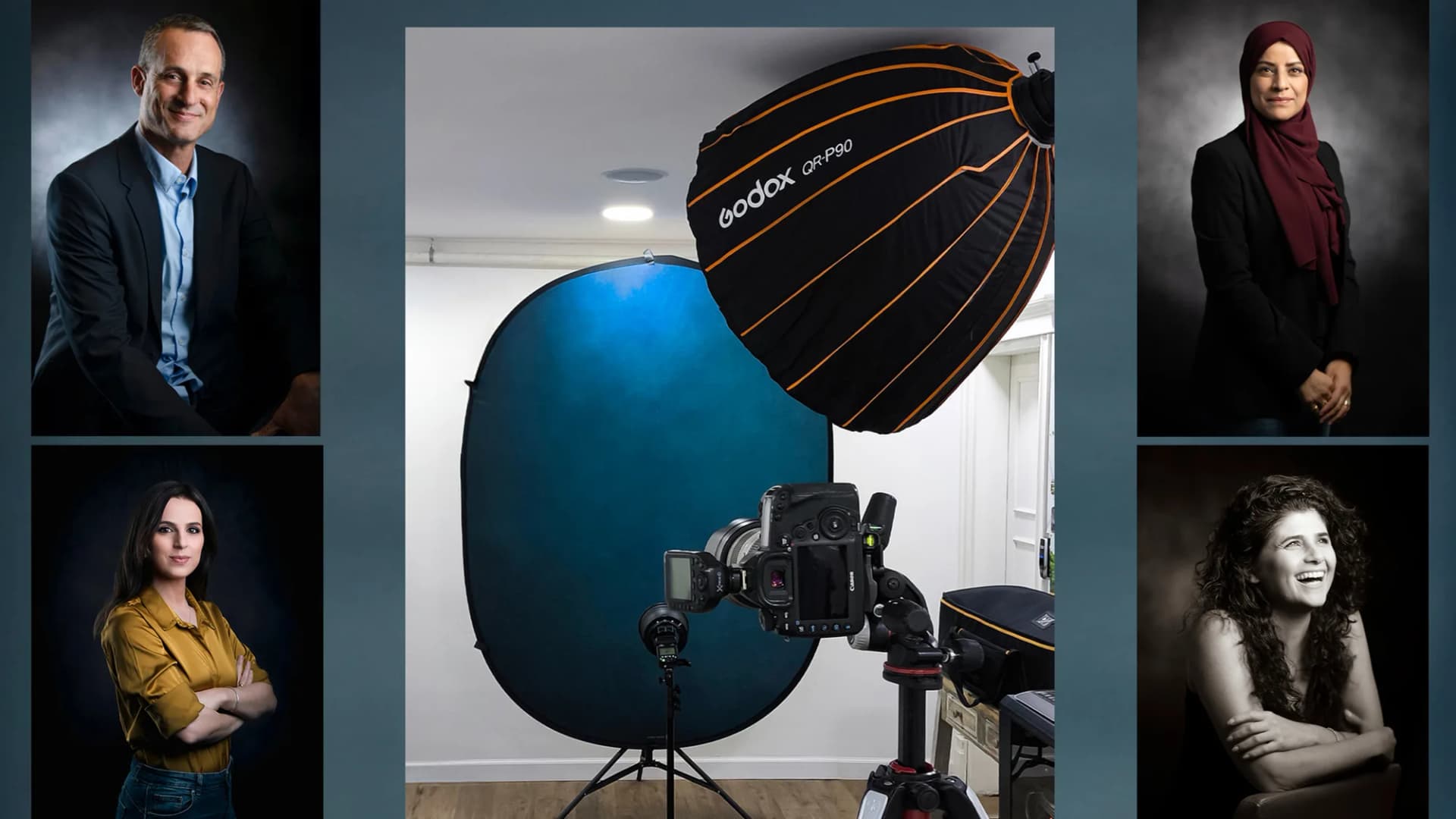
Four stages, always in the same order. A short coordination, by call or WhatsApp, to understand the goal, the style and the timing, and to pick a date and place. The shoot itself, in the studio or with the mobile studio, with close direction on pose, expression and lighting, even for someone not used to a camera. A joint selection of the best frames. And professional, precise editing of the selected ones. Whoever arrives with an answer to "where is the picture going" saves most of the coordination call.
How often to renew
Every three to four years, or when there is a significant change in appearance. A picture that no longer represents the person who arrives at the meeting creates a gap at the door, and that gap hurts credibility more than a simple, current picture would. On a team page the custom is to refresh the whole page together every three to four years, and in between to photograph only newcomers under the same conditions.
How long it takes and what you get
A short scoping call before the shoot: what the picture is for, what the style is, what to wear. The session itself runs 30 to 120 minutes depending on the package. On a company photo day each employee is away for a few minutes.
At the end you receive the selected images after professional editing, in ready-to-use formats, and all the raw files. Usage rights are full, for the website, LinkedIn, advertising and the press, with credit to the photographer as the law requires. Every client also receives a black-and-white version. What each package includes and what it costs is in the guide to how much a headshot costs.
What professional headshots should not be
Three things people ask for that usually work against them. A "forced smile": a smile that was ordered looks like an ID card, and an expression that comes out of conversation looks like a person. Heavy retouching: a picture that does not resemble the person who arrives at the meeting creates a gap, so the editing stays at refinement. And an "interesting" background: a background that pulls the eye from the face loses the only reason the picture was taken. Good headshots are quiet, and that quiet is the decision.
Where they are taken
In the professional studio, or with a mobile studio for headshots that comes to you: at home, at the office or at the company, anywhere in Israel. The same lighting, the same backdrops, the same lenses, and therefore the same result. Whoever does not leave the office does not have to leave it for the picture.
In summary
Professional headshots are a professional photograph of a person for professional use, in built light, on a clean backdrop and with direction. They differ from a passport photo in purpose, from a fine-art portrait in dose, and from event photography and selfies in every way. For anyone still unsure what they need, the guide to choosing a headshot photographer answers the next questions. To book: WhatsApp 054-2000-300.
Frequently asked questions
- What are professional headshots?
- Professional headshots are a professional photograph of a person for professional use: a website, LinkedIn, the press, a team page. They are made in built light, on a clean backdrop and with the photographer's direction, so the picture represents the person as they look on a good day and carries their professional message.
- What is the difference between a headshot and a passport photo?
- A passport photo records a face for identification under fixed rules: flat light, a neutral expression, a white background. A headshot is made to represent: the light is built to flatter the face, the expression is chosen, and the backdrop and clothing are matched to the message and to where the picture will appear.
- What is a portrait, and how does it differ from a headshot?
- A portrait is a likeness of a person, and in its fine-art form it expresses the photographer's interpretation: dramatic light, pose, story. A headshot is a kind of portrait that serves a clear professional purpose, so it is more focused on the face and the message and less on interpretation.
- How long do professional headshots take?
- The session itself runs 30 to 120 minutes depending on the package, after a short scoping call. On a company photo day each employee is away for a few minutes.
- What do you get at the end of a headshot session?
- The selected images after professional editing, in ready-to-use formats, all the raw files, and full usage rights in the pictures, with credit to the photographer as the law requires. Every client also receives a black-and-white version.
- Where are professional headshots taken?
- In the professional studio or with a mobile studio that comes to you, at home, at the office or at the company, anywhere in Israel. The gear is identical in both cases, and so is the result.
Written by
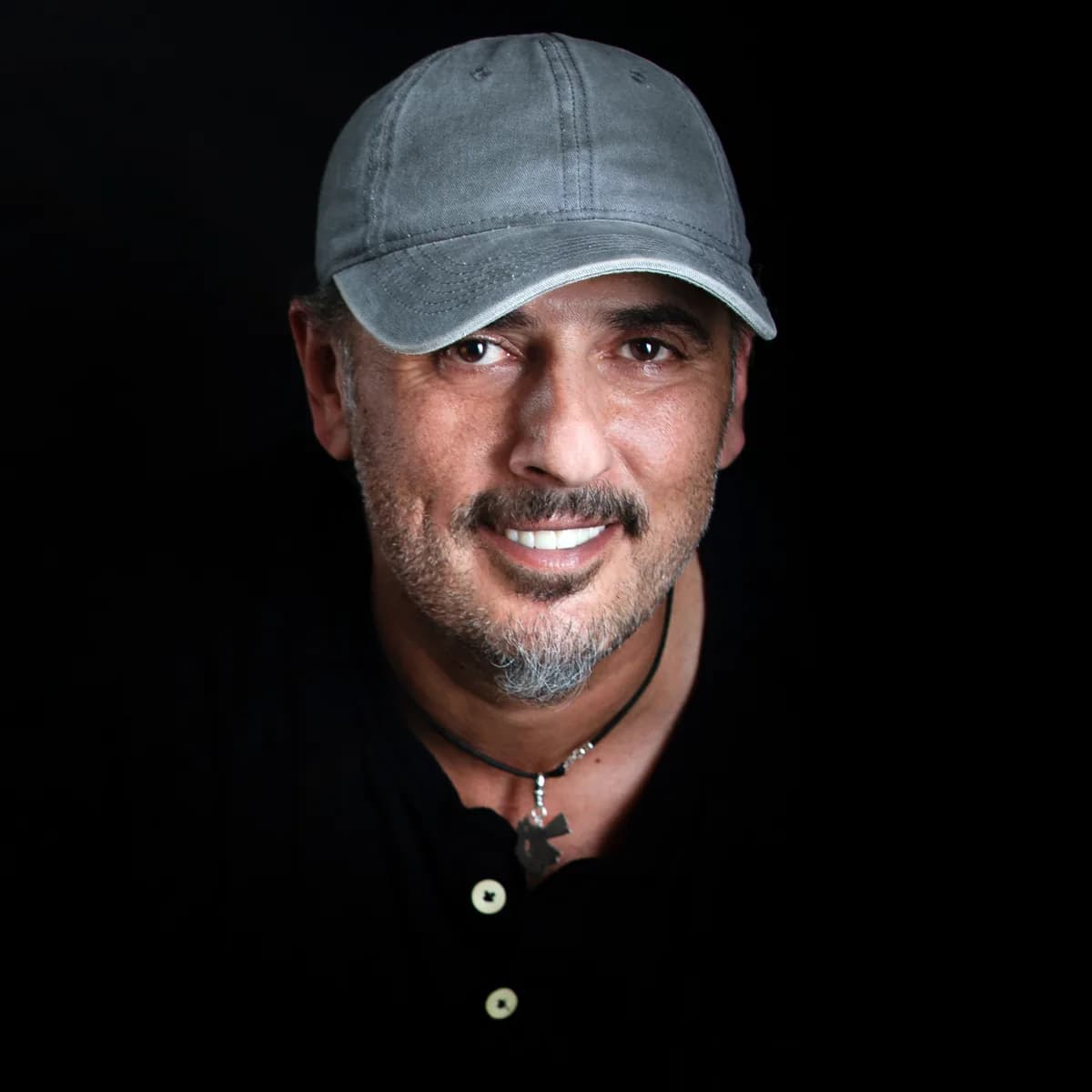
Sharon Gabay
Portrait, headshot & fine-art photographer · author of six photography books
More about Sharon Gabay →Related articles
Ready for a photo that works for you?
Tell me what you need and we'll find the right format together. We can shoot in my professional studio, or I'll come to you with a full mobile studio — anywhere in Israel.