
Why Phone Headshots Don't Work | Sharon Gabay
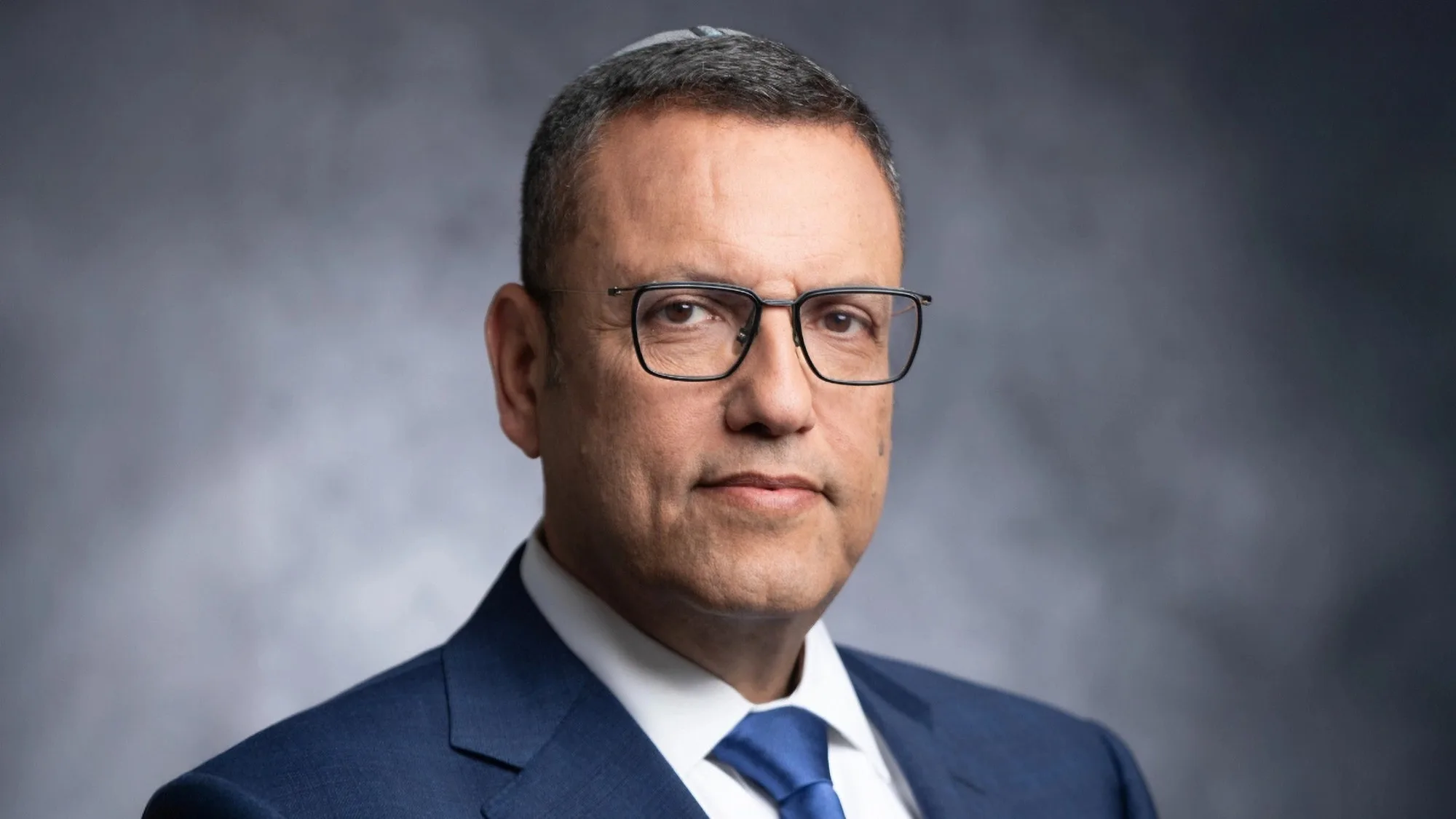
Why don't phone headshots work? A pro photographer's experience, not just gear, makes the difference, and a selfie never replaces a real headshot.
Your phone takes incredible photos of food, landscapes, and kids. But when it comes to your headshot, it simply isn't enough.
"But I have an iPhone 16"
That's the sentence I hear most. And fair enough, today's phones are remarkable. They shoot at 48 megapixels, they have a portrait mode, and they even produce background blur that looks almost like a real camera.
So why isn't a phone enough for a headshot?
Because a headshot isn't just a good photo. It's a marketing tool that has to work across different platforms, at different sizes, and carry a precise message. And that calls for things a phone simply doesn't have.
Lighting — the biggest difference of all
The number one factor that separates a studio photo from a selfie is the lighting. Not the camera.
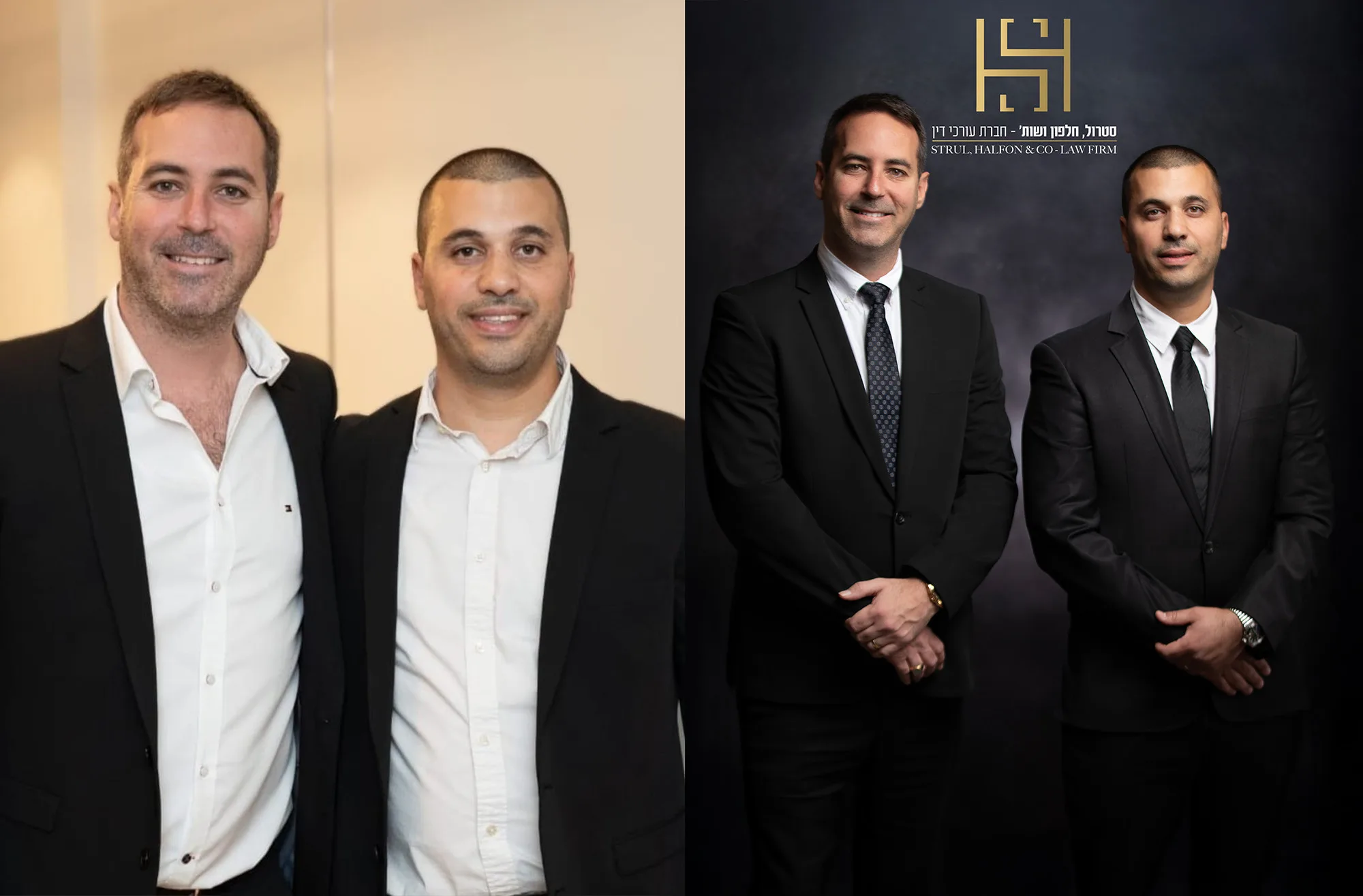
In the studio, I use three to four lighting units placed in precise positions. A key light that sculpts the face, a fill light that softens shadows, a hair light that separates the subject from the background, and sometimes a separate background light.
On a phone, you get whatever light happens to be there. The sun, a ceiling lamp, a window. No control, no direction, no depth. The result: a flat face, unflattering shadows, and skin that looks different from how it really is.
The lens — what your phone does to your face
A phone lens is a wide lens. That's great for landscapes, but it does unflattering things to a face. The nose looks bigger, proportions are distorted, and the face appears wider than it really is.
A headshot photographer uses a lens with a focal length of 85 to 135 millimeters. A lens like that flatters the face. It keeps proportions accurate, creates real background blur (not digital), and gives a three-dimensional feel that a phone simply can't produce.
Background blur — real versus artificial
Portrait mode on a phone tries to imitate the background blur of a professional camera. It does this with software that detects the outline of the body and blurs whatever is behind it.
The problem: the software gets it wrong. It clips ears, smears hair, and creates artificial edges that look strange, especially when you enlarge the photo. At a small size on a phone screen it looks fine. On a website or in printed material, it looks amateurish.
Real background blur, created by a quality lens with a wide aperture, looks completely different. It's smooth, organic, and draws the eye to the subject in a natural way.
Direction — what no app can do
Even if you had the exact same gear as a professional photographer, you'd still be missing the most important thing: someone to direct you.
A headshot photographer tells you how to stand, where to look, when to relax your shoulders, how to tilt your head, when to smile and when not to. They see things you can't, a double chin that disappears at a different angle, a wrinkle in your shirt, a strand of hair out of place.
With a selfie, you're on your own. You look at yourself on the phone screen, make an expression that seems good to you, and hope for the best. The result is usually a forced expression, unnatural eyes, and an unflattering pose.
Editing — the difference between a filter and professional retouching
An Instagram filter lays a single color tone over the entire photo. Professional retouching works on every detail separately: it smooths skin naturally, balances tone, clears up temporary blemishes, corrects lighting, and makes sure the photo looks good at every size and on every platform.
That's the difference between a photo that looks "fine" in a story and one that looks professional on a banner across your website.
When a selfie really is enough
Let's be honest: not every photo needs to be a studio photo. An Instagram story, a casual post, a personal update, a selfie is great for that.
But for a LinkedIn profile, a business website, a business card, marketing materials, a newspaper feature, a client presentation, you need a professional photo. There are no shortcuts.
Sharon Gabay — professional headshot photography
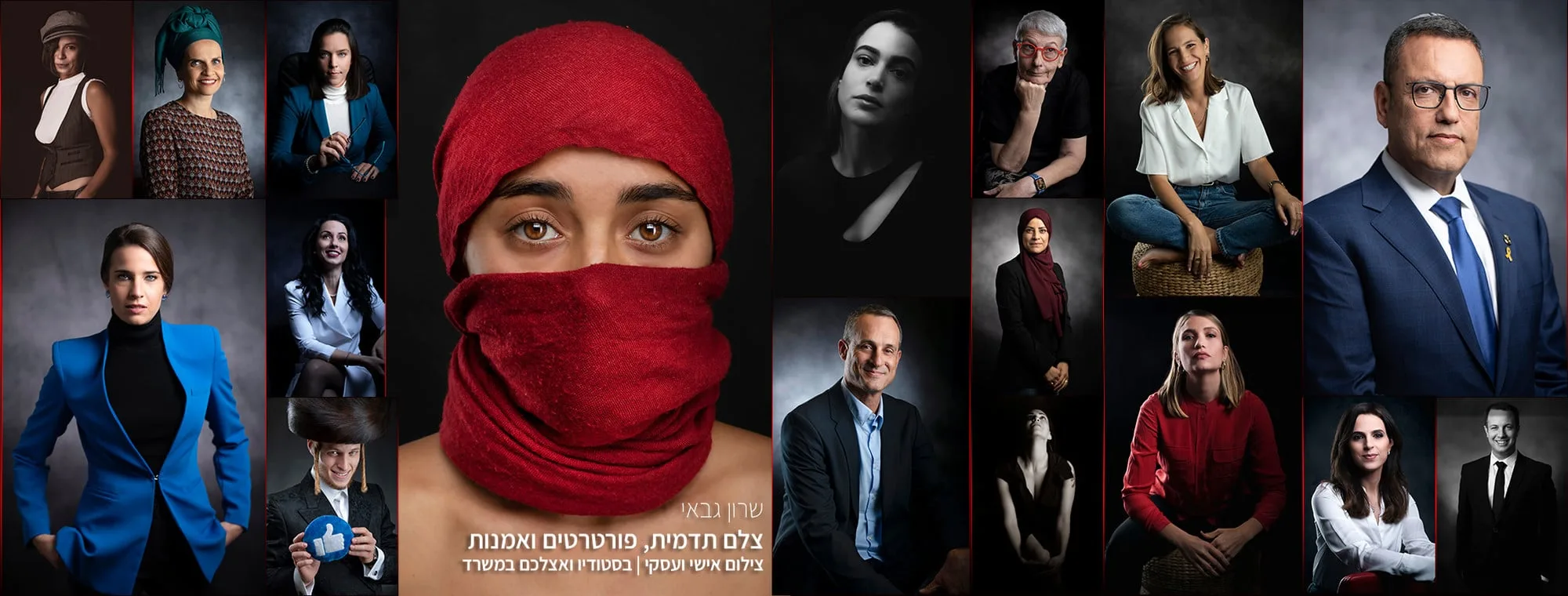
I photograph business people, executives, and public figures with professional gear, studio lighting, and personal direction. The mobile studio travels anywhere in the country.
To book: WhatsApp 054-2000-300
Frequently asked questions
- Why shouldn't I take a headshot with my phone?
- Because a phone is missing three critical things: professional lighting that sculpts the face, a lens that flatters your proportions, and the personal direction of a photographer who knows how to draw out the right expression from you.
- But new phones shoot at 48 megapixels, isn't that enough?
- Megapixels are resolution, not quality. A sharp photo of bad lighting is still a bad photo. Quality comes mainly from lighting, lens, and direction, not from the number of pixels.
- What's the problem with portrait mode on a phone?
- The blur is generated digitally and sometimes clips ears, smears hair, and creates artificial edges. At a small size it's not obvious, but on a website or in print it looks amateurish.
- Can I improve a selfie with an editing app?
- You can improve it, but you can't turn a selfie into a professional photo. Filters and apps can't fix bad lighting, the wrong lens, or an unflattering pose.
- When is a phone photo good enough?
- For casual content on social media, stories, personal posts, everyday updates. But for any professional use, a profile, a website, marketing, or press, you need professional photography.
Written by
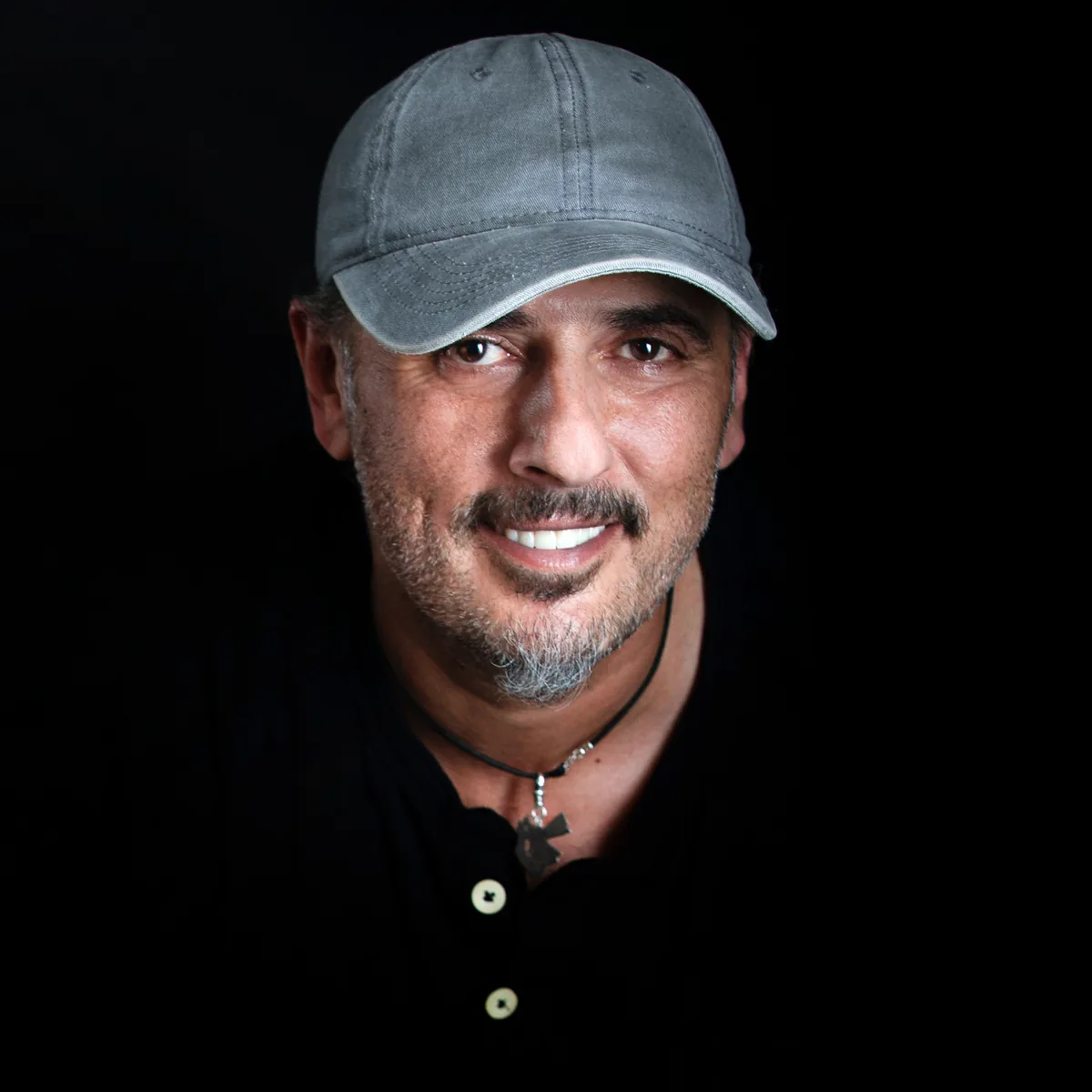
Sharon Gabay
Portrait, headshot & fine-art photographer · author of six photography books
More about Sharon Gabay →Related articles
Ready for a photo that works for you?
Tell me what you need and we'll find the right format together. We can shoot in my professional studio, or I'll come to you with a full mobile studio — anywhere in Israel.