
Common Headshot Mistakes to Avoid | Sharon Gabay
7 common headshot mistakes business owners make, and how to avoid them. A guide by Sharon Gabay, headshot photographer with nationwide studio coverage.
A headshot is meant to present you as professional, trustworthy, and full of presence. But a few small mistakes are enough to damage that first impression. Here are the most common mistakes amateur photographers make, and how to avoid them.
Even seasoned professionals can fall into a few traps when it comes time to sit for a business portrait. Below are the most common headshot mistakes business owners make, and exactly how to steer clear of them.
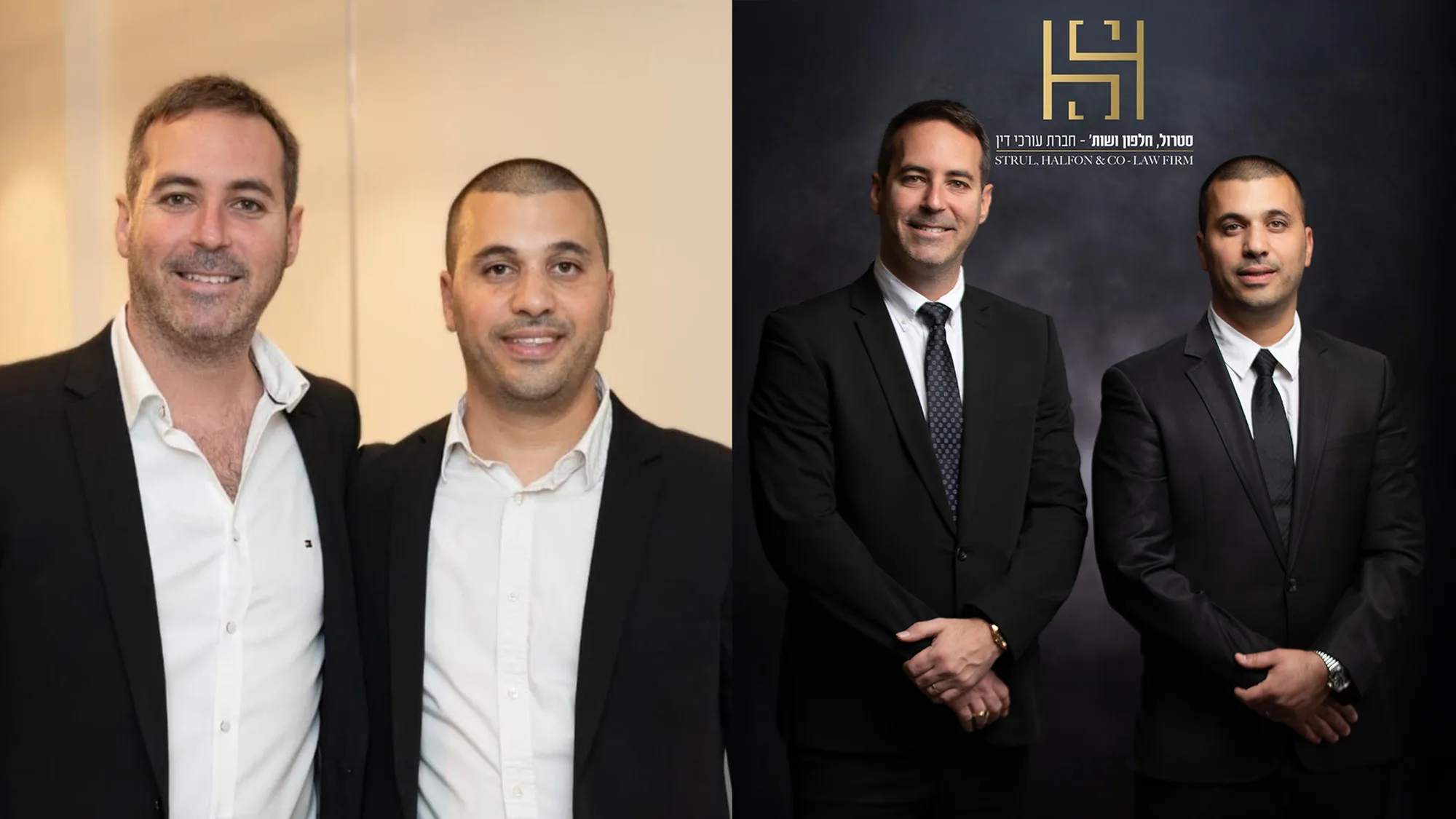
Amateur shots (a selfie or an old photo): Relying on a phone selfie, or cropping yourself out of an existing picture, is a common mistake that quietly signals you couldn't be bothered. It's far better to invest in a professional shoot that keeps the frame to your head and shoulders against a clean background, with no distracting clutter.
An old photo that no longer looks like you: A photo from five years ago, even a great one, no longer represents who you are today. Clients meeting you for the first time expect to see the person in the picture. A big gap between the image and the reality undercuts your credibility.
Cropping yourself out of a family or group photo: A picture where it's obvious that someone else has been cut off the side, or where the background is clearly a family event, reads as unserious. Clients notice it instantly.
Using a logo instead of a personal photo: When visitors never get to see the person behind the business, you miss an enormous opportunity. On social media and on your website, a personal photo creates a human connection that a logo never can.
The wrong background and lighting: A busy background or an unprofessional setting pulls the eye away and leaves an amateur impression. Soft, clean lighting paired with a neutral background flatters the face and keeps the focus where it belongs.
Inappropriate clothing and grooming: Ill-fitting clothes or a sloppy appearance work against your professional brand. Dress in clean, well-chosen attire that suits your field, as if you were heading into a meeting with a client.
An awkward expression or off body language: A frozen expression or a forced smile undermines the whole image. A hunched posture or a smile with a distant, disengaged gaze reads as a lack of confidence. Better to look straight into the camera, stand tall, and offer a warm, self-assured smile rather than projecting distance or nerves.
A successful business portrait speaks for itself, no words required. It rests on the right combination of good lighting, the right wardrobe, a fitting background, and body language that conveys presence and confidence.
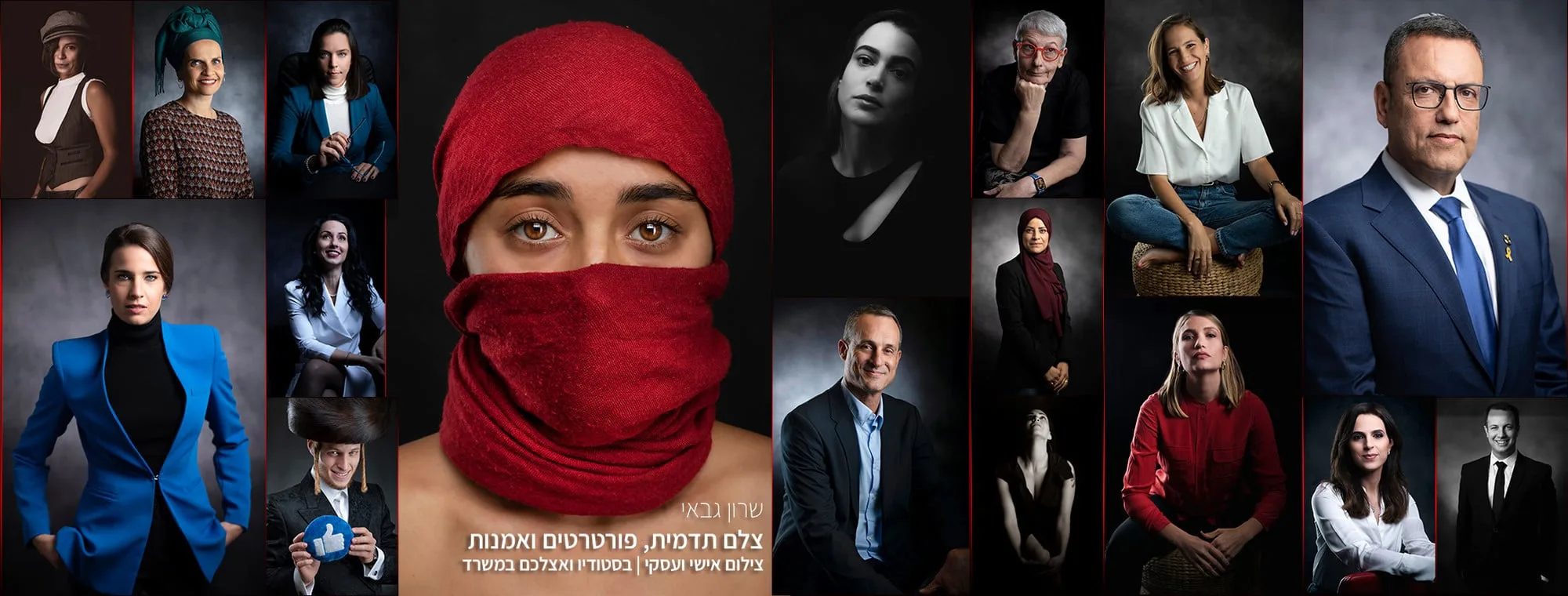
In the example at the bottom of this article, a portrait of Moshe Lion, Mayor of Jerusalem, you can see how an upright posture, polished attire, and a direct gaze into the lens come together to create an image of authority and genuine credibility.
This is a photograph that presents a person in public office in a way that honors both the subject and the viewer.

Frequently asked questions
- What is the most common headshot mistake?
- Using an old photo or a phone selfie. An image that no longer represents who you are damages your credibility and creates a gap between expectation and reality at that first meeting with a client.
- Is it okay to use a cropped photo from an event?
- Not at all. A crop from a family or group photo is obvious at a glance and signals a lack of seriousness. Business clients expect a photo taken specifically for the purpose.
- Can a business logo replace a personal photo?
- No. A logo creates no human connection. People buy from people, not from brands alone. A professional personal photo is the single most powerful tool for building trust online.
- How often should you update your headshot?
- Aim to refresh it every three to four years, or whenever your appearance changes significantly. A photo that doesn't match the person sitting across the table undermines your credibility.
- What is the right background for a headshot?
- A clean, neutral background, white, gray, or dark, is the safest choice. A busy or random background pulls attention away from the face, which is the heart of every successful headshot.

Written by
Sharon Gabay
Portrait, headshot & fine-art photographer · author of six photography books
More about Sharon Gabay →Related articles

Ready for a photo that works for you?
Tell me what you need and we'll find the right format together. We can shoot in my professional studio, or I'll come to you with a full mobile studio — anywhere in Israel.