
Street Photography for Beginners | Sharon Gabay
A street photography guide for beginners — gear, technique, beating the fear of shooting strangers, and what to look for in the frame. By Sharon Gabay.
Street photography is one of the hardest genres to learn — and one of the most beautiful once it finally clicks.
What street photography actually is
Street photography is the documentation of life as it unfolds — no setup, no staging, no permission asked in advance. It isn't a photograph of "the place," it's a photograph of "the moment." The street is your studio, and the people are your cast — even if they have no idea they're being photographed.
Henri Cartier-Bresson, the father of modern street photography, called it "the decisive moment" — the split second when every element in the frame lines up into a perfect picture. A second earlier, it wasn't there. A second later, it's gone.
That's what makes street photography so captivating and so maddening all at once. You can't repeat the moment. You can't ask people to do it again.
The gear — less than you think
The most common beginner mistake is believing you need expensive equipment. You don't.
The best camera for street photography is the one you already have. Robert Frank documented with a small Leica. Vivian Maier shot with a Rolleiflex. The real puzzle of street photography isn't technical — it's human.
What does matter:
A small, unintimidating camera — the bigger the camera, the more aware people become of you, and the more they change their behavior. A small camera lets you stay invisible.
A prime lens — 35mm or 50mm. No zoom. A prime lens forces you to move physically closer to your subject, and that changes everything.
Manual mode or aperture priority — stop down to somewhere between f/8 and f/11, set your focus distance in advance, then shoot without thinking. Zone focusing lets you work fast without refocusing every single time.
The big fear — photographing people
Every beginning street photographer goes through it. Your heart pounds, your hands shake, the camera just won't come up.
The only cure is to do it. Again and again. Until the fear becomes part of the process instead of a roadblock.
A few tips that helped me:
Be present, not hidden — anyone trying to hide looks suspicious. Anyone walking with confidence and a camera looks professional. Self-assurance is the best protection you have.
Shoot a lot, keep little — on the street you have to make dozens of frames to land one good photograph. That's not failure, that's the method.
Smile — if someone notices you and looks your way, smile. In most cases they'll smile back and return to whatever they were doing.
What to look for on the street
Good street photography isn't just "a pretty picture of people." It's after something deeper:
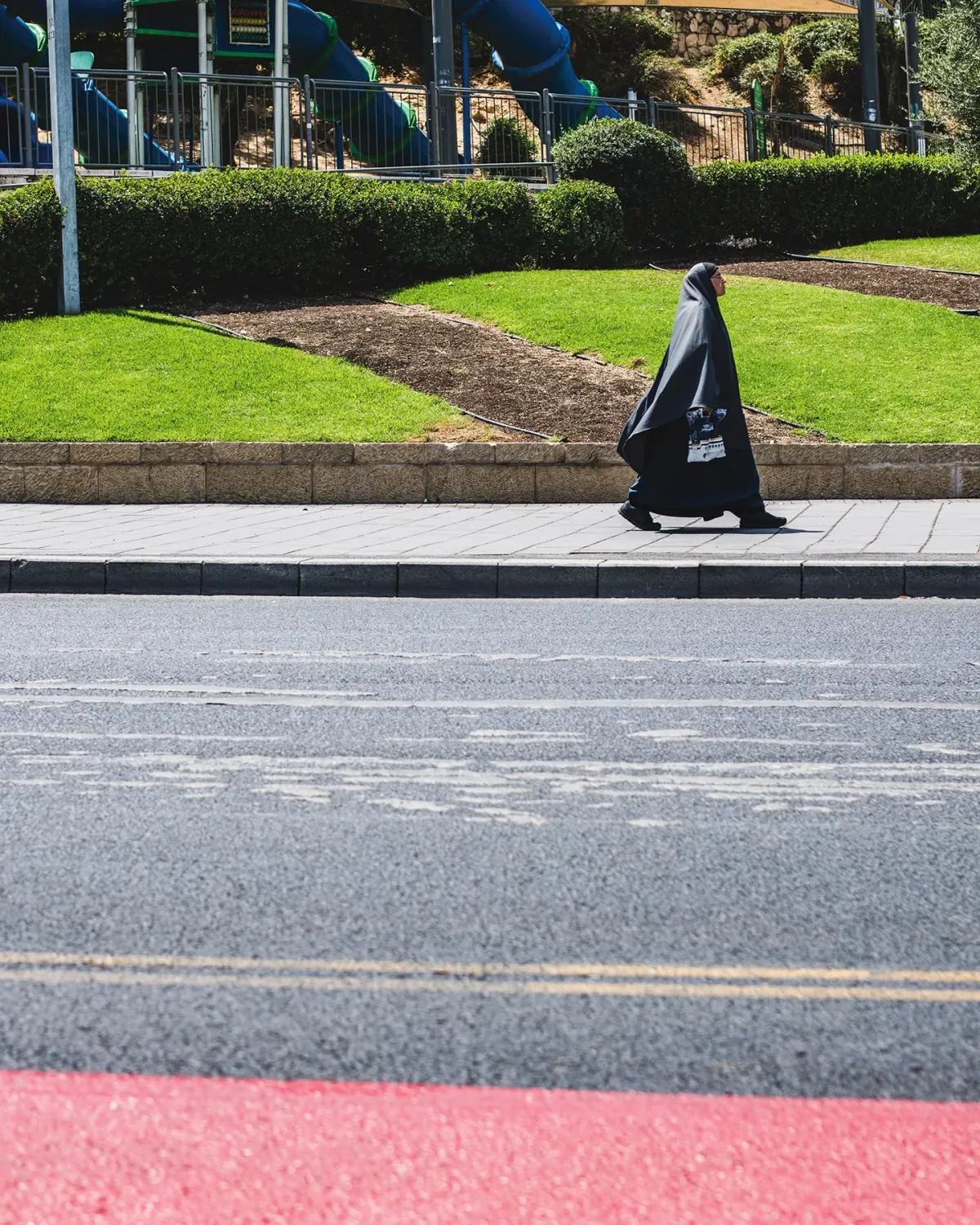
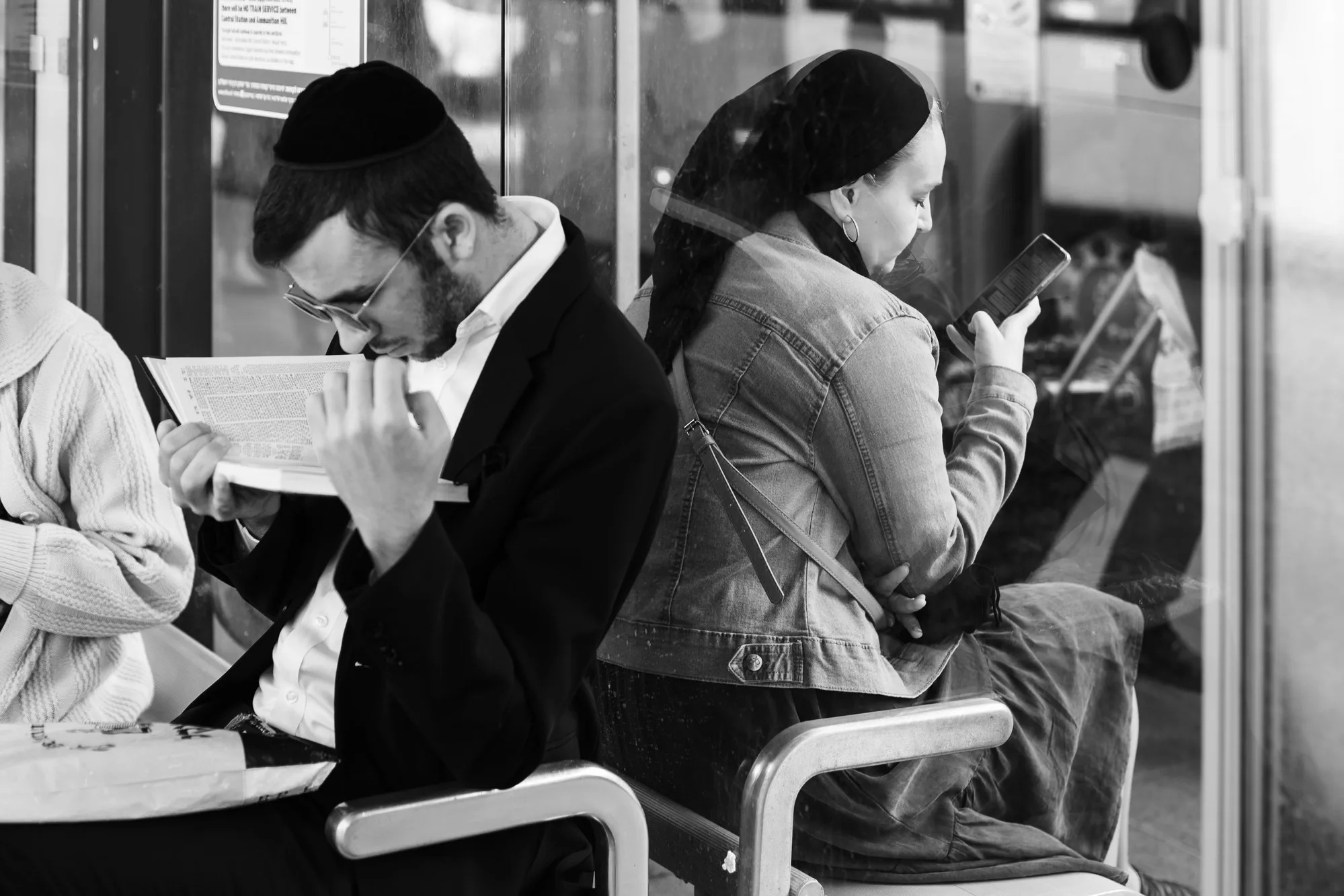
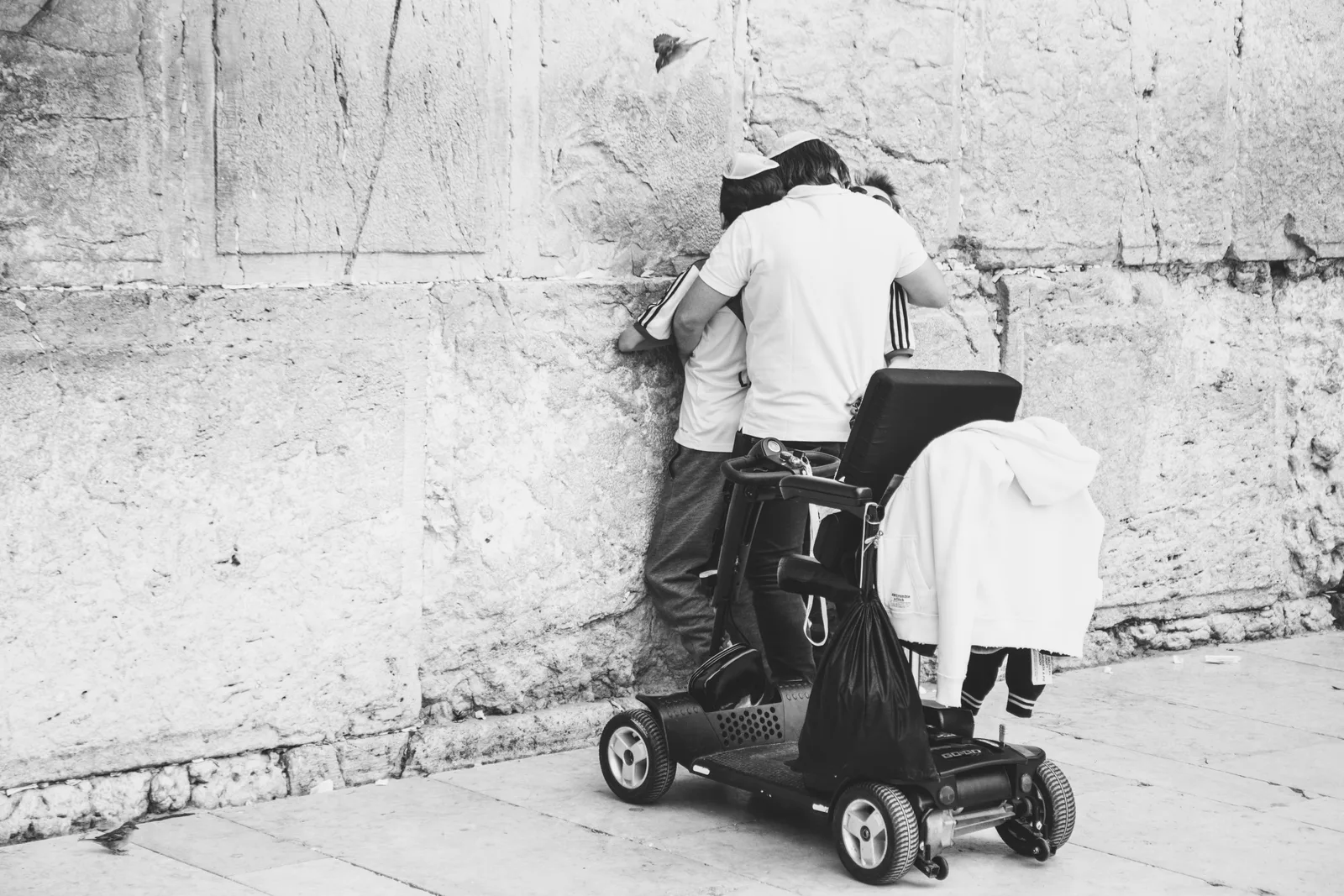
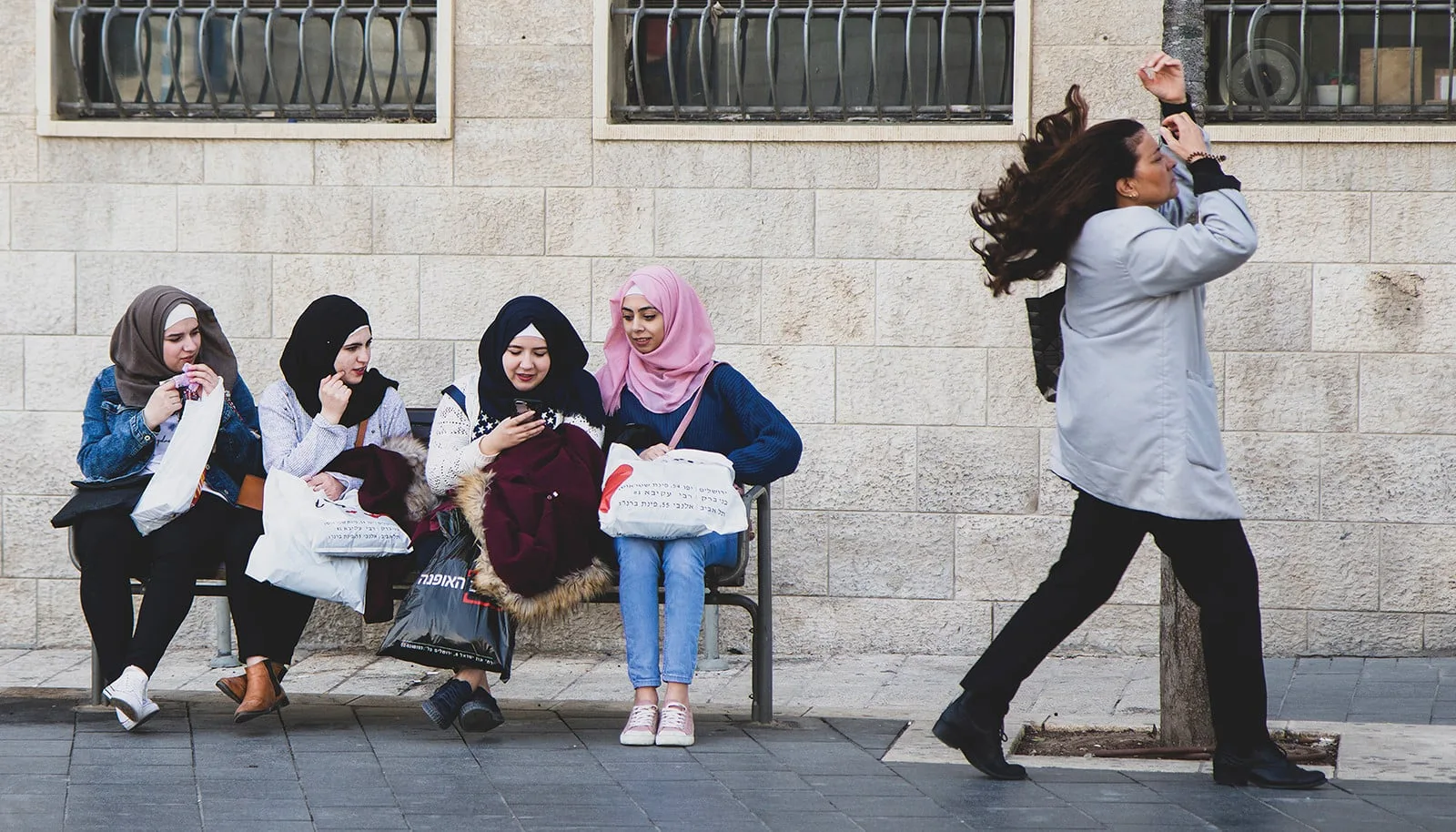
Contrasts — the old against the young, the worn against the new, the sacred against the secular. Jerusalem is full of contrasts like these on every corner.
Irony — when reality writes a joke no director ever could. A billboard that clashes with the scenery behind it. A man asleep directly beneath a "No Sleeping" sign.
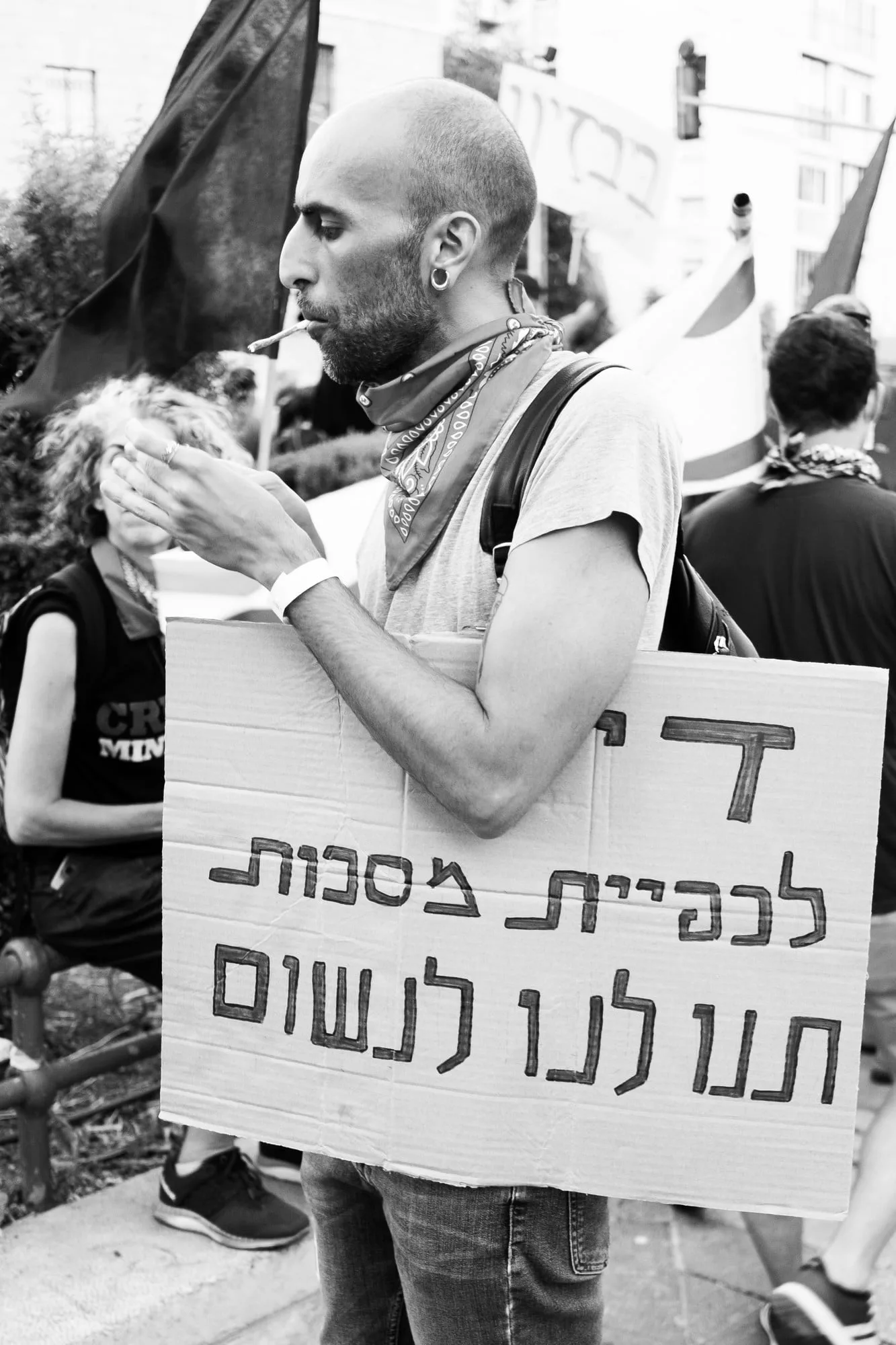
Layers — an image with a foreground, a middle ground, and a background, each telling its own part of the story.
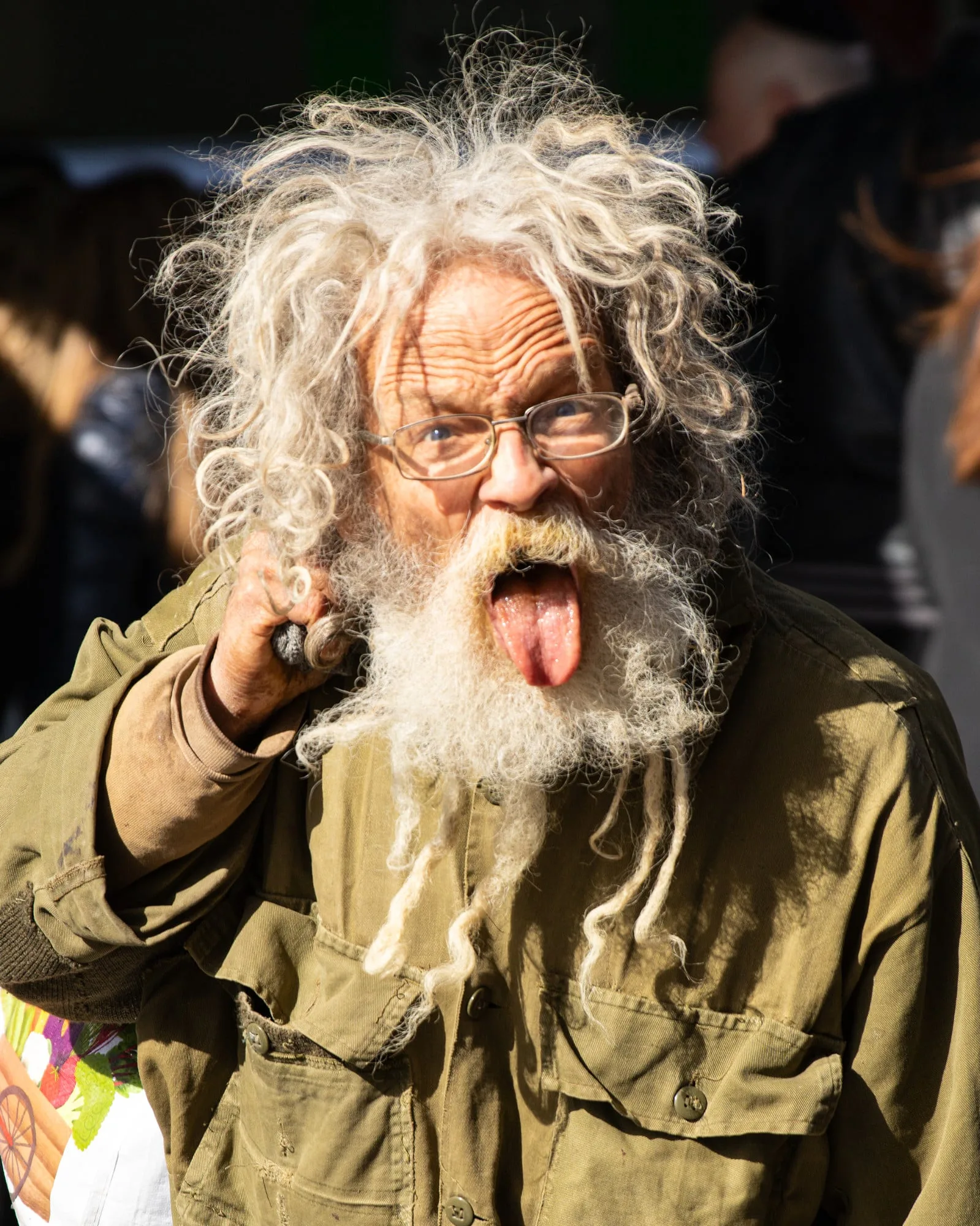
The human moment — laughter, an argument, an embrace, loneliness. The moments that remind us we're all human.
The most important rule of all
Get out on the street. Not tomorrow. Now.
Street photography isn't learned from books — it's learned from the street. Every hour you spend sitting and searching for information is an hour you could have spent shooting.
After 15 years of street photography in Jerusalem, I'm still learning. Every outing teaches me something new. And that's exactly what makes me love this genre.
From street photography to a book
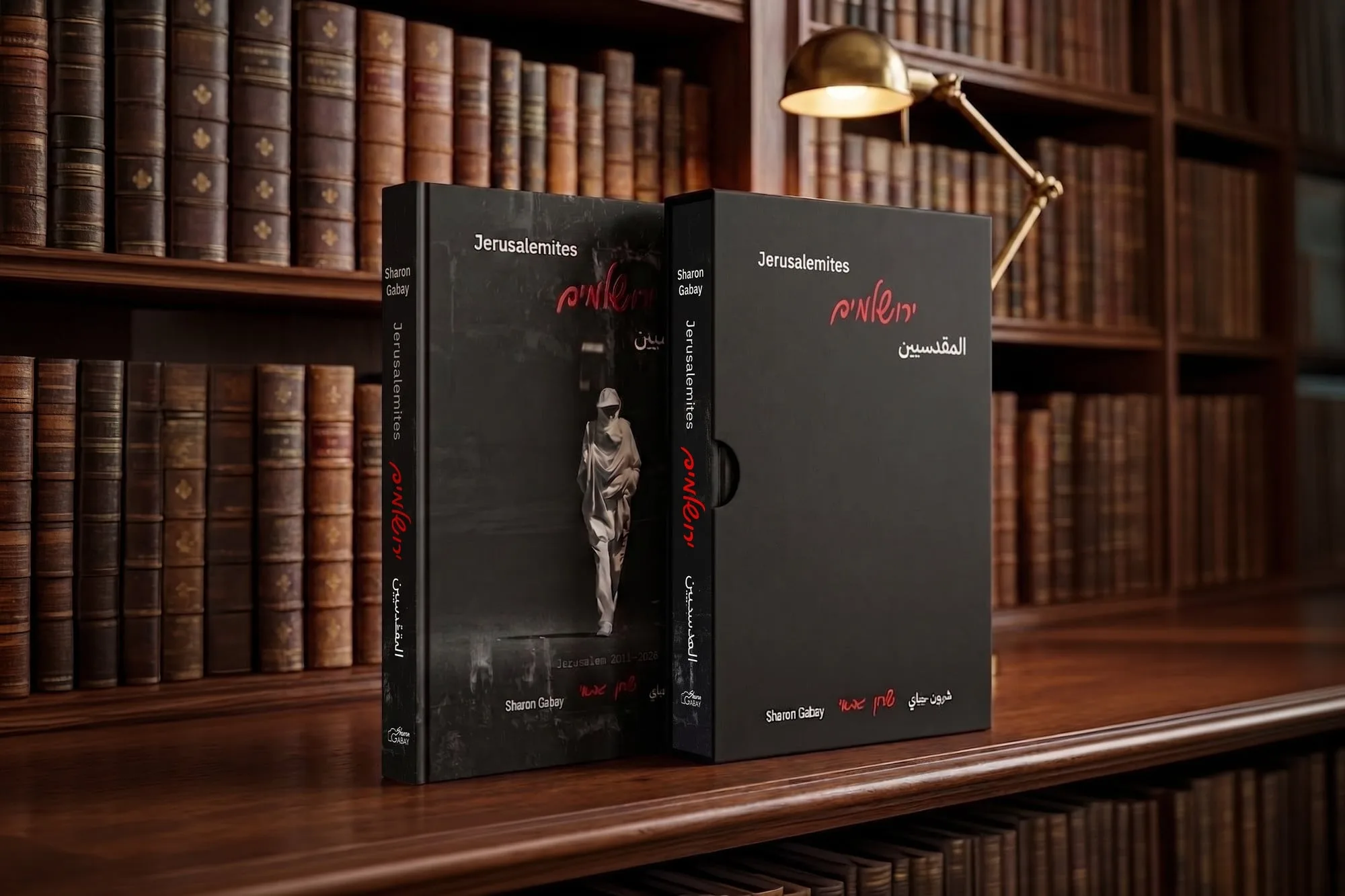
Everything I've written here I learned the hard way — 15 years of shooting in the streets of Jerusalem. The result is "Jerusalemites," my sixth photography book. A visual essay holding the best moments I caught on the street. If you want to see where street photography can lead when you stick with it — the book is available for purchase on the Jerusalemites page.
Frequently asked questions
- Do you need permission to photograph people on the street?
- In Israel, as in most democratic countries, you're allowed to photograph people in public spaces without permission. Commercial use of the images requires consent — artistic and journalistic documentation usually does not.
- Which camera is recommended for street photography beginners?
- Any small, unintimidating camera. A compact or a small mirrorless will do. Size matters more than the technical spec sheet.
- What is Zone Focusing and why is it useful?
- A technique where you preset your focus distance and aperture so that everything within a certain range stays sharp. It lets you shoot fast without refocusing each time — which is critical on the street.
- What's the difference between street photography and documentary photography?
- Documentary photography deals with a specific subject over time. Street photography deals with the spontaneous moment. The two complement each other, but differ in approach.
- How long does it take to learn street photography?
- A lifetime. And that's exactly the beauty of it.
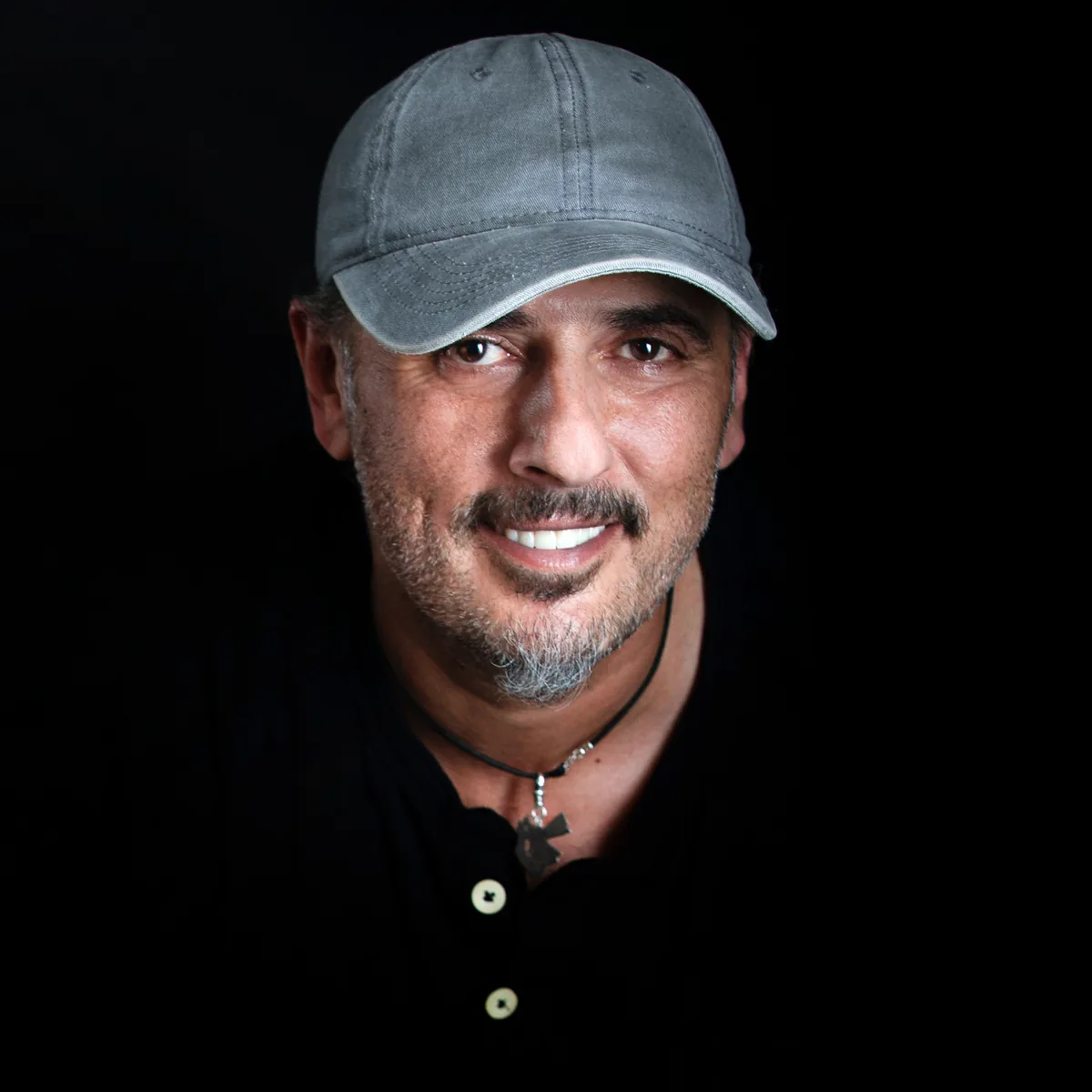
Written by
Sharon Gabay
Portrait, headshot & fine-art photographer · author of six photography books
More about Sharon Gabay →Related articles
Ready for a photo that works for you?
Tell me what you need and we'll find the right format together. We can shoot in my professional studio, or I'll come to you with a full mobile studio — anywhere in Israel.