
Light and Shadow in Portrait Photography | Sharon Gabay
How shadow shapes depth, emotion, and meaning in a portrait. Rembrandt lighting, chiaroscuro, and dramatic vs. natural light for professional portraits.
Professional portrait photography is never just a record of a person. It is a way to carry a precise, personal, and moving message. When it comes to portraiture, light and shadow matter enormously. Shadow is not merely the absence of light. It is an artistic tool that draws out depth, emotion, tension, mystery, or softness.
This article looks at how the right use of shadow in a portrait, and especially in a professional headshot, can transform the feeling an image conveys, reveal character, and forge a deeper connection with the viewer.
Light and Shadow as a Dramatic, Emotional Element in Portraiture
Working with shadow gives a portrait a sense of three dimensions. When one side of the face is lit and the other slips into shade, the image gains volume that mimics natural light. But it goes further than that. The darkness creates tension. A hard shadow sharpens strong lines, while a soft shadow brings a feeling of warmth and ease.
In a headshot, you can use shadow gently to soften features and emphasize structure. An experienced photographer knows how to control the angle of the key light so the shadows fall in a flattering way and flow with the natural architecture of the face.
A practical tip for photographers: if you don't have a professional lighting setup, you can begin with a side window in the morning or late afternoon. That soft, raking light produces a natural, gentle, flattering shadow, especially against a dark background.
Take Rembrandt lighting, a classic technique that places a small triangle of light beneath the eye on the shadowed side. It reads as sophistication, courage, and focus. It is a style that suits professionals who want to look serious yet approachable. Done well, it underlines the sitter's professional presence and gives the figure a depth and dimensionality that flat lighting could never achieve.
Shadow as a Revealer, Not a Concealer
Contrary to what many assume, shadow does not necessarily hide. Sometimes it reveals traits that full light would flatten away. When part of the face falls into shade, the gaze becomes more charged, more concentrated. Shadow forces the viewer's eye to settle in one place.
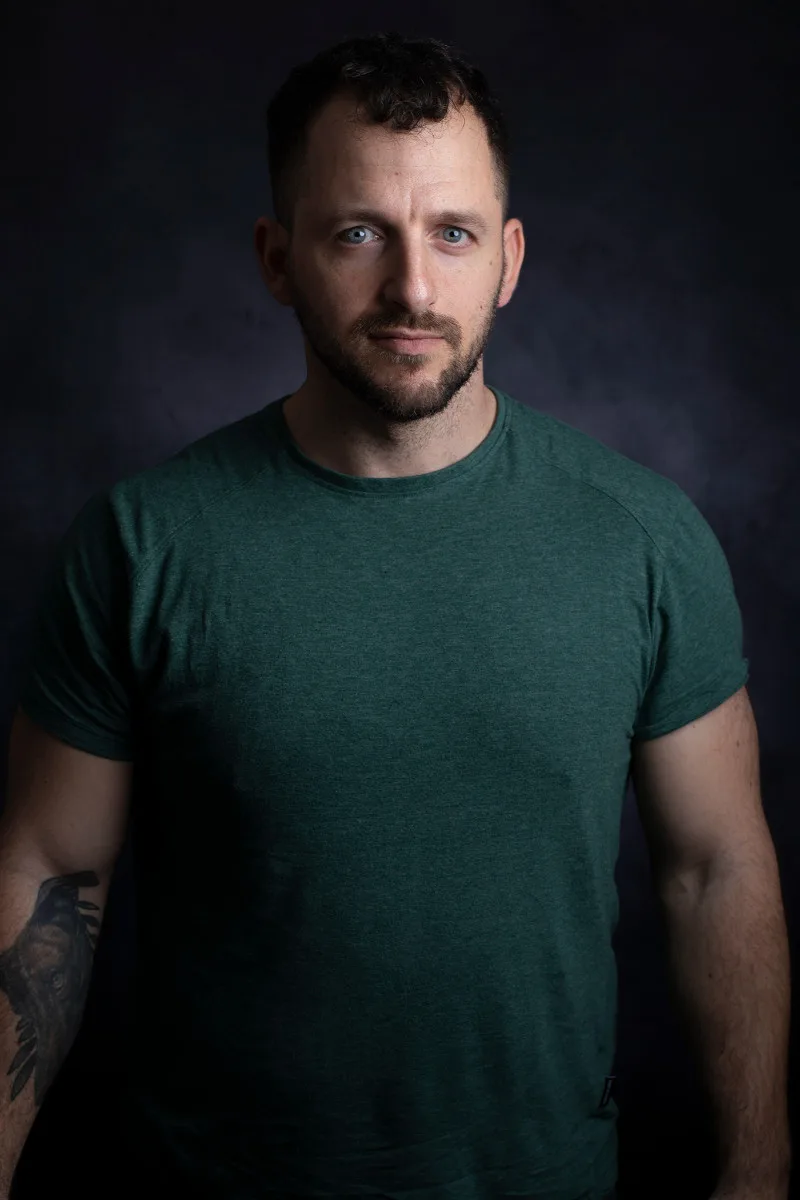
Dror
For public figures, executives, and independent professionals, these are precisely the moments to project authority, attentiveness, or intuition. Not every headshot needs to be flooded in white light. The opposite is often true. A measured use of shadow conveys maturity and self-assurance.
In professional portraiture, you can light one side of the face with natural light and let the other melt into a dark background. The contrast between light and shadow pulls the eye toward the eyes, and the result radiates quiet presence and inner strength, qualities that matter for so many professionals.
Beyond that, light and shadow can tell a story. Someone photographed partly in shadow often conveys inner complexity, a rich past, or emotional depth. This is not merely an aesthetic technique but a deliberate choice tied to the sitter's personal statement.
The Relationship Between Shadow, Background, and Soft Light
Shadow does not exist in a vacuum. The background and the lighting shape how it reads. A dark background (not black) paired with soft light produces a shadow that dissolves into the backdrop, so the face seems to float out of the darkness.
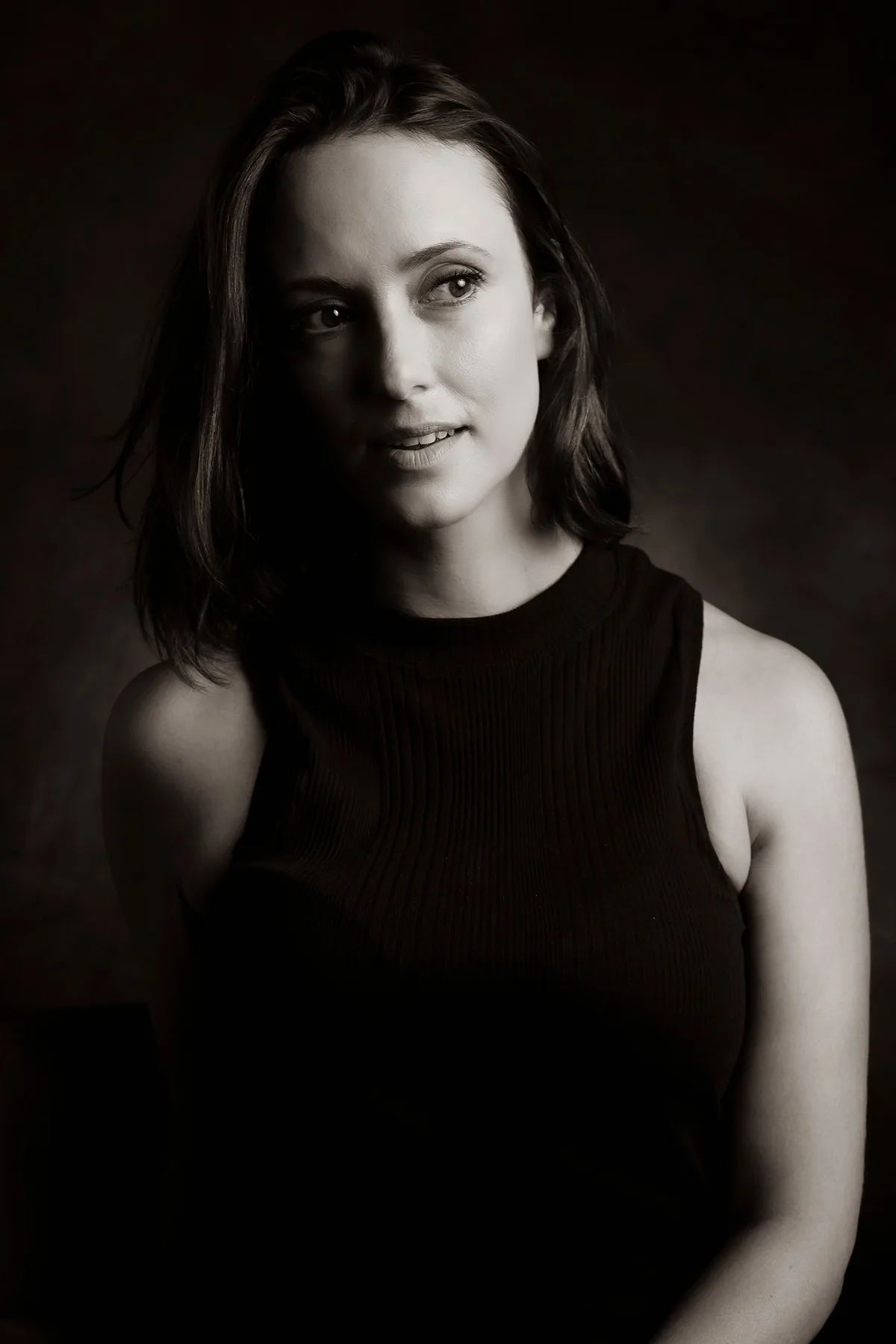
Journalist Gali Ginat
A tip for beginners: try a dark wall instead of a dedicated studio backdrop. As long as the light is soft and the frame is precise, the result will look professional. You can also hang a single-color cloth behind the sitter. In studio work, deep-toned velvets like burgundy or navy can lend the shadow real depth and richness.
Shadows can also tie the subject to the space. Casting a shadow on the wall behind emphasizes a person's presence in the room. When the shadow disappears into a dark background, by contrast, you get a sense of isolation that suits a more personal, self-contained, or introspective presentation.
Sources of Inspiration and Uses in Contemporary Photography
Cinema, particularly genres like film noir and psychological drama, is a powerful source of inspiration for working with shadow. In contemporary portrait work for magazines such as TIME or The New Yorker, you can see a clear trend toward partial light and heavy shadow used to build emotional depth.
According to PetaPixel, shadow is now considered one of the most important tools in building a visual narrative in portrait photography. In the studio and in available light alike, shadow is the element that shapes a message, defines boundaries, and connects a person to the feeling they want to convey.
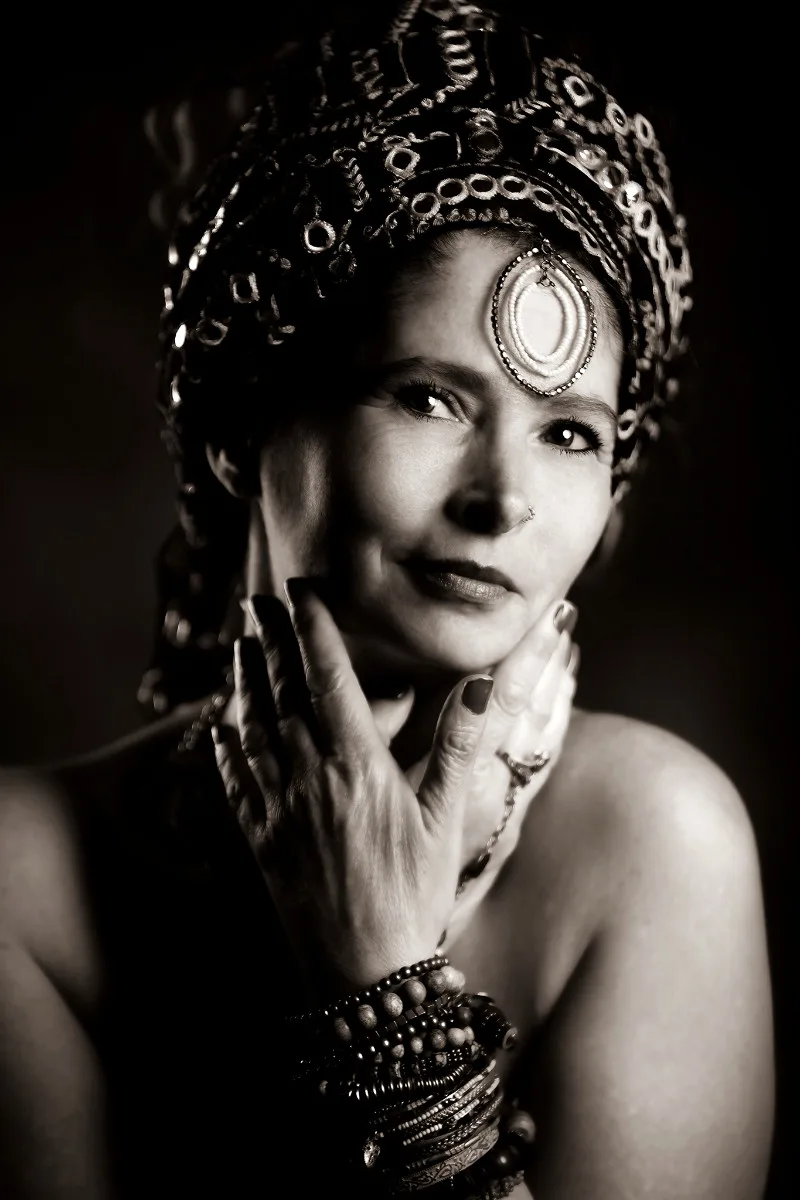
Idit
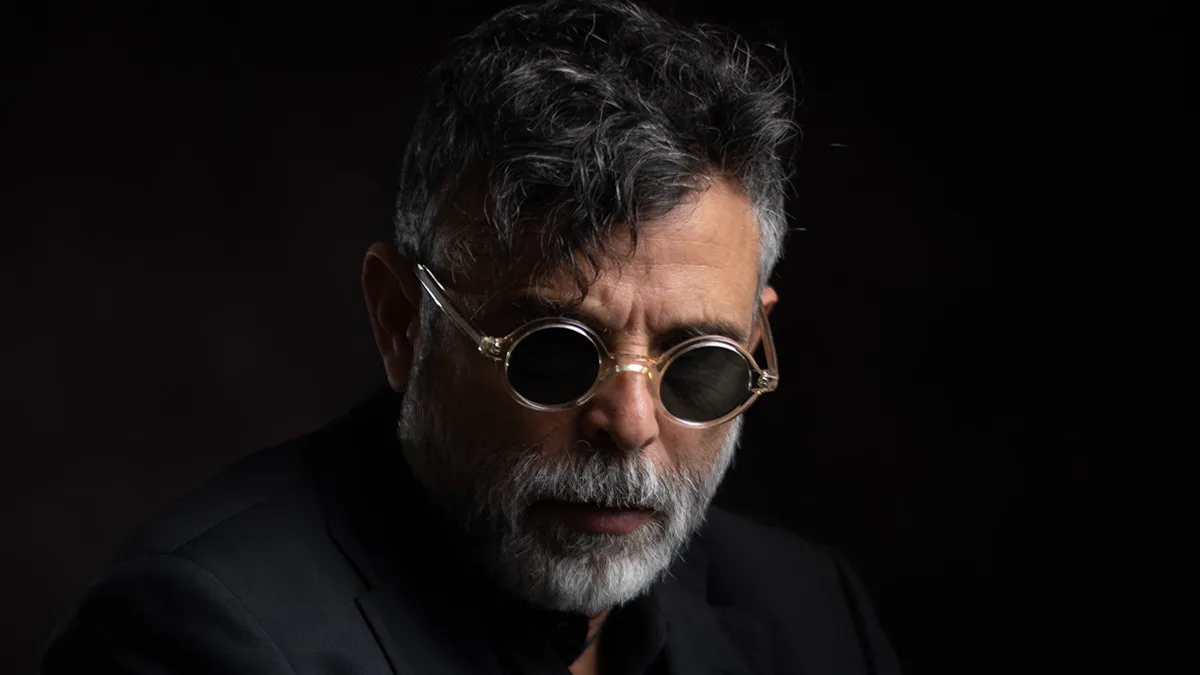
A personal note: I photographed Nobel laureate Professor Aaron Ciechanover in soft light with a pronounced side shadow. The images conveyed intellect and humility, exactly like the man behind the lens.
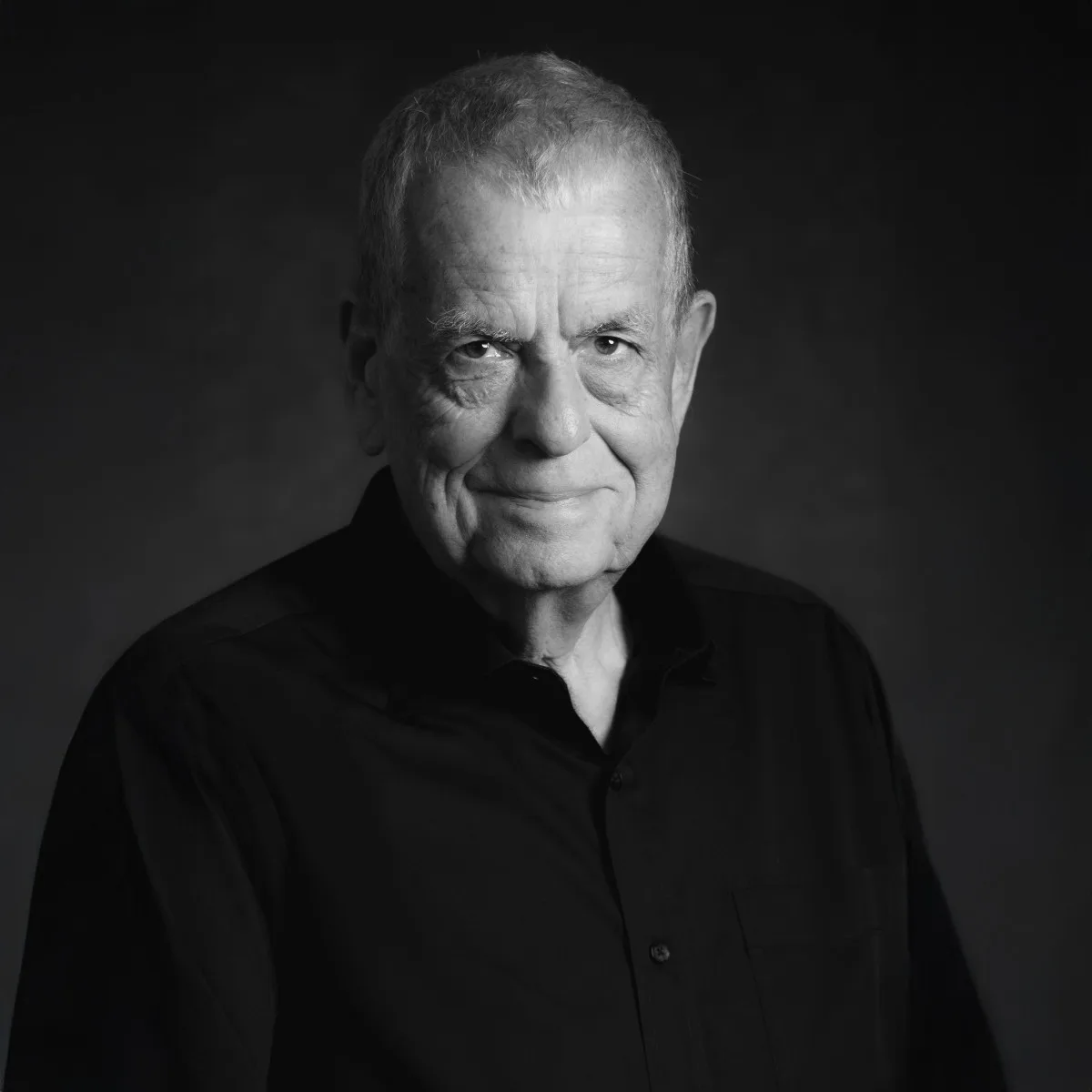
Professor Aaron Ciechanover
When photographing senior figures such as professors or scientists, you can use soft light with a pronounced side shadow. That kind of lighting against a neutral background conveys intellect and humility and emphasizes the sitter's natural presence.
How Does Shadow Shape the Message and Depth of a Portrait?
In a headshot, shadow can serve as a tool for underscoring personal or professional identity. For an introverted person, shadow can convey gentleness and restraint. For a senior executive, shadow can amplify presence and frame the figure as authoritative.
Precise shadow can reflect a meticulous professional approach, deep thinking, or an artistic sensibility. Combined with steady body language, it can reinforce messages of stability, authority, and attentiveness.
A tip for beginners: don't be afraid to experiment. Even a smartphone photo with a side window and natural light can create quality shadow, especially if you place the subject half a step behind the line of light. You can also experiment with editing apps that give you better control over shadow and light after the shoot.
Shadow creates a sense of truth. It shows a person as they are, not only on the outside but on the inside too. That is what lets a viewer feel closeness, even through a screen. And precisely for that reason, the right shadow is not an effect. It is an essential choice.
In my own creative process, I pay close attention to the way shadow shapes a portrait, because it is what gives the sitter's face the volume and authority the image needs.
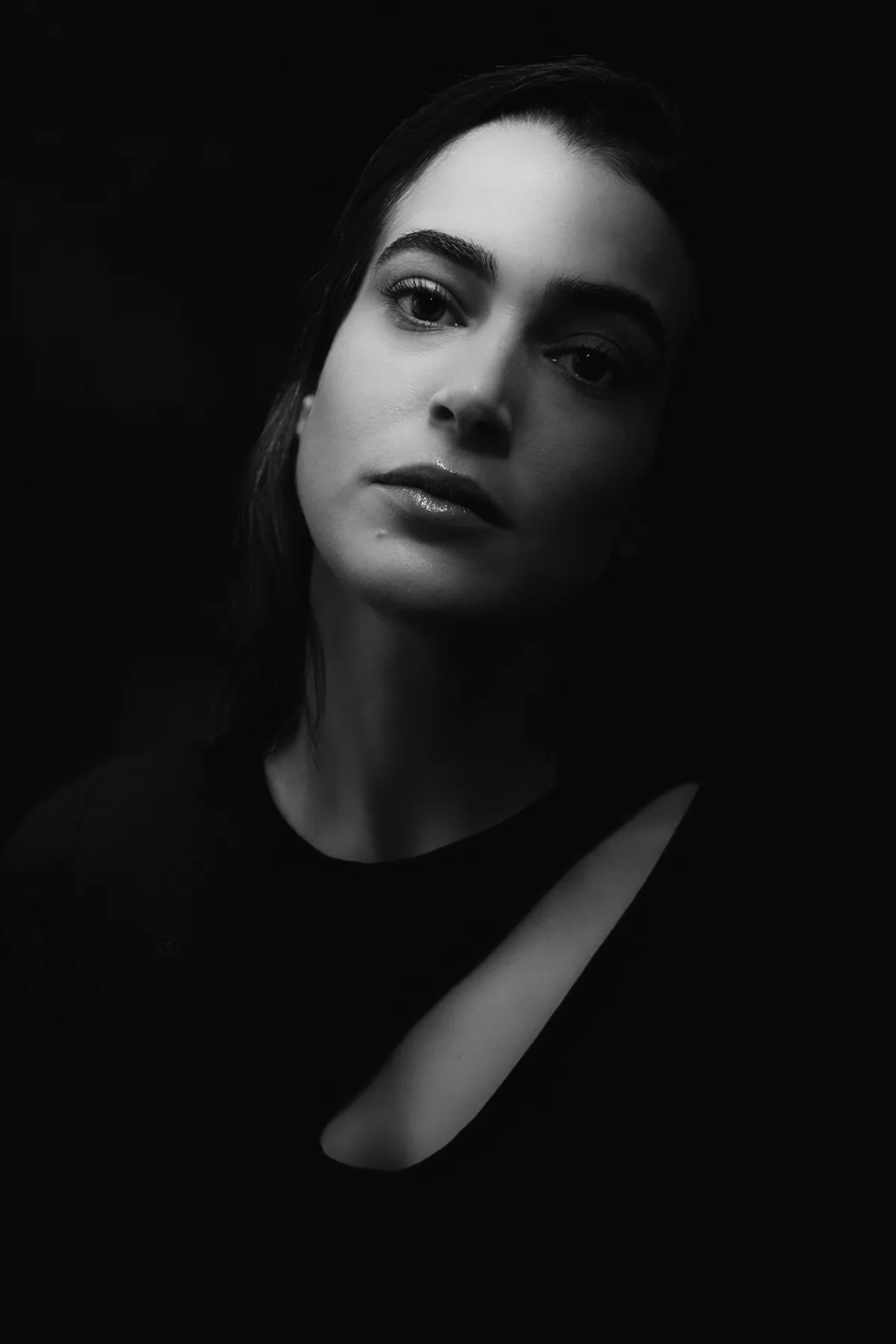
Rembrandt Lighting: The Classic Technique
Rembrandt lighting is one of the most widely used techniques in headshot photography. The light source sits at roughly 45 degrees to the face and above eye level, so one side is lit and the other falls into shadow, except for a small triangle of light on the cheek. The composition is flattering, builds depth, and conveys authority and maturity, exactly what executives and public figures need to project.
Frequently asked questions
- How does shadow affect a portrait?
- Shadow gives a portrait a sense of three-dimensionality. When one side of the face is lit and the other falls into shade, you create depth, tension, and presence, and that builds an emotional connection with the viewer.
- What is the difference between dramatic and flat lighting in portrait photography?
- Flat lighting illuminates the face evenly and suits approachable, friendly images. Dramatic lighting uses shadow to build depth, character, and authority, which is ideal for a portrait meant to convey strength and professionalism.
- What kind of lighting works best for a professional headshot?
- It depends on the message. Soft, flattering light suits therapists, coaches, and consultants. Dramatic light with shadow suits executives, lawyers, and public figures who want to project authority.
- What is Rembrandt lighting in portrait photography?
- Rembrandt lighting is a technique in which light comes from one side and forms a small triangle of light on the shadowed cheek. The name comes from the painter Rembrandt, who used it in his work. It is one of the most widely used techniques in professional portrait photography.
- Is a dramatic light-and-shadow style right for every business owner?
- The style is especially suited to anyone who wants to convey expertise, depth, and authority, such as lawyers, senior executives, or artists. That said, you can soften the contrast to fit professions that call for more warmth and approachability, without giving up the visual depth.
- What is the difference between a "flat" headshot and one with depth (chiaroscuro)?
- A flat headshot uses even light that erases shadows and can look generic. Chiaroscuro (the interplay of light and shadow) makes a portrait three-dimensional. An image like that grabs the eye in a digital feed far faster and sets a business owner apart from the competition.
- How do you keep a natural look when using this kind of artistic lighting?
- The secret is precision and professional light modifiers. The goal is not an artificial look but using light to flatter the natural features and convey authenticity. My approach focuses on minimal retouching and maximum use of physical light to achieve the result in camera. ## In Closing A good headshot is built from a whole set of small decisions, and among them, shadow may be the least understood yet one of the most powerful. Shadow creates emotional depth, emphasizes presence, and invites the viewer to interpret rather than simply look. Shadow is not a mistake to be corrected. It is a tool to be used with intent. A headshot that understands this creates a portrait that stays in the memory.
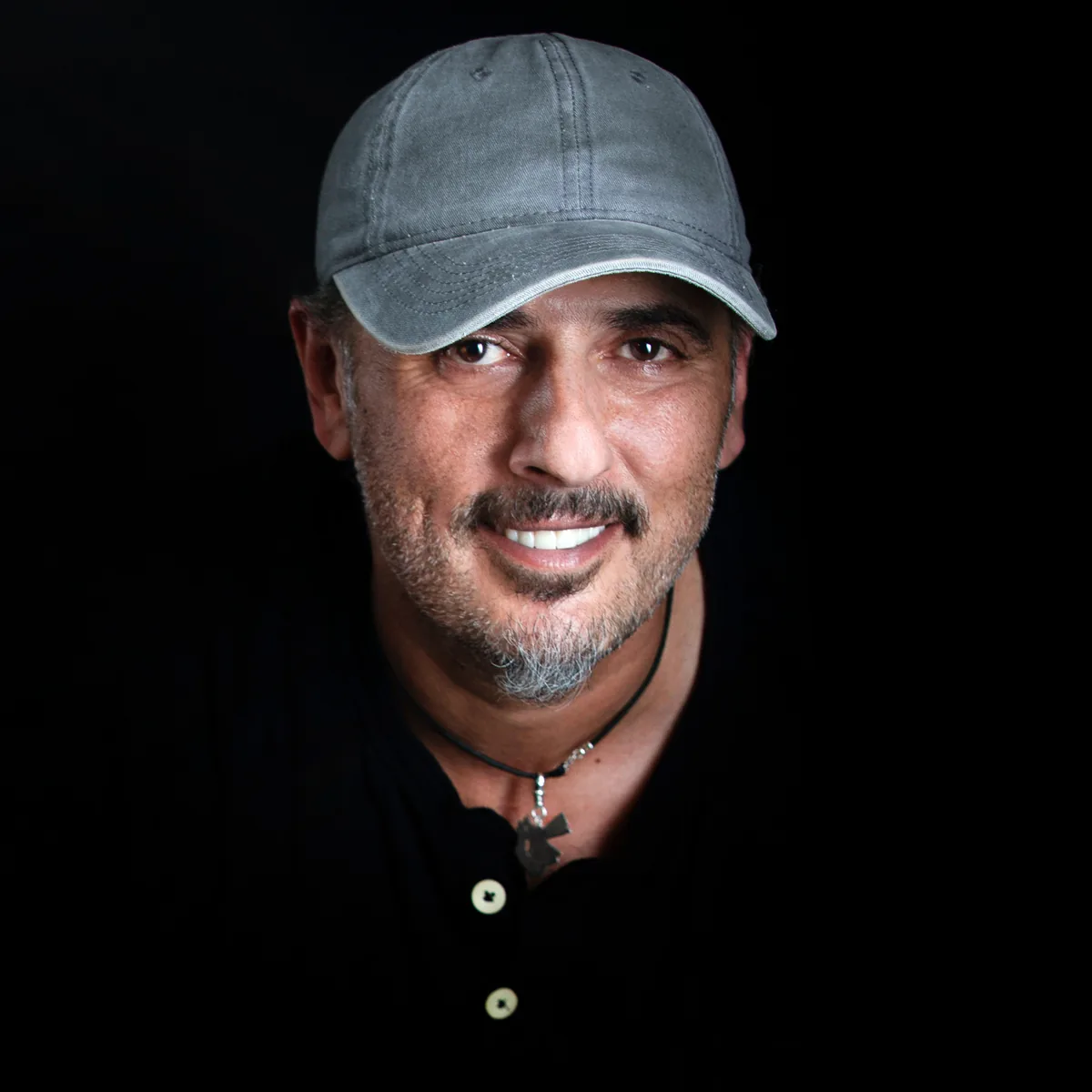
Written by
Sharon Gabay
Portrait, headshot & fine-art photographer · author of six photography books
More about Sharon Gabay →Related articles
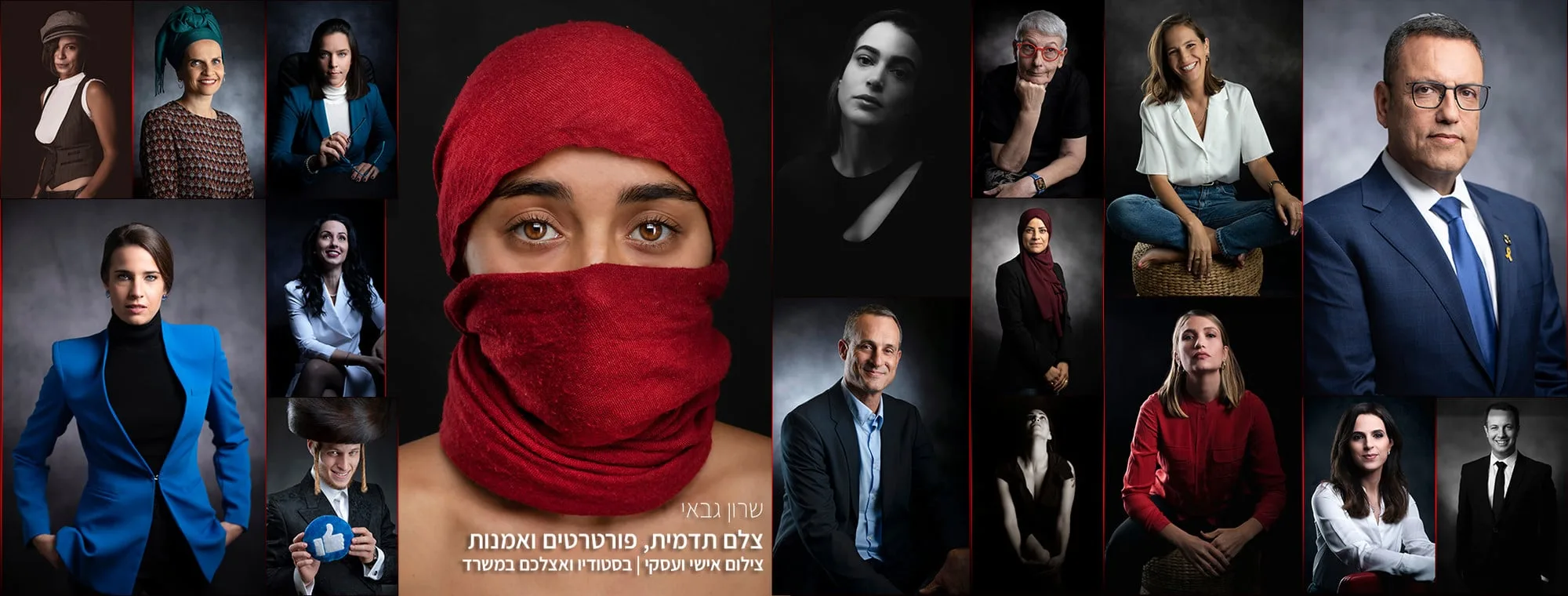
Ready for a photo that works for you?
Tell me what you need and we'll find the right format together. We can shoot in my professional studio, or I'll come to you with a full mobile studio — anywhere in Israel.