
Famous Portrait Photographers: Inspiration | Sharon Gabay
Famous portrait photographers like Karsh, Leibovitz and Avedon — techniques and inspiration you can apply to headshots and business portraits.
Bringing inspiration from famous portrait photographers into your own work
The history of photography is full of people who pressed a button — but only a few managed to press the heart. The great portrait photographers were never just technicians or artists. They were intermediaries between the viewer and the person before the lens, sometimes within a single fraction of a second.
This article introduces four remarkable photographers who created portraits that became icons — and through them we can understand what to carry into the world of contemporary business portraiture.
Yousuf Karsh: Power in a Gaze
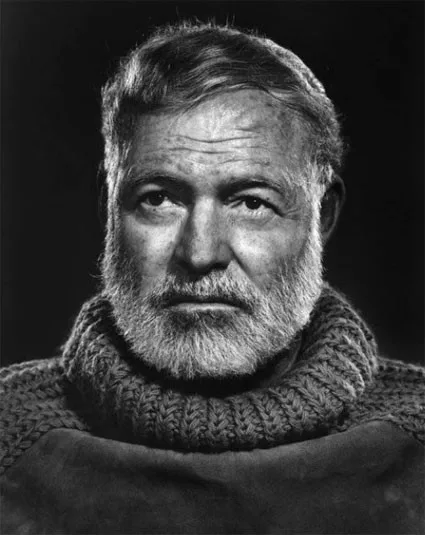
Perhaps the greatest portraitist of the twentieth century. Karsh photographed Churchill, Einstein, Hemingway, Kennedy and many more. His images did not merely document his subjects; they shaped how the world would picture them.
The most famous of all is his 1941 portrait of Winston Churchill. The gaze is piercing, the lips set hard, the hands gripping the back of a chair. What the public never saw: moments before the shot, Karsh reached over and plucked the cigar from Churchill's mouth. That glowering look is entirely real.
What is the lesson here? To truly photograph a portrait is to create a moment, not just capture one. In business portraiture too, you sometimes have to break the expected in order to expose something true. In my projects with executives and business leaders, I look for a moment of surprise or a break from the routine. While photographing the CEO of a tech company, for example, I asked him to take a real phone call during the session. The result was an authentic expression of focus and assertiveness that no ordinary pose could have produced.
Annie Leibovitz: Between Personality and Fantasy
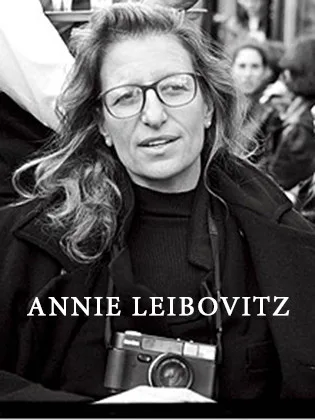
Leibovitz, the house photographer of Rolling Stone and later Vanity Fair, is known for portraits that are at once elaborate, theatrical and deeply personal. She photographs the person, but also the persona — and at times she dismantles it.
Her photograph of John Lennon and Yoko Ono — he naked, curled against her fully clothed body — was taken just hours before he was murdered. The image became a symbol of vulnerability, love and a reversal of gender roles.
What can we take from her into business portraiture? Not to be afraid of strangeness, of emotion, of concept. When the story is clear, even an unexpected frame will feel exactly right. A creative portrait photographer can, and should, offer a singular point of view.
Dror
In my work with artists and creators, I draw inspiration from Leibovitz's approach. Photographing an orchestra conductor, I used theatrical lighting and placed her with her back to the camera, glancing over her shoulder. The pose conveyed the tension between the private and the public in her professional life.
Richard Avedon: A Minimalism That Breaks the Silence
Avedon is known for his iconic white backdrop and for frontal, almost clinical portraits. Yet behind that cleanness lies real force. His series of American working people, "In the American West" from 1985, was shot without masks: sweat, creased skin, heavy eyes.
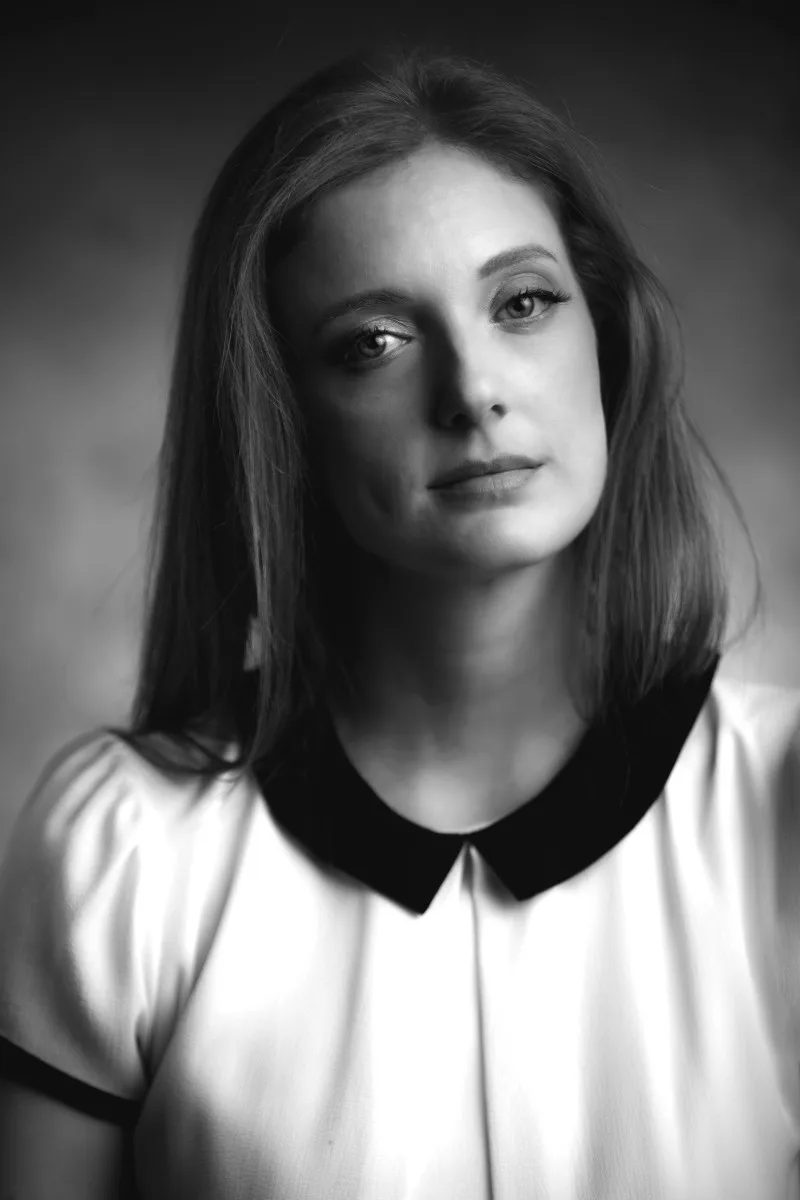
Why does this matter for business portraiture? Because sometimes simplicity is stronger than anything else. You do not need a colorful background or excessive styling. You need to place the person in the right frame. The silence will do its work.
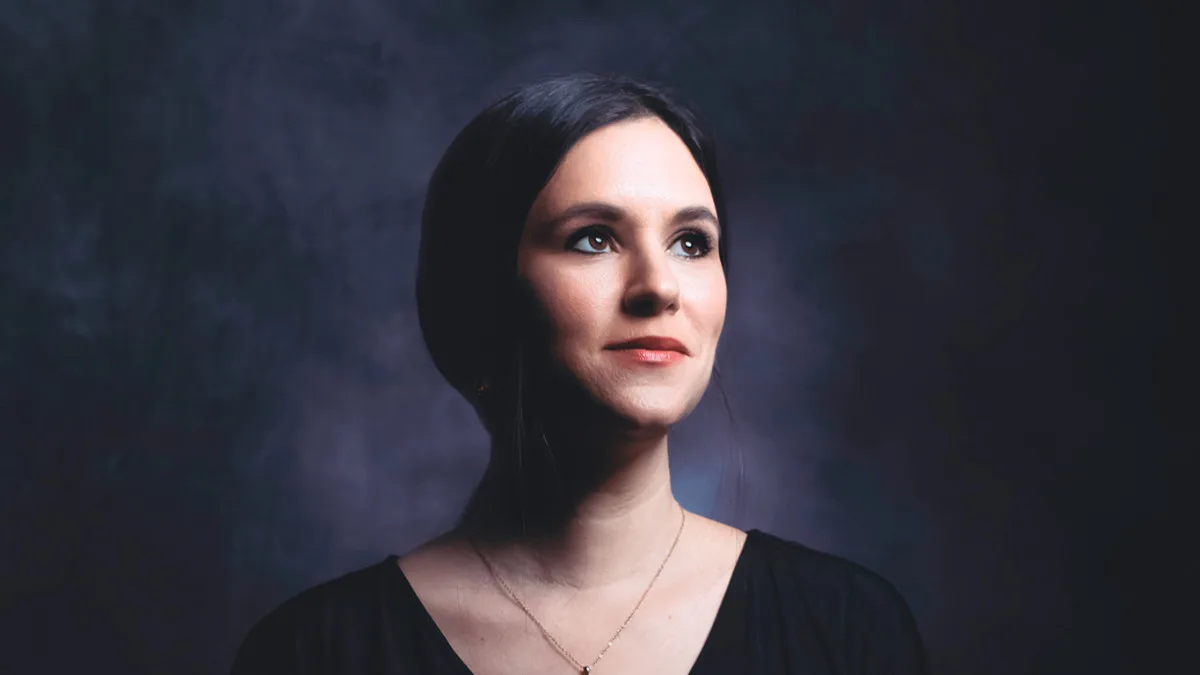
Moria
Avedon's minimalist approach has a strong influence on my work with professionals. In a series I created for a Jerusalem law firm, I used a plain white background and photographed every attorney from the same direct, frontal angle. The subtle differences in their personalities and presence stood out precisely because of that uniformity and simplicity.
Ziv Koren: Documentary Within the Israeli Portrait
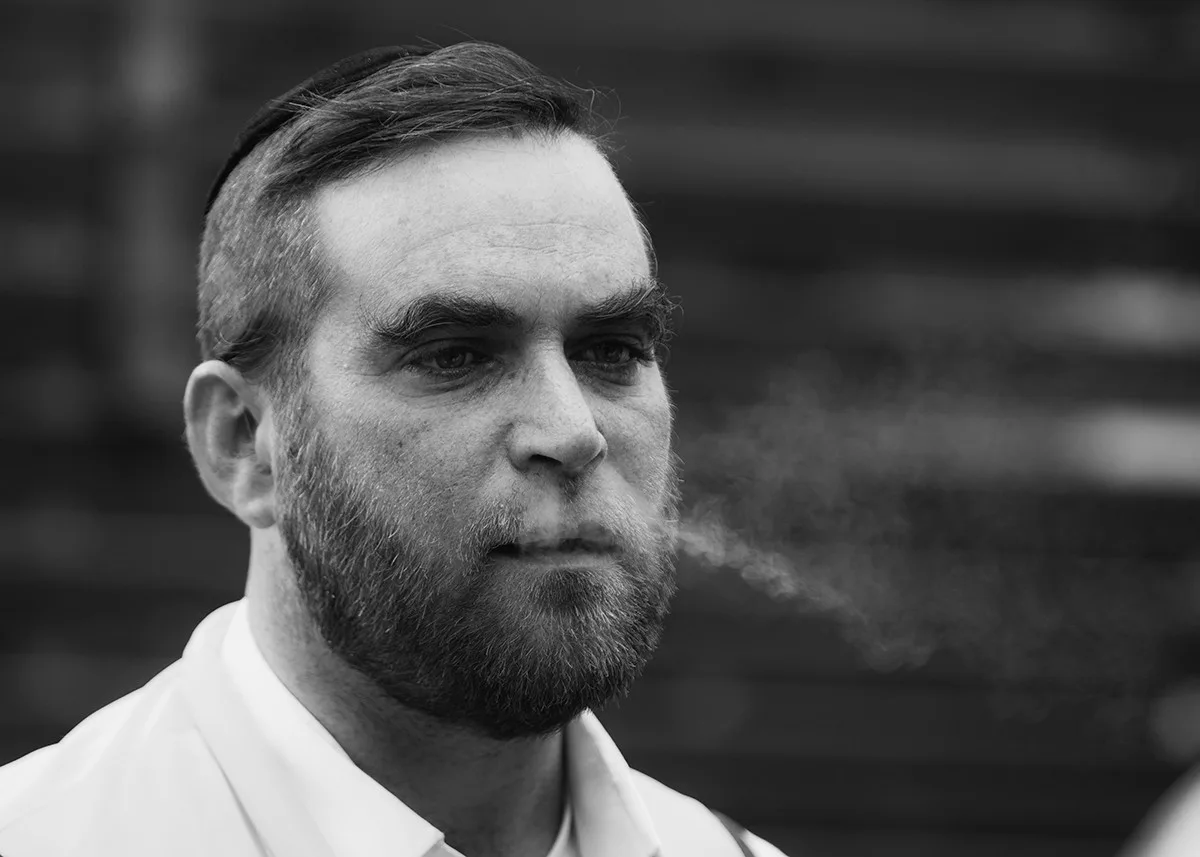
Moving to the local scene, Ziv Koren excels at fusing photojournalism with the personal portrait. Even in difficult field conditions, he forges an emotional connection between subject and viewer.
His portraits from wars, from security operations, from protests, all carry an inward gaze. This is documentary photography that never gave up on composition, lighting or meaning.
ZAKA volunteer — Kibbutz Kfar Aza — October 2023
What does this teach us? That even when you are photographing a professional in a bright office, you can ask yourself: where is the story? What do the eyes say? What can be revealed without words?
Ziv Koren's photojournalism presents a distinctive approach to documentation. In portraiture and business photography, it is essential to develop a personal style and an independent approach suited to the kind of work and the target audience.
A Further Israeli Dimension: Local Gazes
Israeli photography has a character of its own — the meeting point of tradition and modernity, of East and West, of Middle Eastern intimacy and a Western eye. As an Israeli photographer, I am also shaped by photographers such as Micha Bar-Am, Alex Levac and Shimon Atias, who managed to capture this dialectic in their portraits.
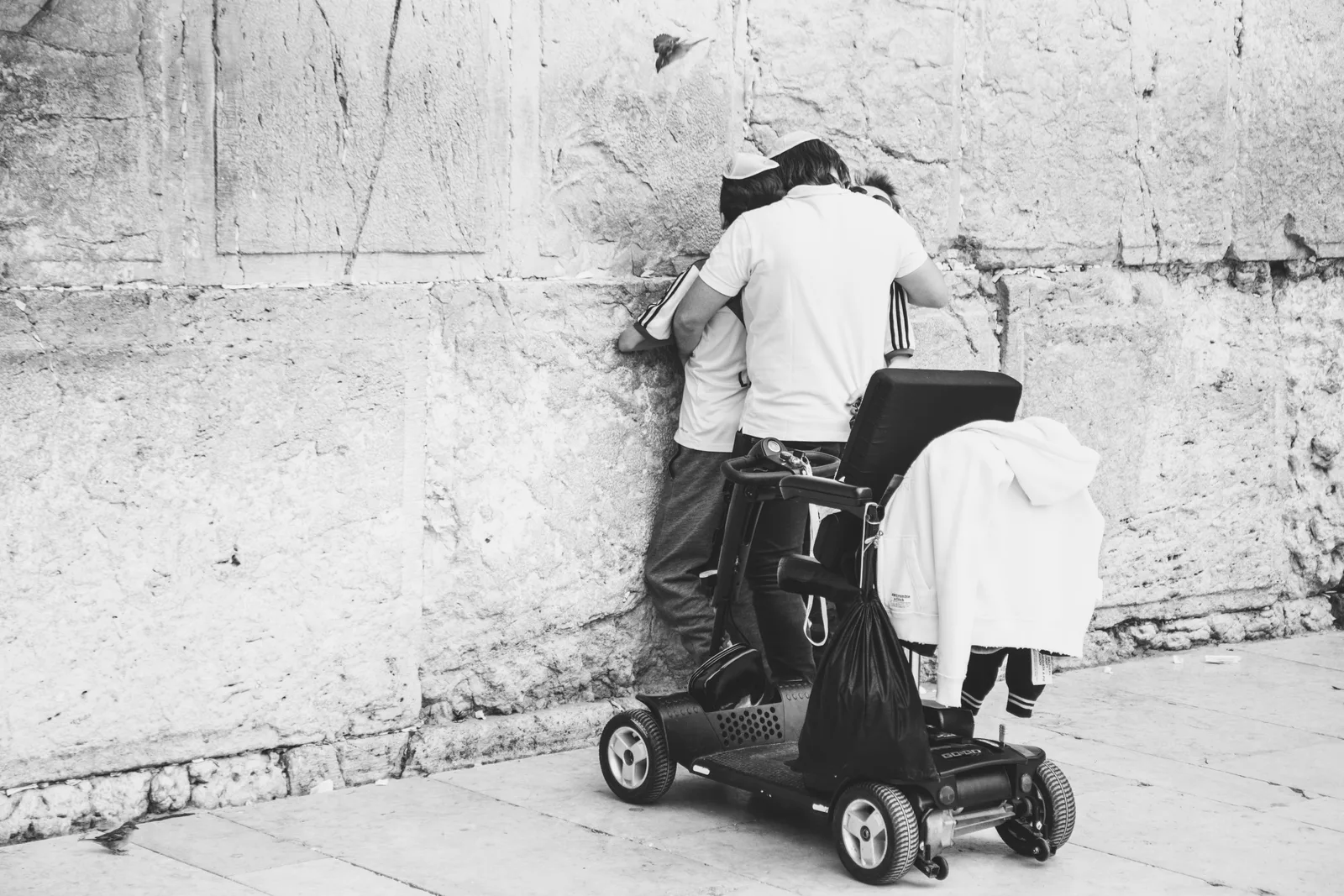
While shooting the photography book "Jerusalem: Nine Measures of Beauty" (Korim Publishing, 2015), I searched for faces that tell the Jerusalem story — faces that are a crossroads of cultural, historical and religious encounters. Working in Jerusalem's singular light is at once a challenge and a blessing.
To book a portrait session that draws on techniques from the great masters of the field, get in touch or visit the services & pricing page to see the packages.
Frequently asked questions
- Who are the most famous portrait photographers in history?
- Among the most influential portrait photographers are Yousuf Karsh, Annie Leibovitz, Richard Avedon and Martin Schoeller. Each developed a distinctive visual language that shaped the world of modern business portraiture.
- How can you apply the techniques of famous portrait photographers to your own headshots?
- You can borrow principles such as Karsh's dramatic lighting, Leibovitz's gift for revealing personality, or Avedon's minimalism — to create portraits with depth and a character all their own.
- What is the difference between fine-art portraiture and business portrait photography?
- Fine-art portraiture centers on personal expression and the photographer's vision. Business portraiture centers on a professional representation of the subject — an image that conveys credibility and authority to a commercial audience.
- Why is it worth studying famous portrait photographers?
- Understanding how the masters worked — lighting, composition, connection with the subject — enriches the approach of a professional portrait photographer and makes it possible to create images with the depth and character that set them apart from generic work.
- Which portrait photographers are considered the greatest sources of inspiration for business portraiture?
- This article surveys the work of giants such as Yousuf Karsh, Annie Leibovitz, Richard Avedon and Ziv Koren. Each of them revolutionized the way we perceive key figures, and their techniques serve as direct inspiration for creating business portraits with depth and presence.
- What can be learned from Yousuf Karsh's style for photographing executives and leaders?
- Karsh specialized in dramatic, sculptural lighting that revealed the "soul" of the subject. For executives, learning from his style makes it possible to create images that convey timeless power, authority and profound seriousness, while paying attention to the smallest details of expression.
- How does Richard Avedon's "minimalism" help modern personal branding?
- Avedon is known for his clean, white-background images that peel away the layers from the subject until their authentic personality is revealed. This approach is more relevant than ever in the digital age, where a neutral, distraction-free background lets the subject's personal message and self-confidence take center stage.
- What is the value of "visual storytelling" inspired by Annie Leibovitz?
- Leibovitz is known for her ability to weave environment and context into the portrait. Inspiration from her allows us to create portraits that are not merely "head shots," but tell the client's professional story through smart composition and the natural use of their working environment.
- Why is it important for a portrait photographer to know the history of the medium?
- History provides the visual "language." When I draw on the masters, I can give my clients a result that goes beyond a passing trend. That connection to artistic depth ensures the image will stay relevant, authoritative and striking for many years. ## In Closing: Inspiration That Enters Through the Lens Each of these photographers uses different tools — light, background, technique or daring — but they were all searching for one thing: the person behind the image. Quality business portraiture does not try to flatter. It tries to be precise. You too, as a photographer, are not only one who takes pictures but one who interprets — both your subjects and yourself.
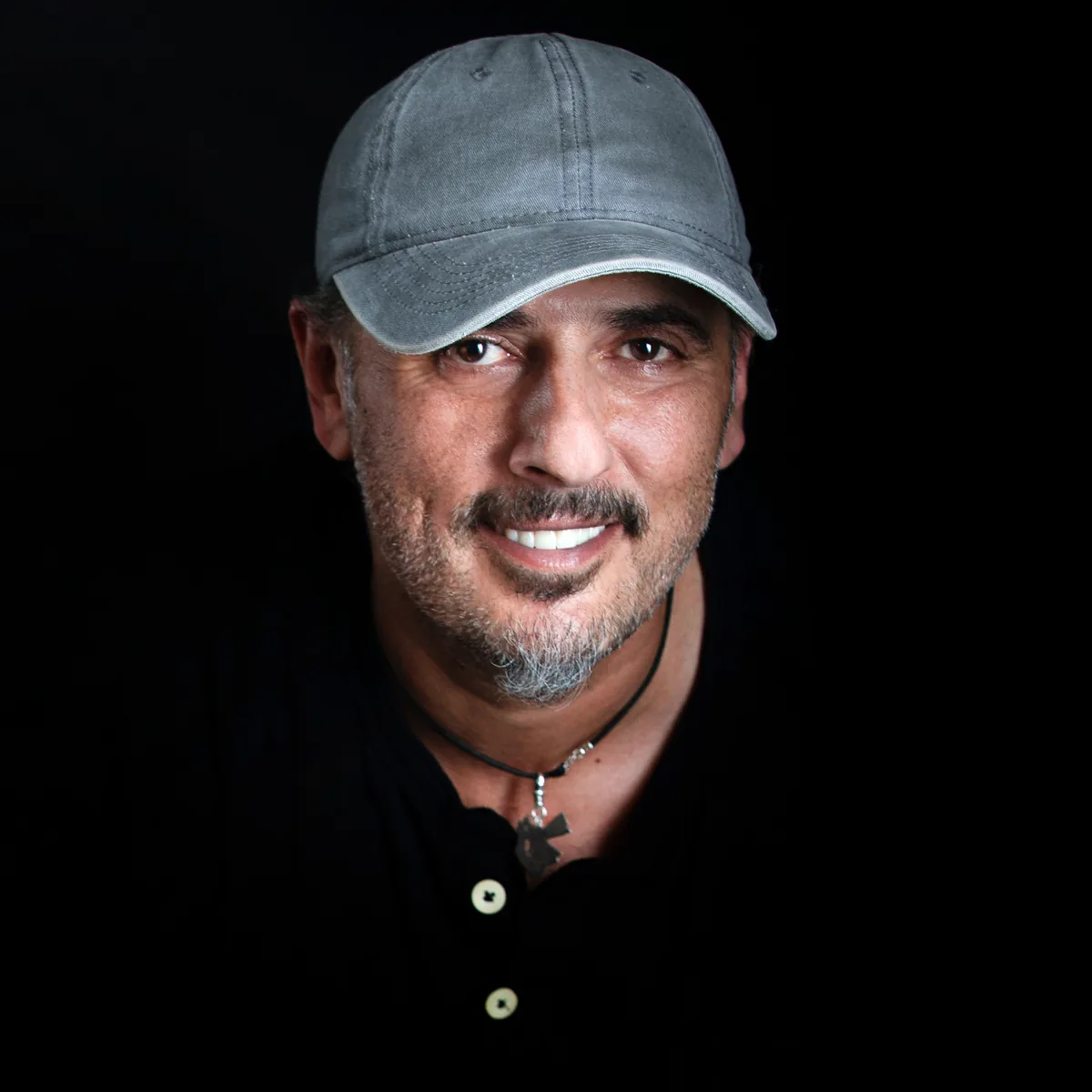
Written by
Sharon Gabay
Portrait, headshot & fine-art photographer · author of six photography books
More about Sharon Gabay →Related articles
Ready for a photo that works for you?
Tell me what you need and we'll find the right format together. We can shoot in my professional studio, or I'll come to you with a full mobile studio — anywhere in Israel.