
Body Language in Portrait Photography | Sharon Gabay
How body language in portrait photography builds authority and trust. Sharon Gabay on posture, expression and eye contact for a winning portrait.
Body language in portrait photography is everything the subject conveys, even without saying a word. A good photograph emphasizes what's already there, and removes what gets in the way.
A business portrait is a quiet ambassador for your professionalism. Beyond the choice of lighting and background, body language is one of the most decisive factors in the first impression you create.
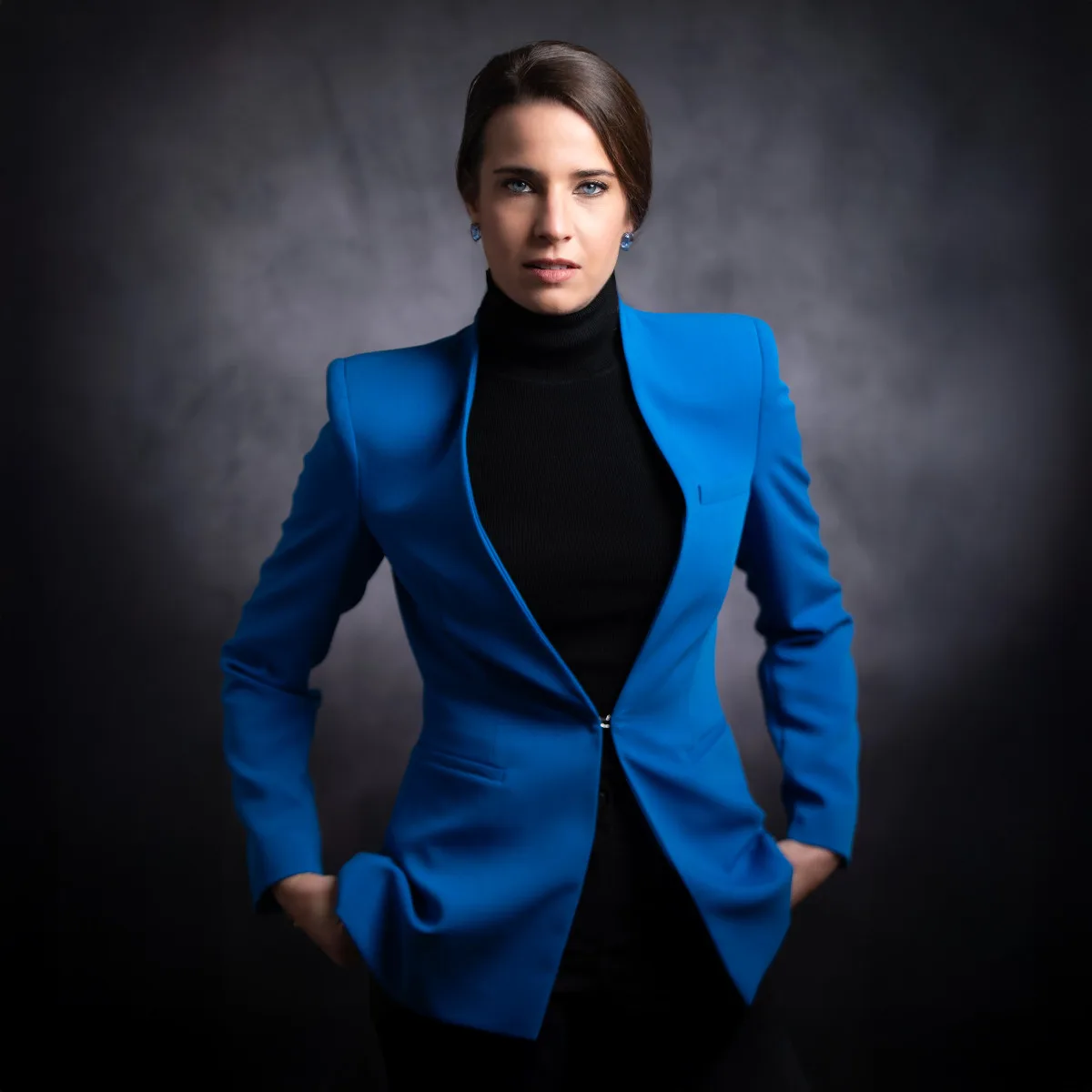
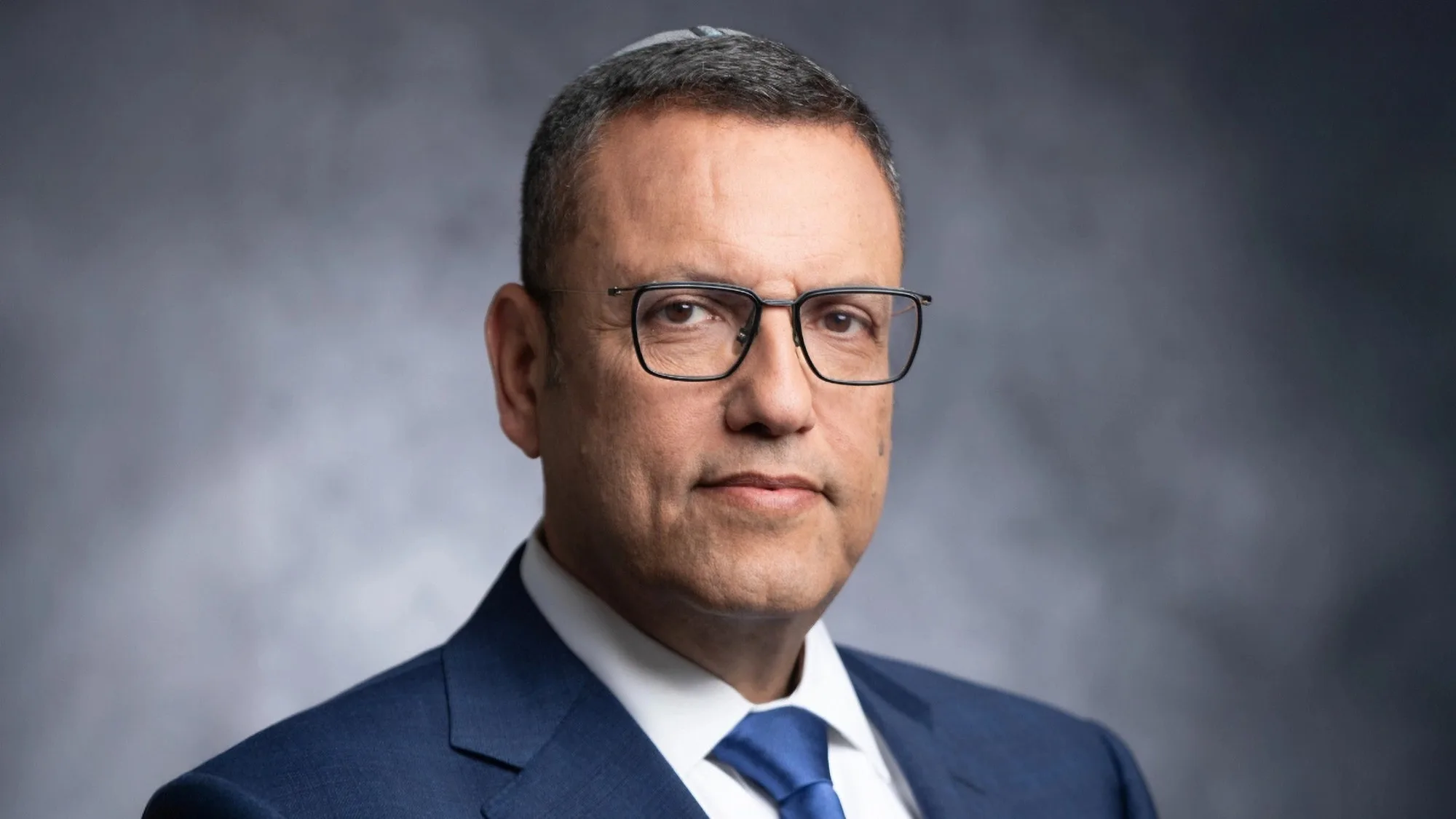
Posture: Standing tall, with a straight back and shoulders drawn back, signals confidence and ease. PetaPixel recommends guiding the subject to be conscious of their back and shoulders before every frame.
Facial expression: A direct gaze into the lens and a light, unforced smile are the elements that make an immediate difference. Research published in Scientific American found that even a subtle smile increases perceived confidence, trust, and approachability.
The full picture of body language
Body language in portrait photography starts with three things: where the hands rest, how the head is held, and the distance from the camera.
Hands that fall naturally at the sides or rest on the knees create a sense of calm. Crossed arms can read as defensive. A head tilted slightly to one side signals attentiveness and openness, while a perfectly upright head, especially paired with a direct gaze, projects strength and authority. Distance from the camera is a tool of its own: a tighter frame creates intimacy and closeness, while more distance adds formality.
Studies published in Psychology Today show that much of how a business portrait is read comes down to nonverbal body language.
Body language by profession
Not every business portrait should look the same.
A lawyer sitting upright with open shoulders projects authority and reliability. A coach or therapist who tilts the head gently to one side conveys attentiveness and approachability. An entrepreneur or tech professional standing at a slight angle, with a direct gaze into the lens, projects confidence and dynamism.
The camera picks up everything, including what you never said out loud.
That's why, before every session, I ask my client one question: "What do you want people to feel when they see you?" That answer is what dictates the body language in the photographs.
For media professionals, journalists, and interviewees, body language matters even more. It conveys a message of control and ease. Polished attire paired with an expression that is composed yet open communicates both professionalism and humanity, a fine balance between authority and approachability, exactly what works for a public audience.
A successful business portrait is not only a matter of aesthetics. It's a strategic tool for delivering a message. Today, most first encounters with a professional happen online, in an environment you can control, and that you should control. Anyone who understands the power of body language in photographs can govern not only how they look, but how they're perceived.
Frequently asked questions
- What's the right body language for a headshot session?
- The right body language depends on the message you want to send. An upright posture with open shoulders signals confidence. A direct gaze into the lens with a gentle smile creates a sense of reliability and approachability. The photographer will guide you precisely, according to your profession and your target audience.
- What should I wear for a headshot session?
- Choose clothing that represents you, not the occasion. A clean garment without busy prints is best, since heavy patterns can pull attention away from your face. I recommend bringing 2 to 3 different sets so we can adjust during the session.
- How do I look good in photos if I don't feel photogenic?
- That's how most people who come to me feel. The secret is in professional direction. I guide you step by step through your facial expressions, body posture, and the angle of your shoulders. A short pre-shoot consultation significantly lowers the tension.
- What's the difference between a studio headshot and an on-location shoot?
- A studio gives full control over lighting and background, ideal for anyone who wants a clean, professional look. A location (an office, a street, a café) adds context and story, ideal for anyone who wants to be shown in their natural environment. During the consultation, we'll decide together what suits you.
- How long does a headshot session last?
- Sessions run 30–120 minutes depending on the package. On-site shoots add about half an hour for setting up the mobile studio and half an hour for teardown. The session is short thanks to precise preparation in advance — never at the expense of quality.
Written by
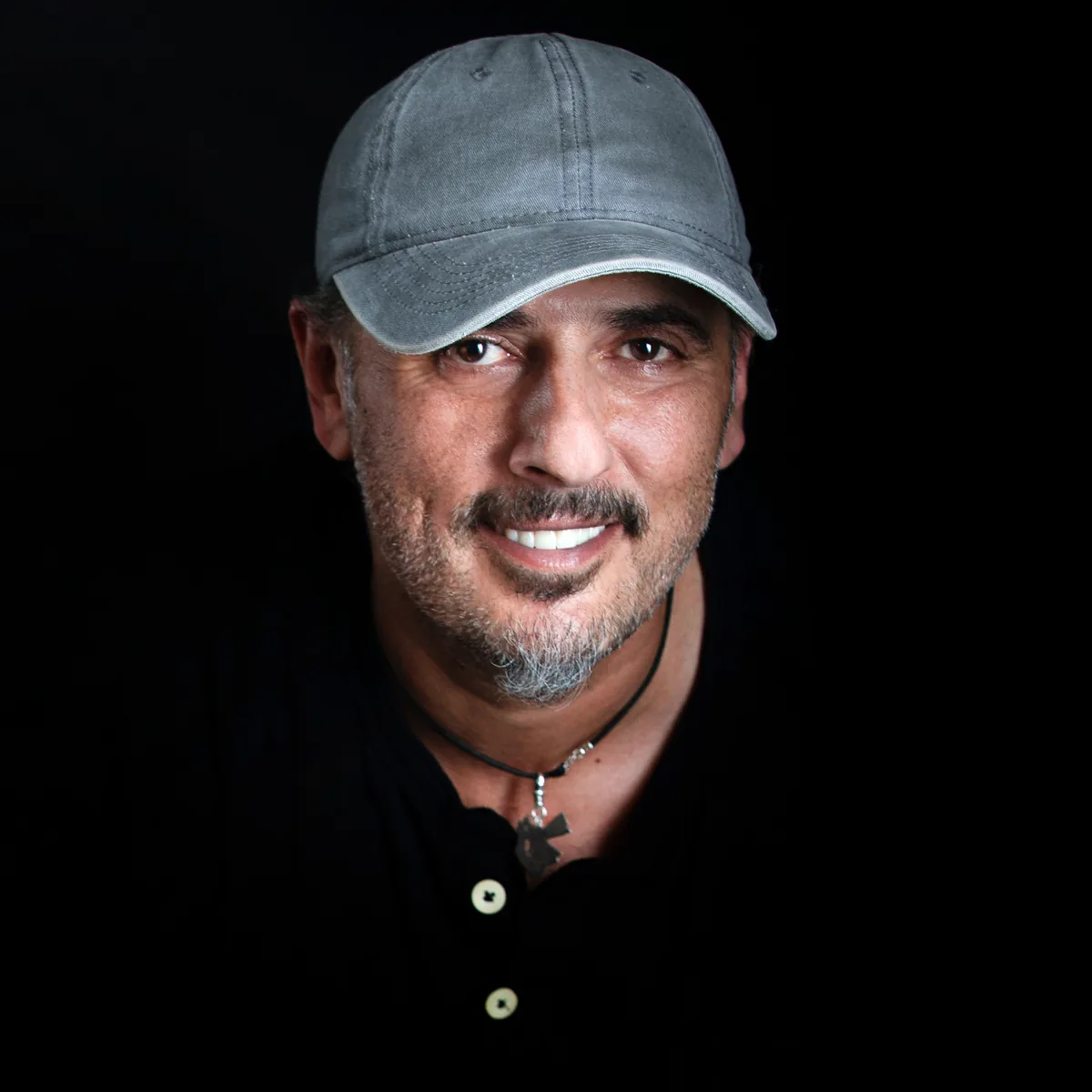
Sharon Gabay
Portrait, headshot & fine-art photographer · author of six photography books
More about Sharon Gabay →Related articles
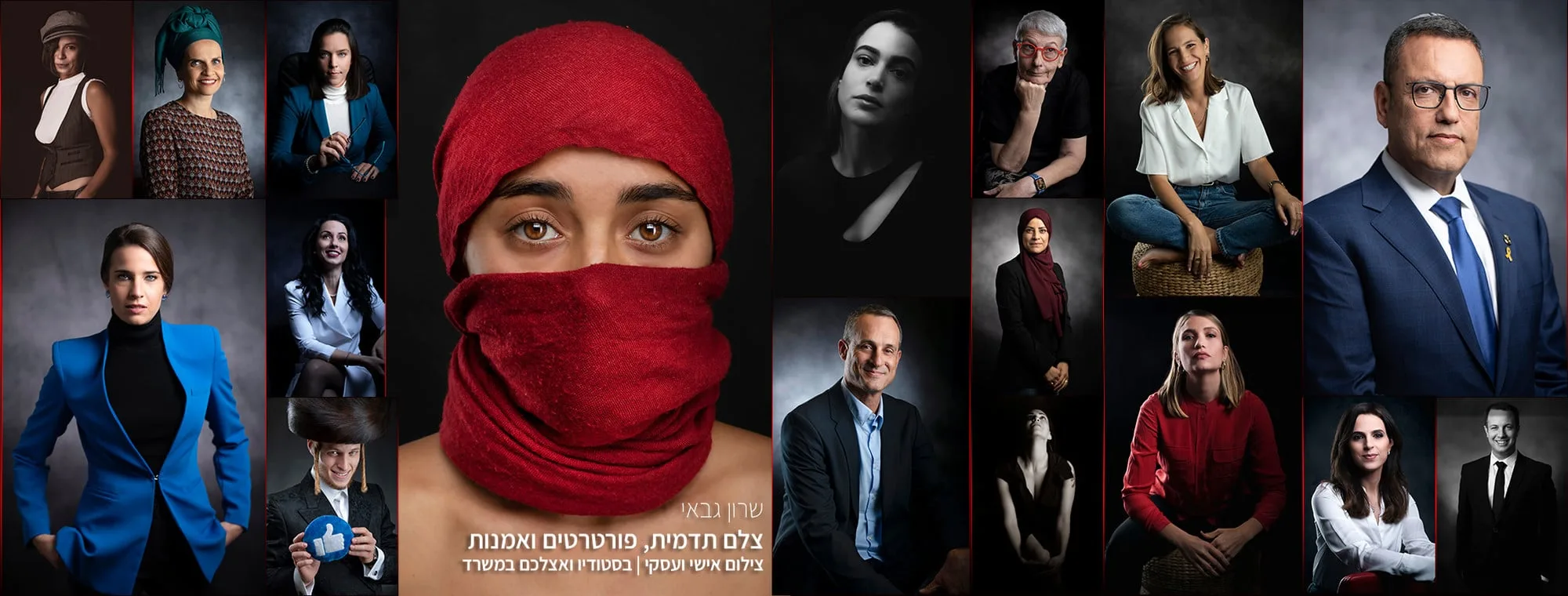
Ready for a photo that works for you?
Tell me what you need and we'll find the right format together. We can shoot in my professional studio, or I'll come to you with a full mobile studio — anywhere in Israel.