
Resume Photo That Wins Interviews
A resume photo that signals professionalism and trust: when to include one, what makes it good, and how one portrait serves both your CV and LinkedIn.
Your resume photo is your first impression — before anyone has read a single word. A recruiter reading a hundred resumes doesn't start with your experience or your education. They start with your eyes. A professional, clean, precise photo says "this person is serious" before they've reached the first line. A cropped photo from a party says exactly the opposite.
In this article I'll explain when it's even worth including a resume photo, what makes it good, and which mistakes disqualify you before the interview.
Do you even put a photo on a resume?
Let's be honest: in Israel this is a real question. Some recruiters prefer a resume without a photo, to reduce unconscious bias — and that's a legitimate approach. On the other hand, there are plenty of roles — sales, service, management, consulting, anything that deals with people — where a professional, approachable face actually opens a door.
The rule I give anyone who's unsure is simple: if you include a photo, make it professional. A mediocre photo is worse than none. It doesn't leave the decision open; it makes the decision for you, against you.
Your photo works even without a resume
And even if you chose not to put a photo on the document itself — it hasn't disappeared. Almost every recruiter will search for you on Google and LinkedIn before the interview. Your profile is your photographed resume, and it's judged at exactly that moment. That's why a professional LinkedIn profile photo matters no less than the photo on the document — sometimes more.
What makes a good resume photo
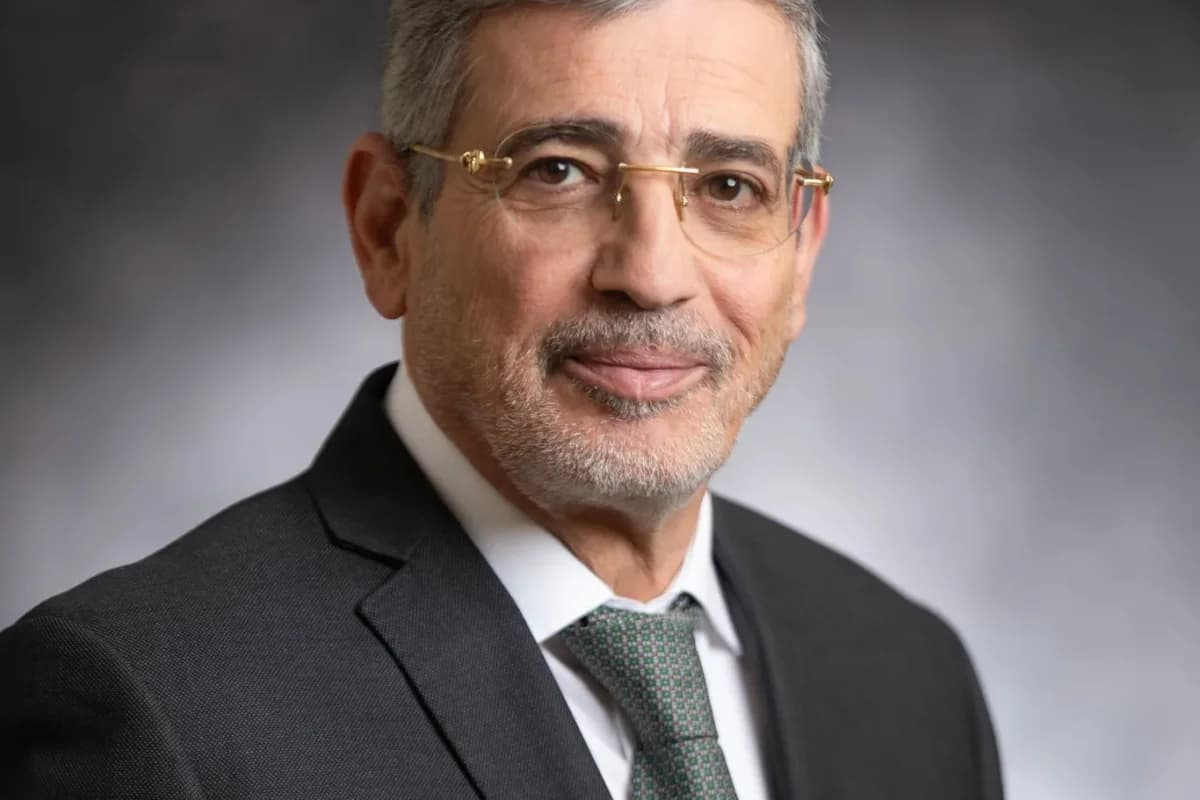
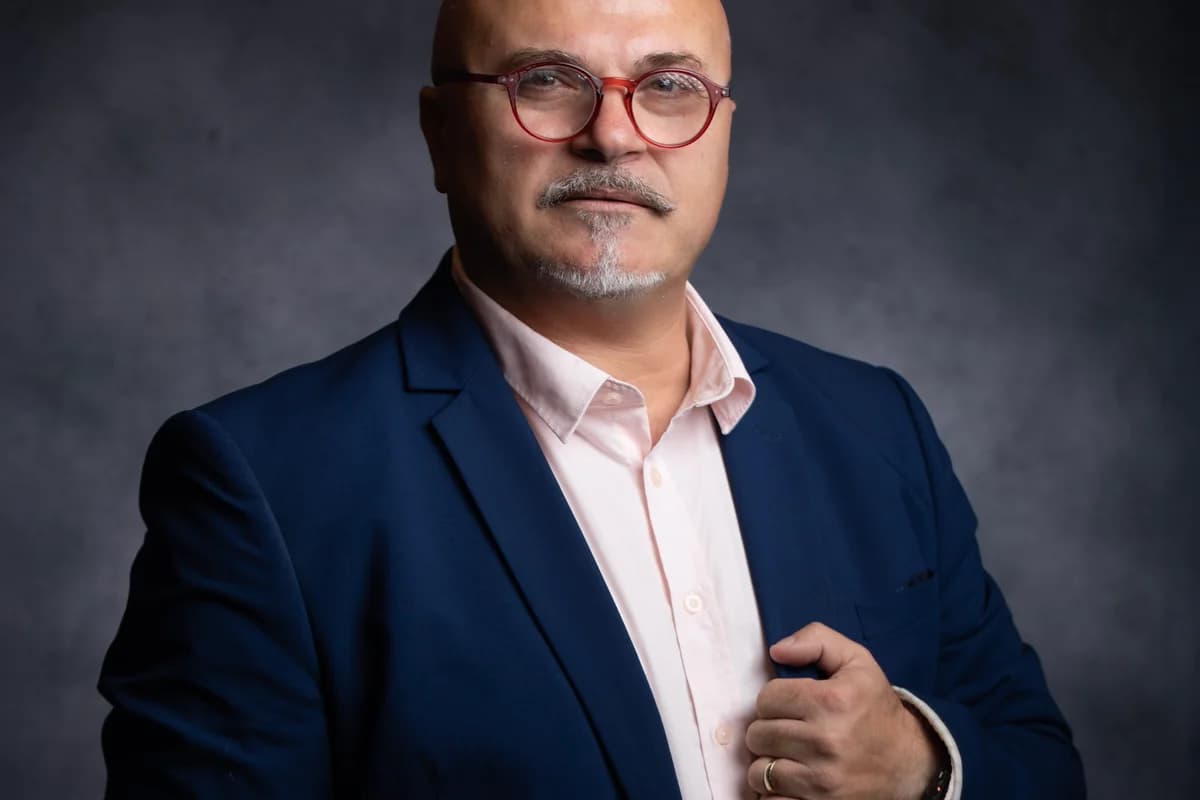
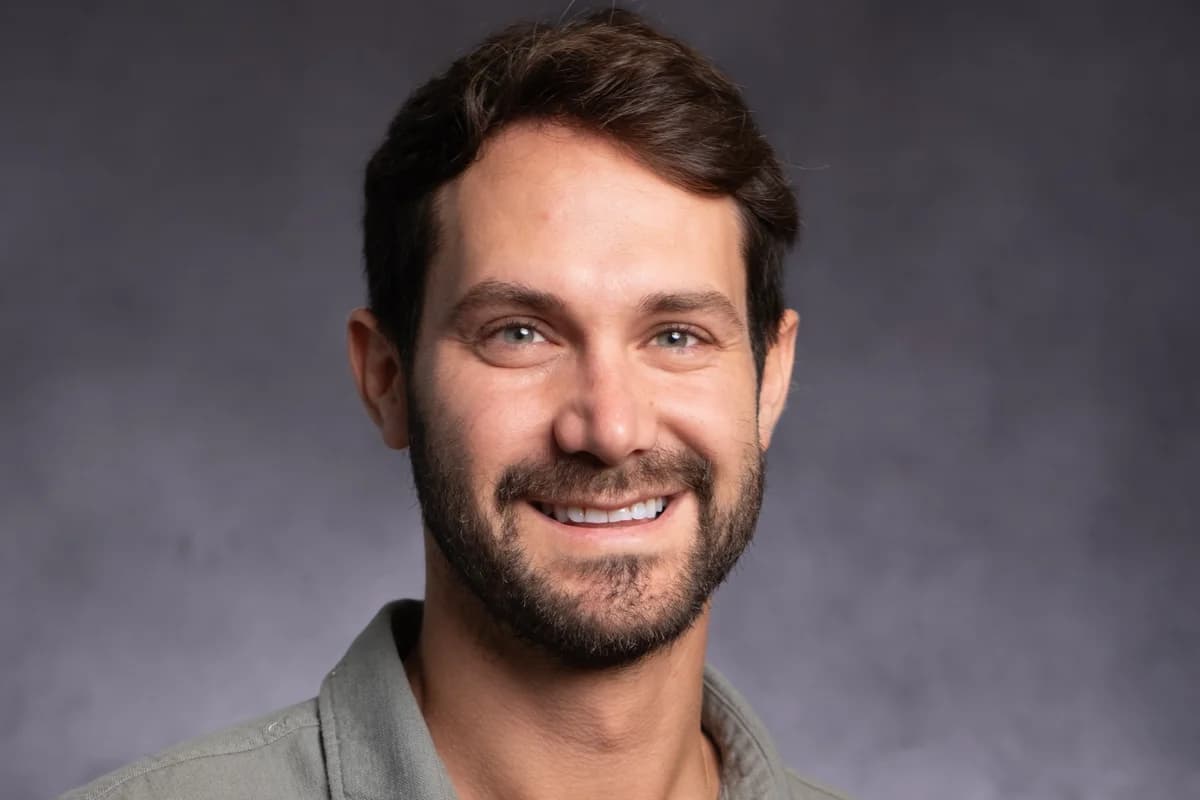
An expression that conveys two things at once. Professionalism alone looks cold; approachability alone looks unserious. The right photo conveys both — someone you can rely on and who is also pleasant to work with.
A clean, neutral background. The face is the center. A busy background steals attention and lowers the sense of seriousness.
Flattering light. This is the difference between a photo that looks like it "was taken in a hallway" and a portrait. I work with precise light, built for each subject individually.
Attire that fits your field. What signals credibility for an accountant differs from what signals innovation for a designer. Your attire should speak the language of the role you're aiming for.
It should look like you — today. A photo from a decade ago creates a gap between expectation and reality, and that's not a good impression to open an interview with.
The mistakes that disqualify you before the interview
Most of what puts a recruiter off could have been avoided. A phone selfie, a photo cropped from an event (with someone else's shoulder in the frame), a blurry shot, or a pose that's too stiff — all of these signal "I didn't bother." These are common mistakes that make a portrait look unprofessional, and they cost you at exactly the point where you most want to impress.
One photo that works everywhere
The good news: you don't need a separate photo for every platform. One professional portrait works on your resume, on LinkedIn, in your email signature and on your website. I shoot in the professional studio, or come to you with a full mobile studio anywhere in Israel — and every subject leaves with a photo that conveys exactly the professional they are. For details and prices — go to the services page.
In summary
A resume photo isn't decoration — it's the first impression that works for you or against you. If you include a photo, make it one that says "serious, professional, and trustworthy" — because in that first split second, that's all there is.

Frequently asked questions
- Do you need a photo on your resume in Israel?
- It's a fair question — some recruiters prefer a resume without a photo to reduce bias. But for roles that deal with people (sales, service, management, communications) a good photo actually helps. The simple rule: if you include a photo, it has to be professional — a mediocre photo is worse than none.
- What kind of photo suits a resume?
- A clean portrait on a neutral background, flattering light, attire that fits your field, and an expression that conveys both professionalism and approachability. Most important — it should look like you today, not like you ten years ago.
- Can I use a selfie or a cropped photo from an event?
- Not recommended. A selfie, a photo cropped from a party, or a phone snapshot signal a lack of seriousness before a single line has been read. A resume photo is a business document — it needs to look like one.
- Does the same photo work for LinkedIn and email too?
- Yes, and that's exactly the point. One professional portrait works on your resume, on LinkedIn, in your email signature and on your website — you don't need a separate photo for each platform.
- How much does a resume photo cost?
- It's a short personal headshot session, and the price depends on the package and the number of photos. The full breakdown is on the services page. Shot in the studio or in a mobile studio that comes to you, across Israel.

Written by
Sharon Gabay
Portrait, headshot & fine-art photographer · author of six photography books
More about Sharon Gabay →Related articles
Ready for a photo that works for you?
Tell me what you need and we'll find the right format together. We can shoot in my professional studio, or I'll come to you with a full mobile studio — anywhere in Israel.