
Headshots for Lawyers
Headshots for lawyers and law firms: how one photo builds trust and authority before the first client meeting. Sharon Gabay, studio or your office.
A client looking for a lawyer doesn't start with a referral — they start with Google. They open a few pages, scan faces, and before reading a single word, they've already decided who looks trustworthy.
Headshots for lawyers aren't a luxury — they're a necessity.
The photo is part of the argument
This isn't intuition. It's science. Studies show that a first impression of a face forms in less than 100 milliseconds. For a lawyer, whose product is credibility, the headshot isn't a small detail — it's part of the argument.
A client looking for legal representation is looking for someone who appears experienced and serious, but not detached. Someone with authority — yet approachable. That balance between "I can rely on him" and "he'll listen to me" is exactly what a professional headshot for lawyers needs to build.
Not every lawyer needs the same photo
One of the things I've learned after 15 years of photographing legal professionals is that there's no single headshot that fits everyone. The visual message has to match the practice area and the target audience.
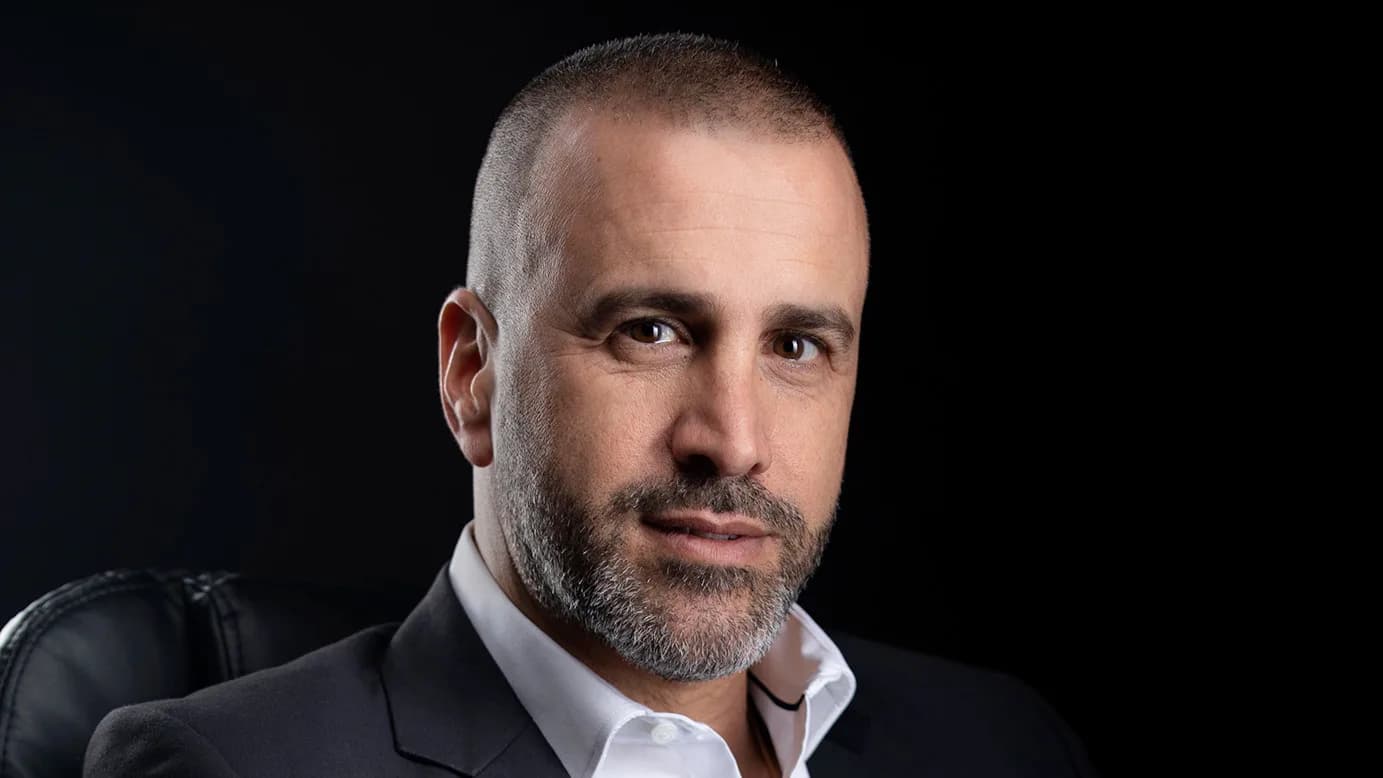
A criminal lawyer needs to convey strength and resolve. Their client is in crisis — they want someone who will fight for them. A photo with a direct gaze, more dramatic lighting, and a dark background will serve them far better than a warm, approachable one.
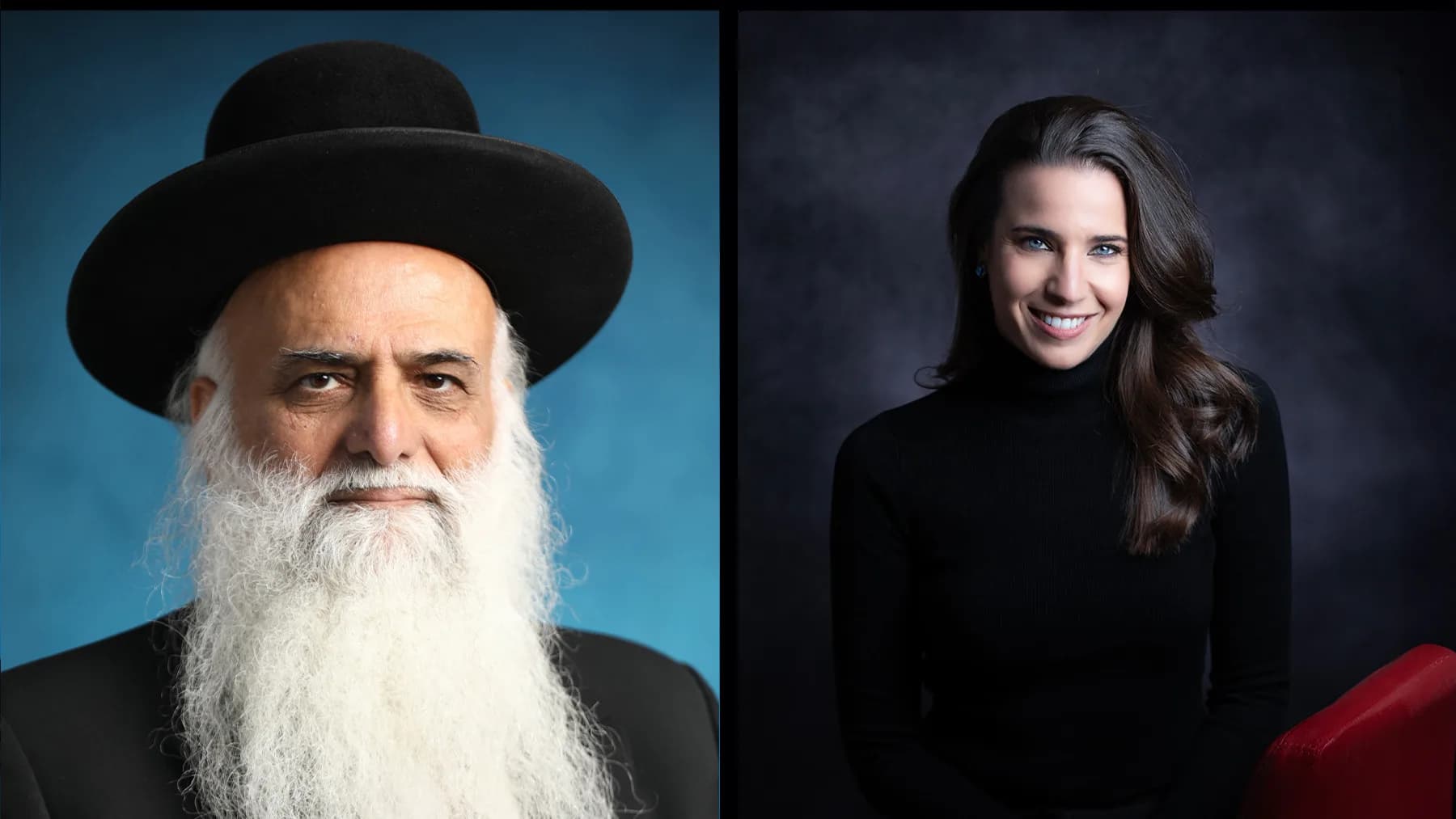
A family lawyer works with people during the hardest hours of their lives — divorce, custody, wills. They need someone who looks attentive, human, and soft. A gentle smile, soft lighting, and a less dramatic background tone make the difference.
A commercial lawyer working with companies and executives needs to convey sharpness and professionalism. A refined suit, a confident posture, and a focused gaze speak directly to their audience.
A real estate lawyer working with private homebuyers needs a mix of approachability and seriousness — less distant than the classic legal figure, but still professional and trustworthy.
The three pillars: lighting, background, and wardrobe
Lawyers have three visual tools that decide the impression:
Classic lighting — soft light with a gentle shadow on the cheek, the Rembrandt technique, creates depth and a sense of professional maturity. Not too dramatic, not too flat. This is the lighting I use for most of the lawyers I photograph — it works almost every time.
Neutral background — dark grey or deep black directs attention to the face and the expression. A white background tends to feel sterile and too distant for the legal field. In the briefing call before the shoot we choose together the background that fits the practice area and audience.
Tailored wardrobe — a dark or light suit depending on the firm's style, a buttoned shirt, and a tie if you like. A criminal lawyer will convey something different from a family lawyer, and that's perfectly fine. I recommend bringing two or three different sets — we'll choose together during the shoot.
Body language — the thing the client doesn't know they're reading
A direct gaze into the camera — not aggressive, but not evasive. It conveys self-confidence and integrity. A client who sees a lawyer looking straight ahead feels they have someone to talk to.
Posture — a straight back, open shoulders, not tense. Hands held naturally — not crossed, not hidden.
Expression — a light, unforced smile. Not frozen, not confused. An expression that says: "I'm here, I'm listening, I know what I'm doing."
Each of these details registers in a split second — and shapes the client's decision whether to call or close the page.
The difference between one photographer and another
A lawyer photographed in a selfie, a graduation photo, or a crop from an event signals that they don't invest in their image. The client thinks: if he doesn't mind the small details here, how will he mind the details of my case?
A professional headshot photographer doesn't just press the button. They guide the expression, build the atmosphere, and bring out the right side of you. That's the difference between a photo that makes people scroll past and a photo that makes people call.
Headshots for a whole firm — in one day
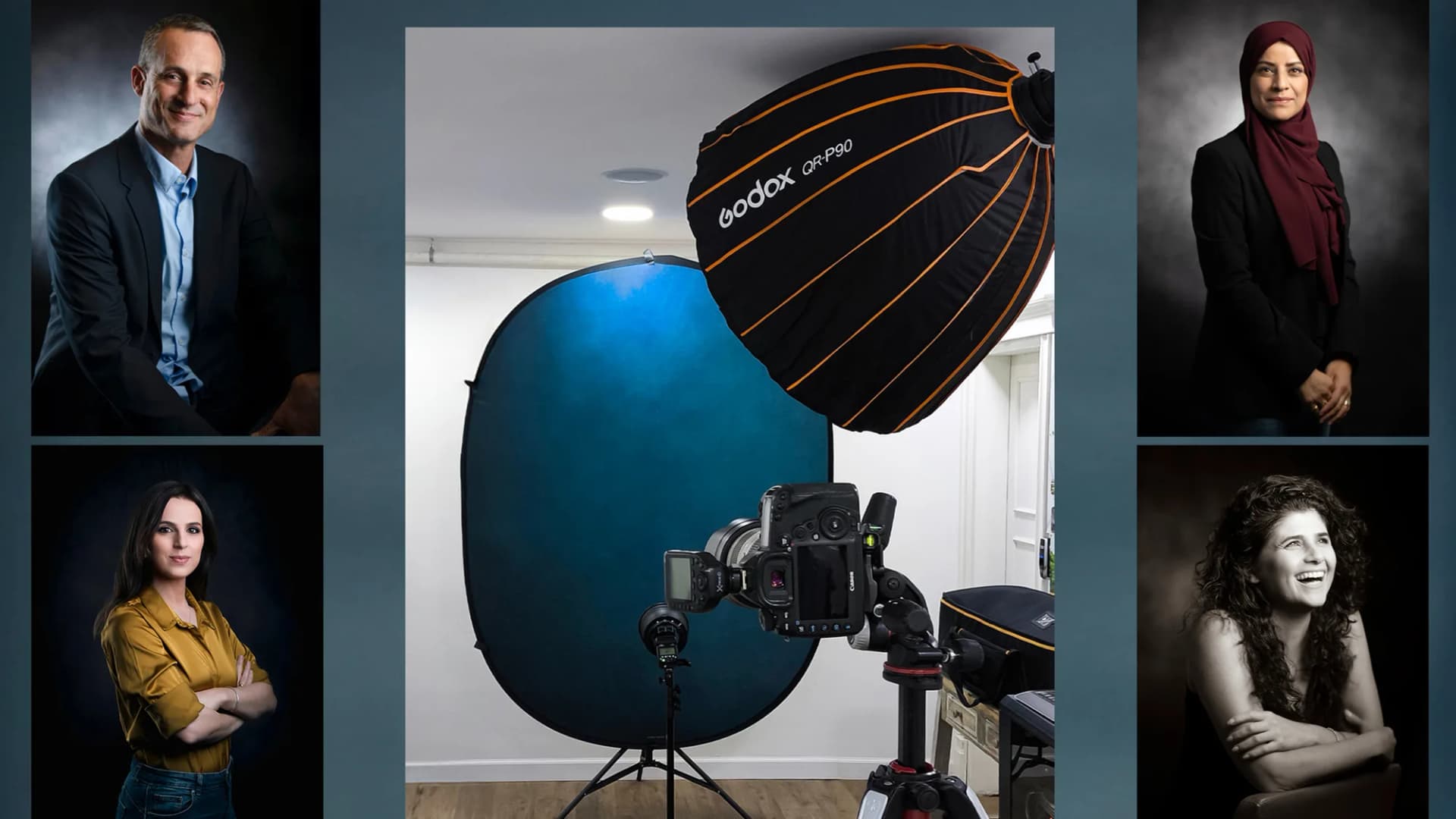
One of my most common services is a concentrated shoot day for a law firm. I arrive with a full mobile studio, set up in the conference room, and photograph partner after partner, lawyer after lawyer. Everyone gets a professional headshot that's consistent with the rest of the team — without anyone leaving the building.
The result: a "Our Team" page on the website that looks cohesive, professional, and credible. It's not just aesthetics — it signals to the client that this law firm is serious about every detail.
Interns — part of the same set
On a concentrated shoot day the interns are photographed in the same visual language as the partners: the same lighting, the same background, the same crop. The only difference is scheduling — interns are usually free during the hours partners spend in hearings or meetings, so I slot them into those windows rather than running one long queue.
There is an operational logic to it too. An intern who later joins the firm as a lawyer does not need a new photo. The existing image moves with them to their new line on the website, and only the caption beneath it changes. A firm that photographs its interns on day one saves itself a round of catch-up sessions every year.
A lawyer who joined after the shoot day
It happens at every firm: six months on, a new lawyer joins and their photo does not sit with the rest. The answer is not to reshoot everyone.
The technical parameters of every shoot day are recorded — light positions and output, the background, the distance from the camera, the focal length and the final crop. A catch-up session rebuilds those exact conditions, at the office or in the studio, and the new photo drops into the team page with nothing marking it as later work. A session like that usually runs under an hour per person. Larger firms tend to let two or three new arrivals accumulate and book one catch-up session, rather than a separate shoot per person.
How an "Our Team" page stays consistent over the years
Firms change. Partners retire, lawyers move on, interns arrive. A consistent team page is not the product of one shoot day; it is a decision kept up over time.
In practice: the original setup is documented and kept, and every new photo is matched to it. Every three to four years, once much of the team's photos have aged anyway, a fresh shoot day resets the whole page together. In between, only catch-up sessions. That way a firm never ends up with a team page assembled from four different styles across three eras. It is also worth keeping the raw files at the firm, so images can be re-cropped for a new site format without another shoot.
When should you update the photo?
If more than three years have passed, if the current photo no longer represents how you look today, if it was shot in poor lighting or on a smartphone — it's time.
An outdated photo doesn't just look unprofessional — it creates a gap between expectation and reality. A client who arrives at a meeting and sees a different person from the one on the website feels something doesn't add up. That's not a good feeling to open a professional relationship with.
Sharon Gabay — headshots for lawyers
For 15 years I've been photographing lawyers, judges, and legal professionals — in the studio across Israel and with a mobile studio at your office, nationwide. I've worked with lawyers from every field — criminal, commercial, family, real estate — and each time the goal is one: a photo that conveys exactly what's needed, before the case is even opened.
To book: WhatsApp 054-2000-300

Frequently asked questions
- What photography style do you recommend for lawyers?
- For lawyers I recommend a photo that conveys authority, credibility and experience. I use classic lighting and neutral backgrounds to ensure a professional, convincing result.
- What should I wear for a lawyer's headshot?
- A dark or light suit depending on the firm's style, a buttoned shirt, and a tie if you like. I recommend bringing two or three different sets — we'll choose together in the briefing call before the shoot.
- How long does a lawyer's headshot session take?
- Sessions run 30–120 minutes depending on the package. For a full team, a concentrated shoot day at your office can cover 30–40 lawyers in a single day.
- Can the whole law firm team be photographed in one day?
- Yes. I arrive at your office with a full mobile studio and photograph the entire team in one concentrated day — with consistent, professional images for everyone.
- Are interns photographed on the shoot day as well?
- Yes, and in the same visual language as the partners and lawyers — the same lighting, background and crop. An intern who finishes their internship and joins the firm as a lawyer keeps the same photo; only the caption beneath it changes.
- A new lawyer joined after the shoot day — what now?
- A catch-up session that rebuilds the same conditions: light positions, background, distance from the camera and crop. The parameters of every shoot day are recorded for exactly this, so the new photo blends into the team page with no visible difference.
- How do you keep a team page consistent over the years?
- The original setup is documented and every new photo is matched to it. Every three to four years a shoot day refreshes the whole page together, and in between only catch-up sessions for new arrivals.
- What is the difference between a lawyer's headshot and a regular photo?
- The emphasis is on authority, credibility, and seriousness, matched to the practice area and target audience. A criminal lawyer doesn't need the same photo as a family lawyer — each field calls for a different visual message.
- When should a lawyer update their headshot?
- Every three to four years, or whenever there's a significant change in appearance. An outdated photo creates a gap between expectation and reality — and a client who arrives at a meeting and sees a different person from the one on the website doesn't start off on the right foot.

Written by
Sharon Gabay
Portrait, headshot & fine-art photographer · author of six photography books
More about Sharon Gabay →Related articles
Ready for a photo that works for you?
Tell me what you need and we'll find the right format together. We can shoot in my professional studio, or I'll come to you with a full mobile studio — anywhere in Israel.